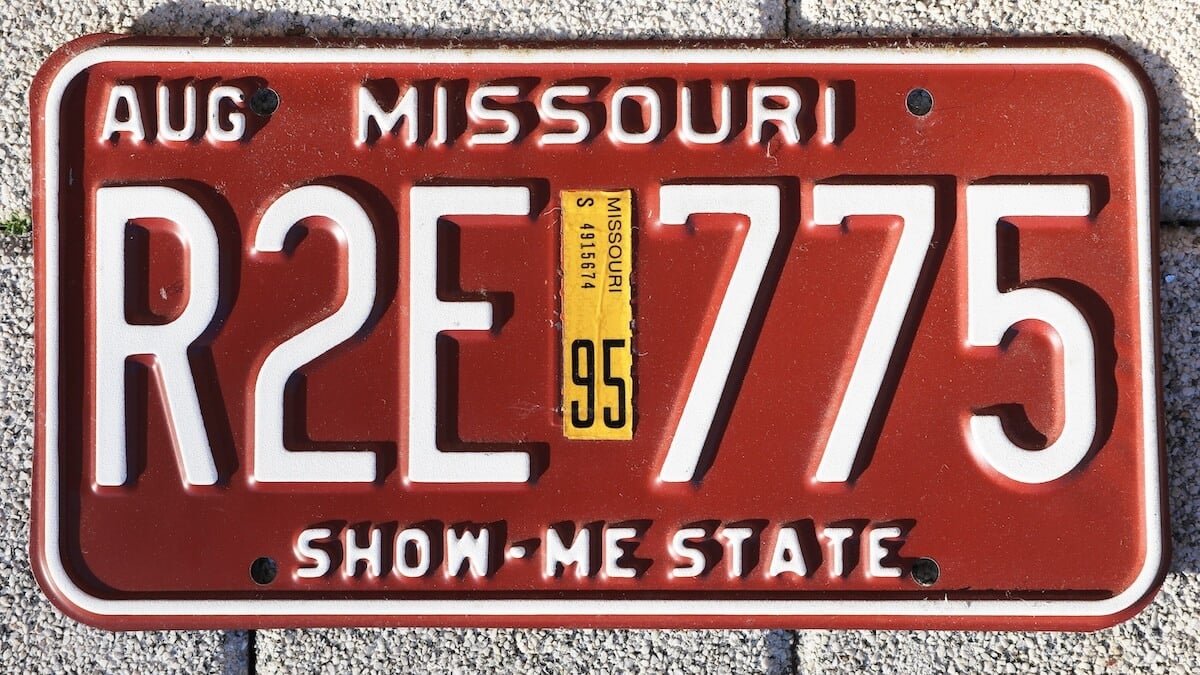
Missouri is the latest state to order prediction markets to stop offering sports event contracts, and Attorney General Catherine Hanaway already expects her enforcement campaign to end in court.
Hanaway’s office announced Friday that it issued six cease-and-desist letters this week to:
- Crypto.com
- Kalshi
- Nova
- Polymarket
- Robinhood
- Underdog
Hanaway argues sports event contracts amount to unlicensed sports wagering under Missouri law. The letters direct the prediction markets to stop offering sports contracts to Missouri customers unless they obtain licenses from the Missouri Gaming Commission (MGC).
“Missourians voted for a safe, well-regulated sports wagering market that supports public education and addresses problem gambling,” Hanaway said in the release. “Companies cannot repackage sports bets as ‘event contracts’ to avoid Missouri law.”
The orders bring Missouri into the expanding state-by-state fight over prediction markets.
Missouri sports betting argument
Hanaway framed the issue around the sports wagering system Missouri voters approved in 2024.
Missouri began legal mobile sports betting in December 2025. Licensed operators must comply with MGC rules, pay a 10% tax on adjusted gross revenue and limit sports wagering to customers at least 21 years old. The attorney general’s office argues that the prediction markets offer the same underlying product without the licensing, taxation, age verification and responsible gaming requirements that apply to sportsbook operators.
“Any company that wants to offer sports wagering in Missouri must be licensed by the Missouri Gaming Commission, pay the required taxes and fees, and ensure no one under 21 can place a bet,” Hanaway said.
The release noted several recent Circuit Court of Appeals rulings that sports event contracts do not qualify as swaps under the Commodity Exchange Act (CEA).
Show-Me State expects pushback from operators
The state is allowing operators to comply, but Hanaway does not appear to expect the dispute to end with the cease-and-desist letters. The letters said Missouri will take legal action against the prediction markets if they do not comply.
Hanaway told KFVS 12 Thursday that she hopes the platforms will reach an arrangement that subjects their sports products to Missouri gaming law and taxation. She also acknowledged that the companies might instead sue Missouri, as operators have done to challenge other state regulatory actions.
“Chances are they may sue us once they get this cease-and-desist letter,” Hanaway told the station.
Kalshi and other operators argue that event contracts listed on Commodity Futures Trading Commission-regulated exchanges fall under the CEA and sit within the CFTC’s exclusive jurisdiction.
State officials counter that sports contracts are bets in substance and can be regulated as gambling, particularly when they look and function like sportsbook markets.
Prediction markets landscape beyond Missouri
Missouri did not join a larger coalition of attorneys general that sent a letter about prediction markets to the CFTC in July. Ohio Attorney General Andy Wilson led the group of 44 states that argue the CFTC does not have jurisdiction to regulate sports event contracts.
Missouri’s action shows how quickly the legal fight has broadened beyond the states that formally intervened in existing litigation.
The Ninth Circuit Court of Appeals has now dealt Kalshi two recent setbacks:
- In late August, the court ruled that Kalshi’s sports event contracts were likely not swaps under the CEA, allowing Nevada to pursue enforcement under its gaming laws.
- This week, the court ruled that California tribes were likely to succeed in arguing that the contracts are Class III gaming under the Indian Gaming Regulatory Act when offered to users on tribal lands. It also held that CFTC authority over a designated contract market does not displace IGRA’s separate framework governing gaming on Indian lands.
The national map remains divided on the prediction markets issue and is likely setting up for a visit to the U.S. Supreme Court.
The Third Circuit ruled in April that the CEA likely preempts New Jersey’s effort to regulate Kalshi’s sports markets. New Jersey has petitioned the Supreme Court to resolve that split.
Robinhood and Crypto.com have also asked the Court to weigh in.
Want to find out more about prediction markets? The Global Prediction Market Forum is being held in Lisbon on Oct. 1. Visit https://sbcevents.com/global-prediction-markets-forum/ for more details.