KEY TAKEAWAYS
- Democratic control of Congress puts prediction markets, the CFTC and the Trump family’s industry ties in line for hearings and subpoenas.
- New Democratic attorneys general in Texas and Georgia could join the 39-state coalition fighting sports event contracts, or sue on their own.
- A Georgia case could pull the Eleventh Circuit into the preemption fight, with consequences for Florida and the Seminole Tribe’s sports betting exclusivity.
Prediction markets eventually forecasted Election Day mostly right as traders pushed past $2.5bn in midterm wagers on Kalshi alone.
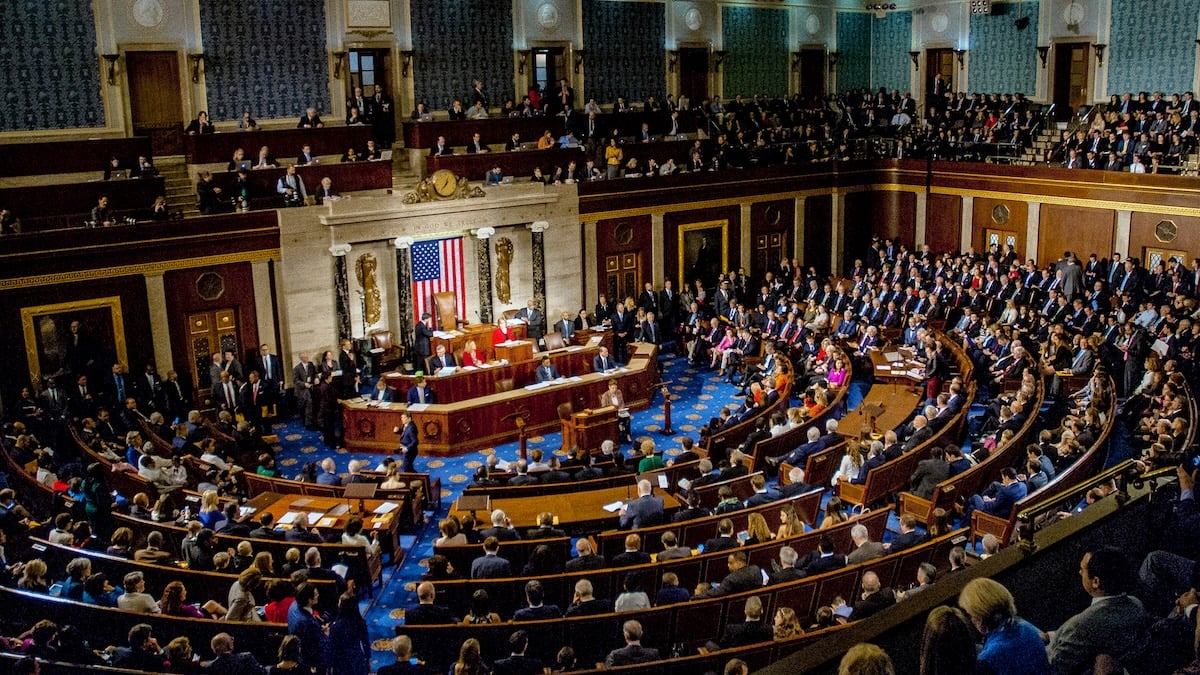
Yet with Democrats overwhelmingly retaking both chambers of Congress, the same results that backed up those forecasts might also set up their toughest stretch yet in Washington, D.C., and in state capitals.
“Prediction markets weren’t on any ballots last night and I think they were stunningly accurate about the majority of races, but if I were a senior executive at any of those businesses, I’d wait on popping the champagne cork,” said Ronnie Jones, former chair of the Louisiana Gaming Control Board. “There was already support at the federal legislative level to take a closer look at their operations and with the increase in Democratic representation come January, that heat may be turned up.”
The scrutiny is unlikely to stop at event contracts. Corridor Consulting founder John Pappas said the regulated sports betting industry should expect it too.
“Certainly at the federal level, we’ll see a lot more scrutiny on the prediction markets industry but also the regulated sports betting industry,” Pappas said. “Some of the most vocal critics of sports betting in the U.S. have been Democrats in both the Senate and House, and they’ll have a larger platform to express their concern.”
The base for that increased scrutiny already exists. In September, Sen. Richard Blumenthal and Rep. Paul Tonko launched a gambling reform initiative that calls for investigative hearings and federal minimum safety standards for prediction markets.
Separately, Blumenthal’s Prediction Markets Security and Integrity Act would restore state authority over event contracts. It would also require sports betting states to meet federal standards on advertising, affordability and artificial intelligence, the same approach behind the pair’s long-running SAFE Bet Act.
Prediction markets face Democrats with subpoena power, oversight leverage
The Republican-led Congress already held prediction market hearings. Democratic gavels, though, will likely change the tone of those hearings.
In April, House Agriculture Committee members questioned Commodity Futures Trading Commission (CFTC) Chair Michael Selig on insider trading and on whether sports event contracts differ from sports bets. In July, a House Agriculture subcommittee heard former CFTC counsels call the agency’s order directing Kalshi to defy a Michigan court ruling “extraordinary.”
The Senate Commerce Subcommittee on Consumer Protection, Technology and Data Privacy held a hearing in May that revolved mostly around prediction markets. In August, tribal leaders urged the Senate Committee on Indian Affairs to ban sports and casino-style contracts.
Now, Sen. Elizabeth Warren (D-MA), a prediction markets skeptic, is likely to chair the Senate Banking Committee and is widely expected to expand CFTC oversight. Rep. Robert Garcia (D-CA) is in line to chair the House Oversight Committee.
Could Congress change the CFTC?
Former CFTC special counsel David Aron told CNBC in October that if Democrats won, committees overseeing the agency will “call them in, demand answers,” adding, “That will not be fun.”
Josh Kirschner, a partner and deputy leader of Holland & Knight‘s gaming team, said the CFTC itself is unlikely to change quickly. Selig serves as the sole member of what is intended to be a five-person commission, and Democrats have little or no power to remove him and limited ability to force more commissioner nominations. They could attach conditions to CFTC funding that bar the agency from intervening in state litigation, though Kirschner doubts anyone wants to go that far.
The bigger shift, Kirschner said, comes from how bipartisan the issue already is. Nearly 30 prediction market bills have been introduced since 2025, but none have passed. The Senate unanimously approved a resolution in April barring its members and staff from trading on prediction markets.
House Administration Chair Bryan Steil, a Wisconsin Republican, followed with the Stop Lawmakers From Predicting Act. Sen. Ted Cruz (R-TX) plans to file a bill after the midterms that would require state or tribal authorization before exchanges offer sports contracts.
Trump prediction markets ties magnified
Kirschner expects movement on bills that tighten limits on trading by elected officials and staff. He noted that the last time Democrats held similar numbers, they passed the Dodd-Frank Act in 2010 to increase financial accountability and transparency, and they could push for something comparable again.
He expects investigators to look at Donald Trump Jr.‘s ties to prediction markets and at trading by military and adjacent personnel on war, terrorism and foreign events.
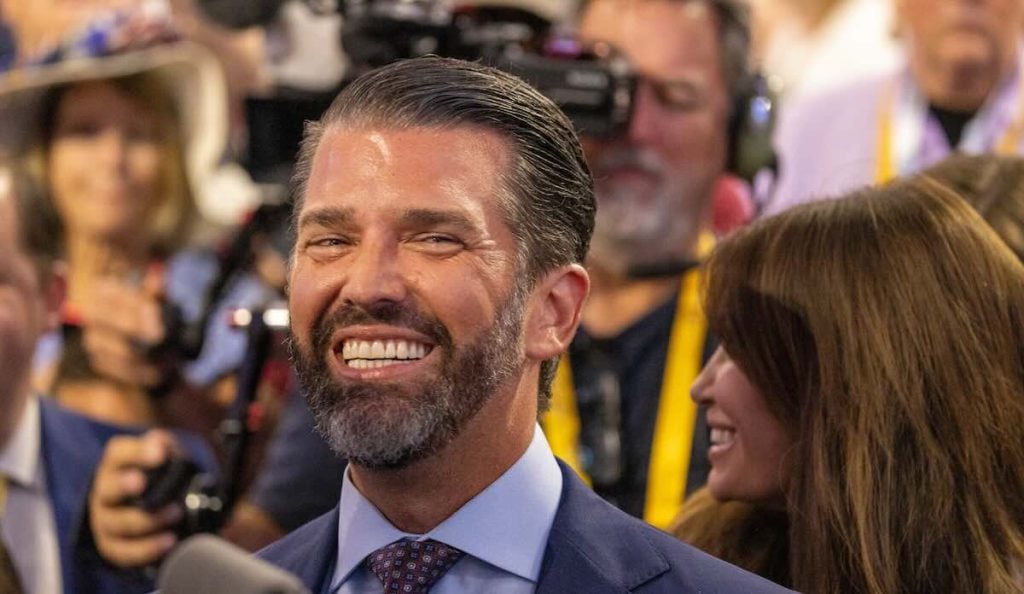
“Inquiries and subpoenas are coming,” Kirschner said.
Trump Jr. has been a paid Kalshi adviser since January 2025 and sits on Polymarket‘s advisory board. His firm, 1789 Capital, is investing $300m into a Polymarket round that values the company at $21bn. The New York Times reported that he urged Republican state attorneys general not to sue prediction markets.
“The fact that the family of the current President is intertwined in the prediction markets is disturbing most notably because it is also that same president who appoints the ‘regulators’ of the industry,” Jones said.
New attorneys general could reshape state fight
The more immediate threat might come from states. New Jersey asked the U.S. Supreme Court in September to settle whether prediction markets must follow state sports gambling laws. Ohio, 38 other states and the District of Columbia filed an amicus brief supporting the petition. Among the state attorneys general who did not sign on are:
Two of those three states now have new attorneys general. Democrat Nathan Johnson won the Texas attorney general race, replacing an office that, under incumbent Ken Paxton, went after gambling but stayed hands-off on Kalshi.
In Georgia, Democrat Tanya Miller defeated Republican Brian Strickland to succeed Chris Carr. Georgia officials had taken no public action on prediction markets.
Neither Johnson nor Miller has announced plans to pursue prediction markets. Kirschner said it is likely the new attorneys general will sign on to the multistate letters and amicus briefs, if not go after the platforms outright.
Texas casino interests would welcome that.
“That is an area (Tilman Fertitta) and (Miriam Adelson) are well-aligned with the new state electeds,” Kirschner said.
A Georgia enforcement action could bring the Eleventh Circuit Court of Appeals into the preemption dispute, and that court’s rulings also bind federal courts in Florida and Alabama.
Florida has stayed on the sidelines. Attorney General James Uthmeier named prediction markets among products that raise questions about compliance with the 2021 Seminole compact but has taken no enforcement action. Kalshi gave $50,000 to his political committee last year.
The Seminole Tribe, whose Hard Rock Bet holds exclusive online sports betting rights through 2051, sued DraftKings in state court in October over its prediction market sports contracts.
Supreme Court remains the final word
Federal appeals courts are already split:
- The Third Circuit sided with Kalshi in New Jersey.
- The Sixth and Ninth Circuits ruled that states may regulate contracts that function as gambling.
More state cases mean more circuits and more chances for conflicting rulings, which strengthens the case for Supreme Court review. Jones made clear which side he expects to win.
“Full disclosure here: I’m a former regulator, and I believe putting a blonde wig and bright red lipstick on ‘swaps’ does not ‘remake’ them as something other than bets,” Jones said. “Call it what you will but it is sports betting at the end of the day and should be subject to state regulation.
“We all know that the Supreme Court will ultimately have to straighten this mess out, but we also know the current political environment complicates the issue. Hopefully the Supremes will provide clarity sooner rather than later.”