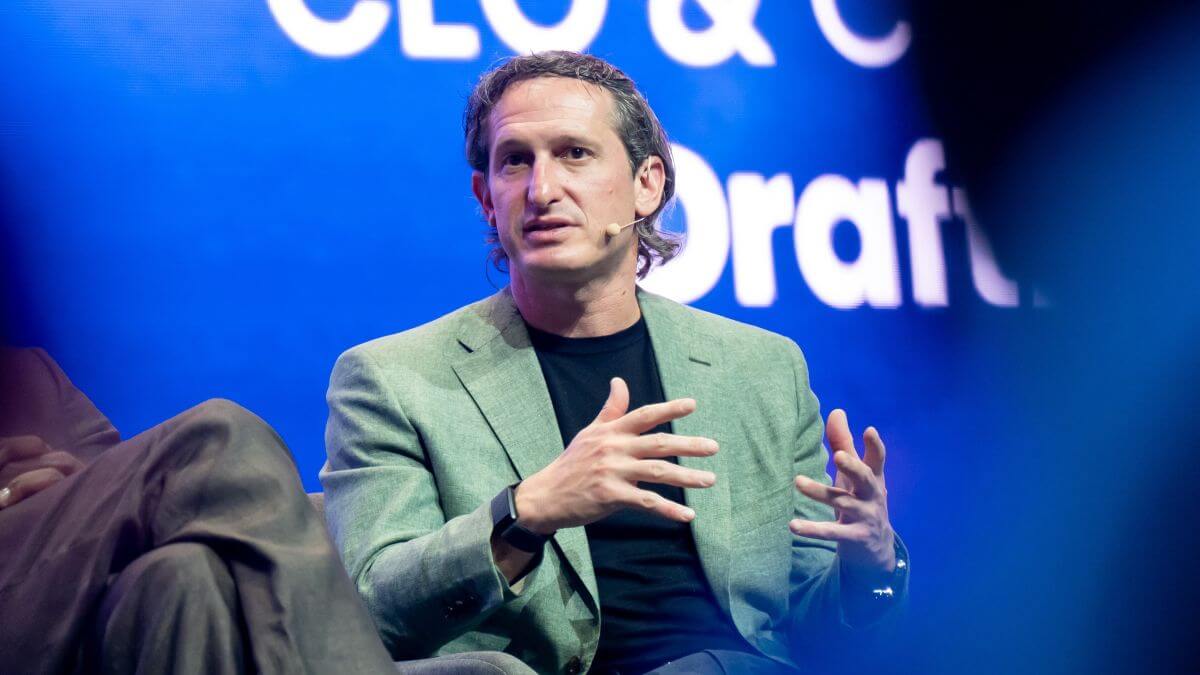
The Seminole Tribe sued DraftKings and CEO Jason Robins in state court on Thursday, accusing the company of operating an illegal sports betting business in Florida and targeting state residents with marketing.
In a 72-page complaint filed in Broward County Circuit Court on Oct. 8, the federally recognized tribe named both DraftKings Inc. and GUS III LLC (the legal business name of DraftKings Predictions) as defendants, along with Robins. The suit alleges that the companies’ sports prediction markets and the Pick6 fantasy product are tantamount to sports wagering, in violation of state laws and the Indian Gaming Regulatory Act (IGRA).
The Seminole Tribe has a tribal-state gaming compact that gives it exclusive authority to offer online sports wagering in Florida. Hard Rock Bet, owned by the tribe, is the only online sports betting platform authorized by Florida law.
“Florida has decided that legal sports betting should be conducted through a single, accountable, trustworthy, and heavily regulated operator, and it selected the Tribe, not DraftKings, as the steward of its policy,” the lawsuit states.
DraftKings ‘super app’ violates state laws, says Seminole
The complaint makes repeated reference to the fact that DraftKings now combines its various products in one “super app” nationwide, with different products available to users in different states. Where the operator is a licensed online sportsbook and/or casino, it offers those verticals. However, in most states where it does not have a license from a gaming regulator, it offers sports prediction markets instead.
The Seminole Tribe claims that the app offers an “illegal sportsbook” that violates state law and the tribe’s compact, and deprives Florida of revenue and regulatory oversight.
Noting that the app offers markets that resemble wagering categories including moneylines, points totals and spreads, parlay-style combos, and player props, the plaintiffs pointed to public comments made by Robins in recent months, including:
- Describing DraftKings Predictions’ sports event contracts as functionally similar to its state-licensed sports betting offering
- Confirming the plan to gear the product towards states where it cannot offer sports betting
- Tailoring marketing to states like Florida that have not authorized a DraftKings sports product
“In deciding where to launch its Illegal Sports Gambling Offerings around the country, Robins specifically directed DraftKings to focus on ‘states that do not have legal online sports betting,'” reads a line in the lawsuit. “Of course, Florida does have legal, regulated online sports betting; Defendants are simply not entitled to offer a sportsbook under Florida law.”
The Seminole Tribe noted comments from Robins last year that DraftKings would not offer its sports prediction markets in states where it holds an operator’s license in a bid to ensure that it does not jeopardize its relationships with state regulators.
“Defendants, by contrast, have no issue undermining the Compact and Florida law,” states the lawsuit.
DraftKings confident Florida products are legal
SBC Americas reached out to DraftKings for comment, and the company stated its confidence that its Florida sports products are legal.
“DraftKings’ prediction markets offering operates in accordance with applicable law and the federal regulatory framework established under the Commodity Exchange Act,” said Senior Director of Communications Stephen Miraglia in an emailed statement. “Furthermore, DraftKings Pick6 is a peer-to-peer fantasy sports variant centered on a simple ‘more or less’ mechanic tied to individual athlete performance metrics and is not sports betting.”
“While the company has deep respect for Seminole Tribe’s sovereignty, we remain confident in our legal position.”
While DraftKings offers sports event contracts in Florida, its website states that it does not allow trading on tribal lands in any state.
Seminole lawsuit spotlights DraftKings nationwide advertising
The Seminole Tribe’s lawsuit also highlights that the operator markets itself as a sports product available nationwide and seemingly targeted Florida specifically.
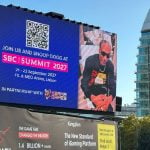
It notes that the company touted in an advertising campaign that “DraftKings Sports” is “Now Live in Florida!” and that it directed similar advertising towards other states like California and Texas in which it cannot offer regulated sports betting.
The complaint includes numerous visual examples of marketing campaigns, billboards, and TV commercials using similar messaging that the operator aired or disseminated in Florida, including the one below:
“Defendants openly advertise that they offer a sportsbook throughout Florida. But they hide from the public that their sportsbook is illegal,” adds the complaint.
“… Ever since the release of its illegal Super App sportsbook, DraftKings has blanketed the State with ads calculated to dupe consumers into believing that its gambling operations are legal and regulated.”
Seminole Tribe accuses DraftKings of funding anti-compact lawsuits
The Seminole Tribe also referenced past attempts by DraftKings to change the state of play in Florida.
The lawsuit states that the company “tried to buy itself legal access” to the Florida market by spending more than $20m on an election ballot initiative to open up the sports betting market in the state. That effort, launched in 2021 in collaboration with FanDuel under the name “Florida Education Champions“, was ultimately unsuccessful, as the gaming giants failed to qualify for the ballot. The Seminole Tribe decried the initiative at the time as “a political Hail Mary.”
In the new lawsuit, the tribe also claims that after that failed effort, DraftKings “secretly funded” multiple lawsuits with the intention of destabilizing the tribal-state gaming compact, including the West Flagler case that the Supreme Court ultimately declined to review in 2024.
“Despite Defendants’ efforts, Florida’s gambling laws, and the Compact that gives the Tribe exclusive rights, remain in full force and effect,” adds the court filing. “Having failed to change Florida law through the ballot box and the courts, DraftKings — acting at the direction and under the control of Defendant Jason Robins — has now pivoted to proceeding as though the law, the Compact, and the Tribe’s exclusive rights simply do not exist.”
What does Seminole Tribe want Florida court to do in DraftKings case?
The lawsuit alleges that DraftKings commits various violations of laws, including:
- IGRA
- Florida’s gaming statutes
- The state Racketeer Influenced and Corrupt Organization (RICO) Act
- The Florida Deceptive and Unfair Trade Practices Act
- State common-law unfair competition rules
The tribe asked the court for several items, including:
- A declaratory judgment that Pick6 and sports on the Super App constitute illegal gambling under Florida law
- An injunction against the defendants and DraftKings at large that would prevent the company from operating or marketing “sports wagering” products in Florida
- Disgorgement of all gains DraftKings and Robins derived from Florida operations
“The Court should not permit Robins and DraftKings’ illegal conduct to continue,” adding the tribe. “Instead, it should shut down Defendants’ Illegal Sports Gambling Offerings in Florida and order disgorgement of the unlawful profits that Defendants have reaped.”
The lawsuit said the tribe would use the proceeds of DraftKings’ “ill-gotten gains” to fund consumer protection initiatives and problem-gambling recovery programs.
Florida AG looks to enforce Seminole exclusivity
The Seminole Tribe filed the lawsuit amid recent efforts by the Florida government to chase out other gaming operators that it believes are violating state gaming laws and the tribe’s exclusivity. In August, Attorney General James Uthmeier announced state-court lawsuits against Stake and VGW that target the operators’ sweepstakes operations, as well as going after affiliated payment processors that work with the companies.
A few weeks later, he sent letters to tech giants Google, Meta, Reddit, Snap, and TikTok to urge them to stop promoting sweeps platforms in the state.
State gaming regulators previously targeted daily fantasy sports operators, sending cease-and-desist letters to PrizePicks, Underdog, and Betr in 2023. All three of those operators have since branched out into prediction markets.
Legislators also made efforts to further cement the Seminole’s gaming authority in recent years. A bill introduced for consideration this year would have made operating, conducting, or promoting any kind of internet gambling a third-degree felony, with a carve-out for gaming activities conducted under the Seminole’s state tribal gaming compact. The proposal died in committee in March.
Multiple similar efforts in the 2025 legislative session ultimately failed to pass.