
A U.S. Senate subcommittee held a highly anticipated hearing Wednesday to discuss the impact of legal sports betting, though much of the discussion turned to the rise of prediction markets in the space.
The Senate Commerce Subcommittee on Consumer Protection, Technology, and Data Privacy held the hearing to address the impact of sports wagering on America’s amateur and professional sports landscape. The hearing lasted more than two hours, with regulated gaming interests and prediction market proponents facing off via interaction with senators.
The subcommittee discussed the impact of sports betting and prediction markets on the integrity of competition as several major sports leagues and organizations deal with gambling-related issues.
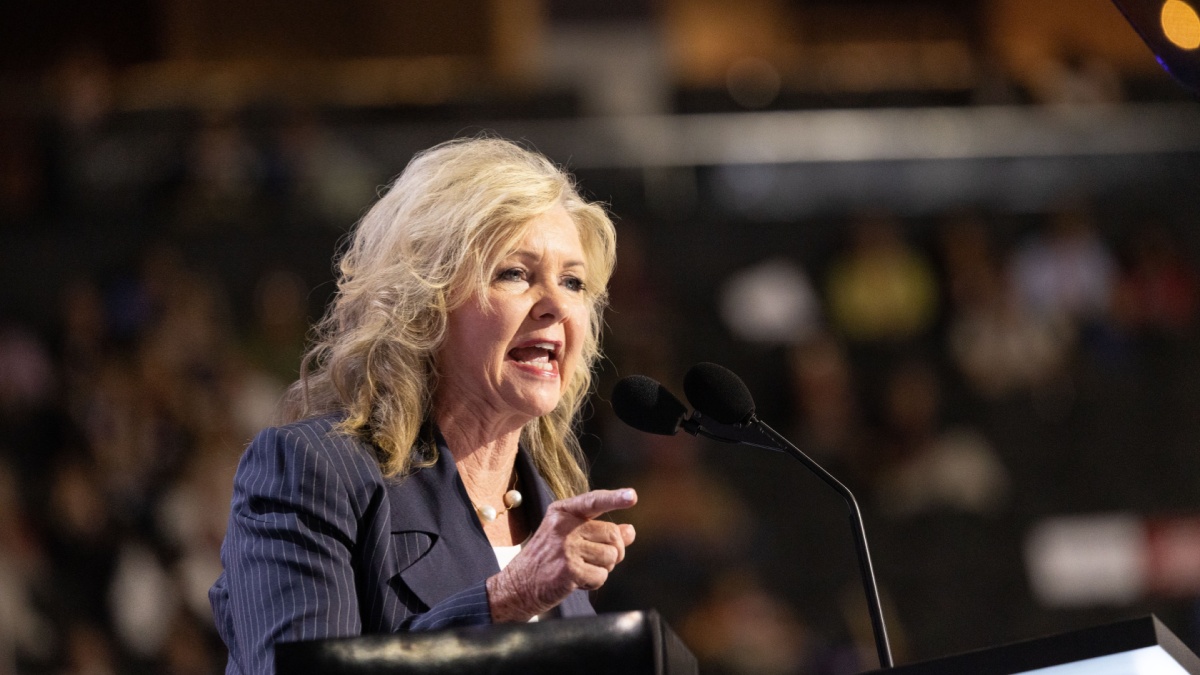
“When Americans watch their favorite sports team, they don’t want to worry about the game being rigged,” said Subcommittee Chair Sen. Marsha Blackburn during the hearing. “They don’t want to worry that their favorite player missed a free throw to make an extra buck on the side.”
Invited speakers at the hearing included:
- American Gaming Association CEO Bill Miller
- Coalition for Prediction Markets Senior Advisor Honorable Patrick McHenry
- Integrity Compliance 360 CEO Scott Sadin
- Tennessee Sports Wagering Council Executive Director Mary Beth Thomas
Prediction markets, consumer protections drive conversation
The controversial topic of prediction markets spearheaded the hearing amongst Senate members and key stakeholders, as the platforms draw integrity and compliance concerns.
“While prediction markets represent financial innovation across many sectors, there are real concerns that they function much like traditional sports betting without enforcement of state regulators and attorneys general,” continued Blackburn.
The AGA and Miller took direct shots at prediction markets and the delivery of sports event contracts, which the AGA considers to be a “threat” to America’s commercial gaming industry. The AGA believes prediction markets fail to offer their users the same consumer protection standards required by licensed sportsbooks in jurisdictions across the country.
“Prediction markets don’t comply with most of these important regulatory protections, and they allow 18-year-old teenagers to bet on sports,” said Miller. “Our process protects the integrity of sports. Why prediction markets don’t want to play by these rules, that’s for them to explain.”
Subcommittee Chairman Sen. Ted Cruz shared a similar sentiment, equating sports event contracts to betting markets offered by regulated sportsbooks across the country.
“Prediction markets have started offering, quote, event contracts on sporting events, which for all intents and purposes are sports bets,” said Cruz.
Cruz also raised integrity concerns about sports event contracts and the need for prediction markets to ensure their offerings have no impact on the outcome of games.
“At a minimum, any prediction market that offers event contracts on sports should be expected to join serious efforts to detect and prevent the rigging of sports,” added Cruz.
The proliferation of sports event contracts draws the attention of Senate subcommittee members, as the offerings provide consumers in jurisdictions that lack state-sanctioned retail and online sports betting with a “wagering” option, but with risks.
“The introduction of sports event contracts on prediction markets has exposed more people to sports betting,” added Blackburn. “While sports betting is often a source of entertainment for responsible adults, it does have risks.”
Senators turn eye toward prediction markets
The popularity and widespread availability of sports event contracts was noted by Sen. John Hickenlooper, who provided data indicating how popular the products are for users of some of the largest prediction markets despite integrity and consumer protection risks.
“24-7 access to online sports betting has increased these risks to consumers in a manner that I think far outweighs the traditional brick-and-mortar gambling facilities,” said Hickenlooper. “This is especially true in the prediction markets. Sports betting makes up 40% of the trades on Polymarket and a staggering 90% on Kalshi.”
Meanwhile, Thomas and the Tennessee Sports Wagering Council provided examples of how Tennessee’s regulated sports betting market takes steps to provide consumer protections to residents and visitors as prediction markets “fail” to adhere to the same standards.
“Tennessee recognizes that gambling is risky and can become problematic for some players if the right procedures are not enforced,” Thomas told hearing attendees.
Thomas mentioned Tennessee’s current consumer protection procedures. These include prohibiting individuals under the age of 21 from wagering, banning the use of credit cards to make deposits and withdrawals, and outlawing player props for college sporting events.
Tennessee also takes multiple steps in verifying identities for sportsbook accounts.
“Any criminal behavior can be difficult to completely prevent, but it can be often detected, investigated, and enforced with the right tools and collaboration,” Thomas continued.
IC360 also acknowledged the importance of consumer protections in the U.S. as new verticals emerge and new players enter the sports betting and prediction market spaces.
“The integrity infrastructure that protects American sports is not theoretical,” said Sadin. “The infrastructure exists, and it has worked, but just like any vertical within a complex industry, the integrity ecosystem has room to improve and mature as the space around it develops and evolves.”
Group for prediction markets responds to Senate concerns
The Coalition for Prediction Markets responded to the consumer protection concerns related to event contracts by relaying the procedures and standards some of the platforms implement to ensure event contract trading in the U.S. is held to a high integrity standard.
McHenry pointed to the Commodity Futures Trading Commission’s (CFTC) regulatory authority over prediction markets and the compliance and know-your-customer standards the agency requires to protect the integrity of prediction market trading in the U.S.
McHenry also notes that sports event contracts are part of a larger event contract industry that delivers products that provide key insights and data about industries in America.
“It’s important to recognize that sports event contracts are only one part of a much broader market, as categories like entertainment and politics grow quickly,” said McHenry. “These products are a part of a broader trend toward democratizing access to financial and informational tools that were once limited to institutions and large market participants.”
McHenry also touted the efficiency of compliance tools deployed by prediction markets.
“Our member companies have enhanced surveillance greater than any casino and greater than any sportsbook in the country,” continued McHenry. “We do more market surveillance, we ban users on a proactive basis rather than reactive basis, and we have a different business model that says no matter what happens with the contract, there is a small fee to the exchange as opposed to a sportsbook that is incentivized off of losers, not off of winners.”
The member companies of the Coalition for Prediction Markets include:
- Coinbase
- Crypto.com
- Kalshi
- Robinhood
- Underdog
Hearing attendees also spent time discussing how event contracts and prediction markets work, while debating whether the products resemble bets and sportsbooks.
“If I’m honest, even a couple of months ago, I would not have been able to tell you what a prediction market was,” said Sen. John Curtis.
Senate members voice concerns for young people
Witnesses and subcommittee members also discussed the marketing practices of prediction markets and how their ads can draw the attention of young people.
“It’s dangerous for minors to get into sports betting, and especially on prediction markets,” said Sadin. “That’s why almost all the states say it’s 21, not 18, but prediction markets let users as young as 18 bet on sports, but they also market their products to younger, more vulnerable audiences.”
Hickenlooper also voiced opposition to allowing young people to trade with prediction markets and the marketing efforts the companies deploy to attract young consumers.
“I look at the age issue as every bit as important as encouraging people that are struggling to make ends meet,” continued Hickenlooper. “I think it’s specifically dangerous for minors to get into sports betting and especially prediction markets.”
Other hearing attendees also questioned the methods prediction markets use to advertise, with social media being a key cog to how prediction markets deliver ads.
“Children are getting their entertainment online, on their phones, on Instagram, unfortunately, on TikTok,” said Dr. Harry Levant of the Public Health Advocacy Institute at Northeastern University during the hearing. “That advertising is completely unregulated, and social media is inundated with various levels of gambling advertising.”
What’s next for Senate members and key stakeholders?
The dialogue between Senate members and witnesses will allow key stakeholders in gaming and government to continue improving America’s regulated gaming industry.
“This does allow us to start to build where we should move in regulation, and also looking at the division between what should be federal and what should be state and preserving those state rights in order to move forward with this,” said Blackburn.
The hearing may be leveraged to draft, improve, and promote legal and regulatory policies and practices that can be used by both licensed sportsbooks and prediction markets.
Wednesday’s hearing marked the first time a Senate subcommittee discussed prediction markets and sports event contracts. In 2024, lawmakers held a hearing about the impact of sports betting, but the discussion did not include prediction markets.