
KEY TAKEAWAYS
- Sen. Ted Cruz plans to introduce a bill after the midterms that would bar prediction markets from offering gambling-related event contracts, including sports, without state or tribal authorization.
- Texas bans sports betting, and Lt. Gov. Dan Patrick wants to close what he calls the prediction market “gambling loophole.”
- The proposal lands as federal appeals courts split on whether states can regulate Kalshi and as New Jersey asks the Supreme Court to settle the question.
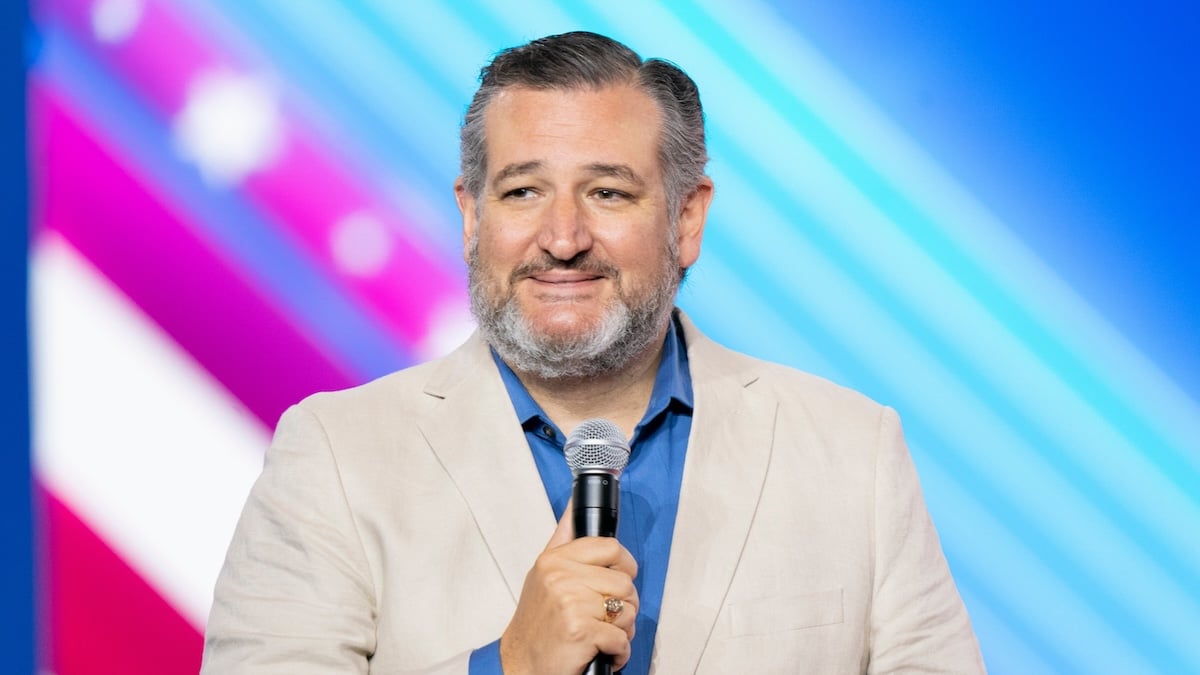
U.S. Sen. Ted Cruz (R-TX) plans to introduce legislation that would put state and tribal governments in control of sports contracts on prediction markets.
Cruz intends to file the bill after the Nov. 3 midterm elections, Bloomberg Law reported.
The legislation would prevent prediction markets from offering event contracts tied to gambling activities, including sports betting, unless a state or tribal government authorizes them.
How Cruz prediction markets bill would affect Kalshi, others
If Cruz files the bill as reported, it would flip the default rule for the industry. Kalshi and other Commodity Futures Trading Commission-registered (CFTC) exchanges currently operate sports contracts nationwide under a federal framework.
Under the Cruz legislation, an exchange would first need permission from a state or tribe. That could limit operator access to Texas, which does not have legal casinos or sports betting and provides a significant market base for prediction markets.
The bill does not yet appear on the Congress website. A post-midterm introduction leaves little time to pass the bill in the current session. The 119th Congress ends in early January, so a bill filed in the lame-duck session would need reintroduction in the next Congress unless it moves quickly.
Cruz called sports contracts ‘sports bets’ in May
At a May 20 Senate Commerce subcommittee hearing on sports betting integrity and prediction markets, Cruz framed the discussion around two questions:
- How to protect the integrity of sports in a world with legal betting
- Whether prediction markets “are operating within the law, or are they defying the law and improperly infringing on state sovereignty”
Cruz also told the panel that sports contracts are, “for all intents and purposes, sports bets.” He pointed to the unsettled legal picture as a reason for Congress to act.
“There is serious disagreement about whether the CFTC can unilaterally allow prediction markets to offer sports events contracts pursuant to the Commodity Exchange Act,” Cruz said. “Many simply see prediction markets as a workaround to state gambling laws. The courts are split. Ultimately, unless Congress acts, the Supreme Court may have to decide the issue.”
Cruz said at the time that the hearing was not about “rolling back legalized gambling in states that have chosen to authorize it.” His planned bill would not ban sports contracts outright, but it would leave the decision to states and tribes.
The approach sets the Cruz bill apart from other prediction markets-related proposals pending in Congress. A Congressional Research Service report lists bills that would ban sports and casino-style contracts on CFTC exchanges outright, including the Prediction Markets Are Gambling Act and the Fair Markets and Sports Integrity Act. Others, such as the Event Contract Enforcement Act and the Prediction Markets Security and Integrity Act, would allow gaming-related contracts only where a state permits them.
Texas bans sports betting but hosts major prediction market audience

The stakes are perhaps highest in Cruz’s home state. Texas prohibits sports betting and casinos, and Lt. Gov. Dan Patrick, who presides over the state Senate, stands as the primary obstacle to state-level legalization.
In 2023, a sports betting bill passed the Texas House, but Patrick refused to let the Senate take it up. In 2025, legalization efforts died on arrival.
Without legal sportsbooks, Texas is one of the most valuable markets for prediction market operators. Eilers & Krejcik Gaming estimated that Texas and California accounted for 43% of Kalshi’s volume and that overall, the 19 states without legal online sports betting delivered 69%.
Earlier this year, Patrick directed the Senate State Affairs Committee to “study the sudden inundation of prediction market gambling” and “make recommendations to ensure the integrity of Texas elections and Texas sports.”
The committee heard from Kalshi Head of Enforcement Robert DeNault and American Gaming Association Vice President Tres York in September. DeNault warned that prohibition would push Texans to unregulated offshore platforms, while York argued that 85% of Kalshi’s volume ties to sports and parlays.
Texas Attorney General Ken Paxton has stayed on the sidelines and did not join the attorneys general from 39 states and the District of Columbia who backed New Jersey‘s U.S. Supreme Court petition.
Federal courts, CFTC pull in opposite directions
The Cruz proposal enters a jurisdictional fight with no clear resolution. The Third Circuit Court of Appeals sided with Kalshi in April, finding the CFTC likely holds exclusive jurisdiction over its sports contracts in New Jersey. New Jersey asked the Supreme Court to review that decision.
Other appellate courts ruled differently. The Ninth Circuit ruled in August that Kalshi likely could not show the Commodity Exchange Act preempts Nevada gaming law as applied to sports contracts. In September, a Sixth Circuit panel held that Kalshi’s sports contracts are not swaps and that federal law would not preempt Ohio and Tennessee gambling laws even if they were.
The Tenth Circuit declined last month to block enforcement, and while Kalshi appeals, Utah Attorney General Derek Brown sued Kalshi and two Susquehanna trading entities in state court, seeking to halt Kalshi’s Utah operations and recover profits.
The Trump administration continues to push in the opposite direction from Cruz. Its CFTC adopted an interim final rule, effective Monday, that excludes casino-style gambling products such as sportsbook wagers from the swap definition. The exclusion covers only products offered off-exchange by state- or tribal-supervised operators. A companion proposal would define event contracts, including sports contracts, as swaps under the agency’s jurisdiction.