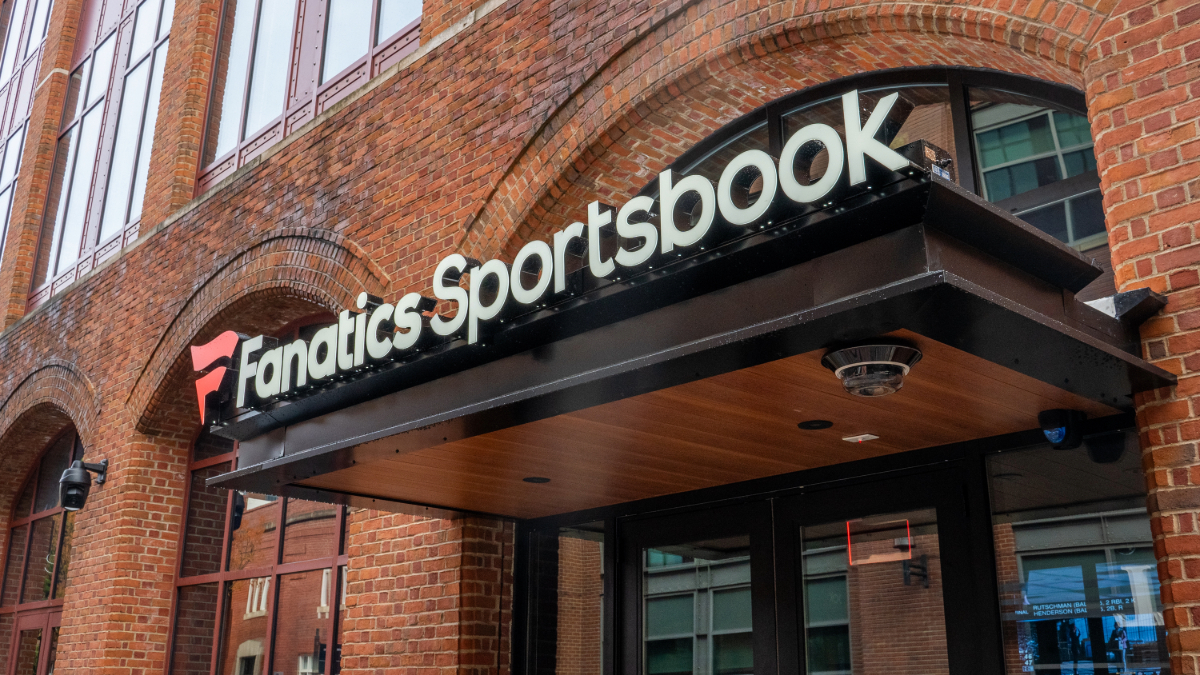
Colorado’s gaming regulator fined Fanatics Sportsbook $20,000 for twice sending a promotional offer to a VIP user who self-excluded from all online sports betting apps.
During the Colorado Limited Gaming Control Commission’s meeting on Thursday, Aug. 27, commissioners noted that the regulatory body reached a settlement with Fanatics, which admitted it broke state rules.
Why has Fanatics Sportsbook paid a fine in Colorado?
According to a stipulation and agreement signed by Fanatics on June 10 and published by the regulator, a Colorado Division of Gaming investigation found that Fanatics failed to comply with state laws and regulations related to customer outreach.
The report noted that last year, Fanatics Sportsbook stated in its strategy for a responsible gaming program that it “will not intentionally market to any known Self-Excluded individuals.”
However, Colorado’s probe found that:
- The gambler in question placed himself on the state’s self-exclusion list for a period of five years on Jan. 15, 2026
- On Feb. 1, a member of Fanatics Sportsbook’s VIP team sent a text message to the user to provide them with a promotional offer
- On Feb. 4, the operator identified the issue, notified the VIP leadership team, and training materials were distributed to customer-facing VIP team members
- On Feb. 17, a member of Fanatics Sportsbook’s VIP team again contacted the self-excluded user via text message with a promotional offer
The Colorado regulator said that by sending the two messages, Fanatics failed to ensure compliance with its own strategy for the implementation of a responsible gaming program and thereby violated state regulations.
Colorado tells Fanatics to search for other similar violations
The Division confirmed that Fanatics acknowledged the findings, admitted the violation, and voluntarily settled with the Division of Gaming via a mutual agreement.
In addition to the fine, Fanatics Sportsbook will audit its own self-exclusion list to ensure that confirm whether any other self-excluded users were contacted in a similar fashion in the period from Jan. 1, 2024, to March 1, 2026, and provide a detailed report to the Division. Fanatics launched in Colorado in December 2023, as part of its takeover of PointsBet USA’s state licenses.
Fanatics also agreed to enhance its ongoing training for all VIP staff on regulatory risk awareness and responsible gaming protocols, and submit proof to the Division.
Colorado’s statewide self-exclusion list allows gamblers to block off access to online sports betting apps for varying periods of time, and all sports betting licensees are required to stop engaging or contacting members of the list. The Denver Post reports that there are more than 1,200 Colorado residents on the state’s self-exclusion register.
Other online sports betting operators have also been fined recently by state regulators for violations related to self-exclusion protocols. Caesars Sportsbook reached a settlement with the New Jersey Division of Gaming Enforcement (DGE) in early August to pay almost $300,000 after an investigation found that Caesars, among other infractions, allowed self-excluded patrons the chance to bet via other platforms.

Colorado beefs up player protection measures
Colorado’s fine of Fanatics Sportsbook comes as the state made headlines this year for passing a comprehensive set of gambling laws.
The legislation, SB26-131, was signed by Gov. Jared Polis in June. It makes several changes to the state’s sports wagering market, including:
- Prohibiting push notifications or text messages that encourage inactive users to gamble
- Banning credit cards for account funding
- Limiting bettors to six deposits per day
- Banning operators from advertising towards anyone younger than 21
- Prohibiting operators from using language like “bonus bet” or “no sweat” in marketing
A previous version of the legislation proposed banning all prop bets, but that idea was abandoned after a fiscal note projected a $2.4m decline in state tax revenue as a result.
The Colorado bill was directly cited by lawmakers in other states including Pennsylvania as an inspiration for how to implement more safeguards around online gambling through legislation.