
Two lawmakers in Pennsylvania are taking note of recent legislative efforts to bolster consumer protections for gambling in Colorado by introducing similar legislation of their own.
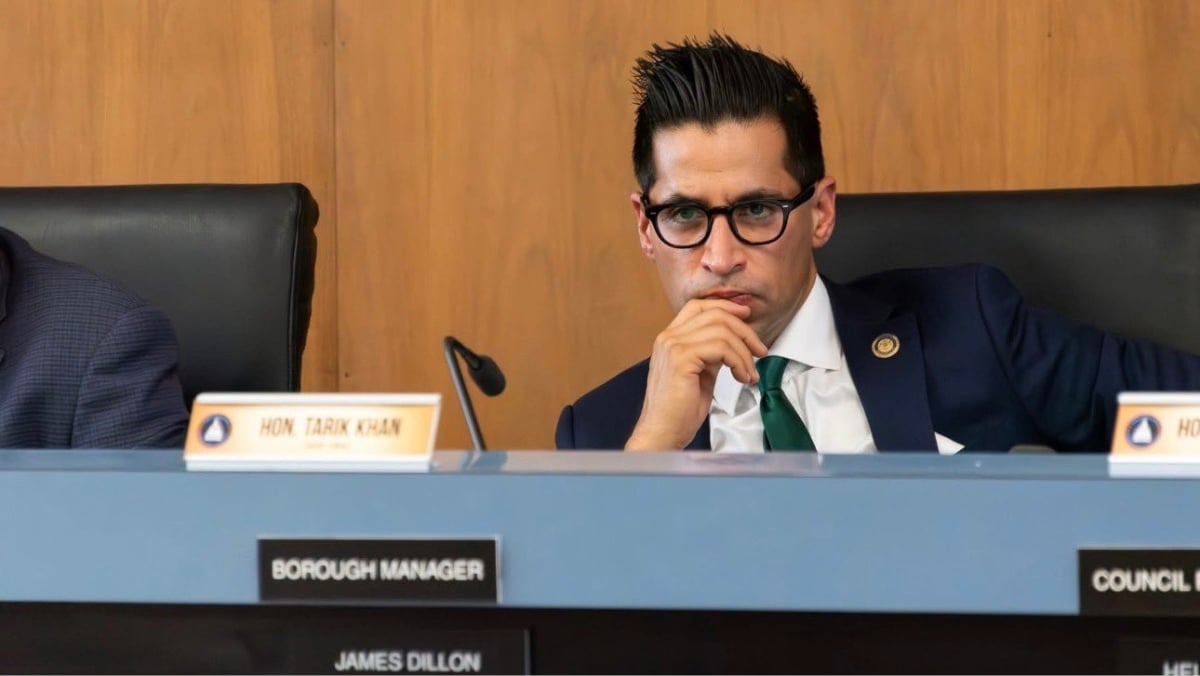
Reps. Tarik Khan and Jamie Flick announced on Wednesday plans to introduce three separate bills that are geared toward addressing problem gambling in the Keystone State.
“As a nurse practitioner, I believe we should address problem gambling the same way we address other public health challenges: with prevention, education, treatment, and commonsense safeguards,” said Khan. “Our bipartisan bill package will help protect young people, individuals, and families while supporting responsible gaming.”
The measures to be introduced by Khan and Flick each plays a different role in implementing new consumer protection standards for Pennsylvania’s gaming market.
The three bills the lawmakers will introduce include:
- The Pennsylvania Online Consumer Protection Act: a measure that aims to impose limits on the number of deposits into online gambling accounts in a 24-hour period. The bill also bans sportsbooks from delivering push notifications and texts for marketing.
- A separate measure will serve as a House companion bill to Senate Bill 265, proposing a ban on credit cards to fund player accounts for online gambling. SB 265 was introduced in 2025 and stalled after being referred to a subcommittee.
- The final document the lawmakers will introduce focuses on Pennsylvania’s self-exclusion program by placing a ban on marketing to list members by gambling operators in the state. The measure is a House companion bill to last year’s, Senate Bill 266.
“Too many young people are being exposed to online gambling through constant advertising and unprecedented access from their phones and devices,” said Flick. “These bills are about putting reasonable safeguards in place, promoting responsible gaming and helping ensure that young people and families are protected from gambling-related harm.”
Colorado example for Pennsylvania lawmakers
The consumer protection bills that will be filed by Khan and Flick are inspired by a bill signed by Colorado Gov. Jared Polis earlier this week.
“This bipartisan package of bills draws from bipartisan legislation introduced in Pennsylvania and Colorado that seeks to address problem gambling through commonsense consumer protections, responsible gaming measures and public health-focused safeguards,” reads a press release announcing the bipartisan package of bills.
Polis signed Senate Bill 26-131 on Monday, enacting a measure that makes sweeping changes to Colorado’s RG procedures and standards.
The Colorado consumer protection bill bans the use of credit cards to fund sportsbook accounts and makes the Centennial State the first U.S. jurisdiction to prohibit sportsbooks from sending push notifications or texts to solicit bets.
The legislation outlaws sportsbooks from using “bonus bet” or “no sweat” language in marketing and limits bettors to six separate deposits for a sportsbook in a 24-hour period.
The new rules for Colorado’s gaming market will go into effect on Aug. 12.
Pennsylvania efforts on RG
Khan and Flick are introducing RG-focused measures after the Pennsylvania’s General Assembly approved a distribution of funds in April to support a digital-focused RG platform.
Almond Digital Health is receiving state funding following the approval of a grant by the General Assembly. The total value of the grant was not disclosed, but it will help Almond Digital Health continue to provide RG resources that include self-guided trackers.
The free online service works in conjunction with hotlines to deliver RG tools, while offering several languages for users. Access to the platform is also anonymous.
Earlier this year, the Pennsylvania Gaming Control Board also addressed problem gambling by launching a new awareness campaign, “What’s Really at Stake.” The campaign combats underage problem gambling in Pennsylvania.
Pennsylvania’s Department of Drug and Alcohol Programs is also providing RG resources by offering a free problem gambling toolkit designed for parents and educators.