
Kalshi and its preferred regulator and legal partner unveiled Wednesday what reasonably could be seen as extraordinary coordination in a filing with the Second Circuit Court of Appeals.
Attorneys for Kalshi submitted a letter citing Tuesday’s “market emergency” declaration by the one-person Commodity Futures Trading Commission (CFTC) as grounds for an injunction pending appeal that would prevent New York from receiving a temporary restraining order to stop at least some of the company’s operations.
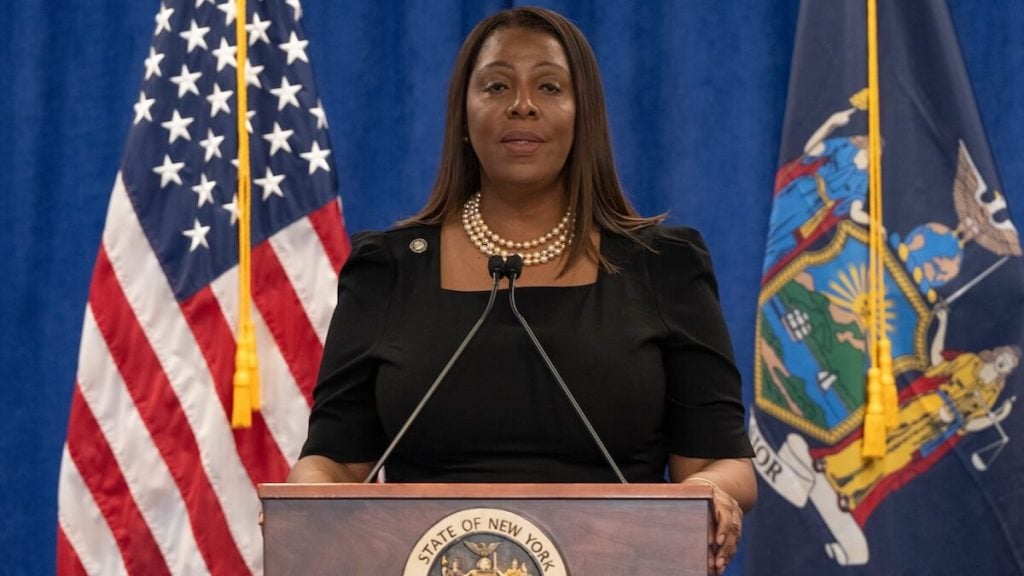
Of course, CFTC Chairman Michael Selig only invoked the CFTC’s emergency power to order Kalshi to continue operating in defiance of state directives because the company petitioned him after being sued for $36bn by New York Attorney General Letitia James. That brazen move created the previously non-existent regulatory conflict on which Kalshi based its letter on Wednesday.
The timeline, then, looks like this:
- July 29: Second Circuit denies Kalshi’s original request for an injunction pending appeal to stop New York from enforcement
- July 31: James sues Kalshi seeking to stop its operations and recover its profits, plus significant penalties
- Aug. 1: Kalshi tells Selig it faces an existential threat from New York’s suit that could cause a market emergency
- Aug. 11: Selig invokes emergency powers used only twice in the past 45 years to order Kalshi to continue operating
- Aug. 12: Kalshi uses CFTC directive to tell appeals court it now faces irreconcilable state/federal orders
As such, Kalshi appears to ask for relief from a federal order that the company received from a friendly regulator as a response to its own plea.
What CFTC said about Kalshi request
Tuesday’s CFTC order details the notice that Kalshi provided to Selig the day after the New York suit arrived:
“That next day, Kalshi provided correspondence to the Commission notifying it of an imminent market emergency that would arise if New York obtained a TRO against the company. Kalshi noted that the TRO would enjoin the operation of the DCM completely, not just a category of contracts, and would require the DCM to refund customers and disgorge profits from trades already completed. Beyond the DCM itself, Kalshi noted that the TRO would expose traders to substantial losses exceeding the collateralized value of the contracts and result in market disruptions. According to the DCM, the disruptive effect of New York’s lawsuit may be felt even before a TRO would be granted.”
A day later, Kalshi attorney Will Havemann cited language from that order 16 times in his letter to the Second Circuit.
“The Order highlights the irreconcilable conflict between federal and state law. Pursuant to federal law, it orders Kalshi not to follow a state-court order. And it underscores that an injunction pending appeal is needed to prevent existential harm to Kalshi,” the letter reads in part.
As detailed in the CFTC order, New York can appeal the emergency declaration to either the Second Circuit or D.C. Circuit Court of Appeals. SBC Americas contacted James’s office to request comment on the CFTC’s move but has not yet received a response.
Trump CFTC no stranger to helping prediction markets
Whether or not the CFTC intended to provide Kalshi with grounds to again seek an injunction pending appeal, the federal regulator continually provides prediction markets with support under the administration of U.S. President Donald Trump.
To date, the CFTC has filed lawsuits seeking to block states from stopping various aspects of prediction market activity in nine states:
- Arizona
- Connecticut
- Illinois
- Kentucky
- Minnesota
- New Mexico
- New York
- Rhode Island
- Wisconsin
The regulator also filed amicus briefs supporting prediction market operators in the Sixth and Ninth Circuit Court of Appeals, as well as in Massachusetts state court.