Florida‘s attorney general filed suit Wednesday against illegal operators in the state, but in a break from the 2026 norm, prediction markets are not his targets.
Attorney General James Uthmeier announced lawsuits in Hillsborough County Circuit Court against Stake and VGW for their sweepstakes operations, as well as going after affiliated payment processors. VGW operates Chumba Casino, LuckyLand and Global Poker, among other popular brands.
“These so-called ‘sweepstakes’ and ‘social casinos’ are illegal online gambling operations,” Uthmeier said in a statement. “If it looks like a casino, takes real money like a casino, and pays out like a casino, it is a casino—and it is illegal under Florida law. These companies have been preying on Floridians, including minors and seniors, with deceptive marketing, and 24/7 access, while dodging our state’s licensing, taxation, and consumer-protection requirements. They must be stopped.”
Florida sweeps lawsuits ramp up rhetoric
Both the Stake and VGW suits begin with identical language that sets a fiery tone:
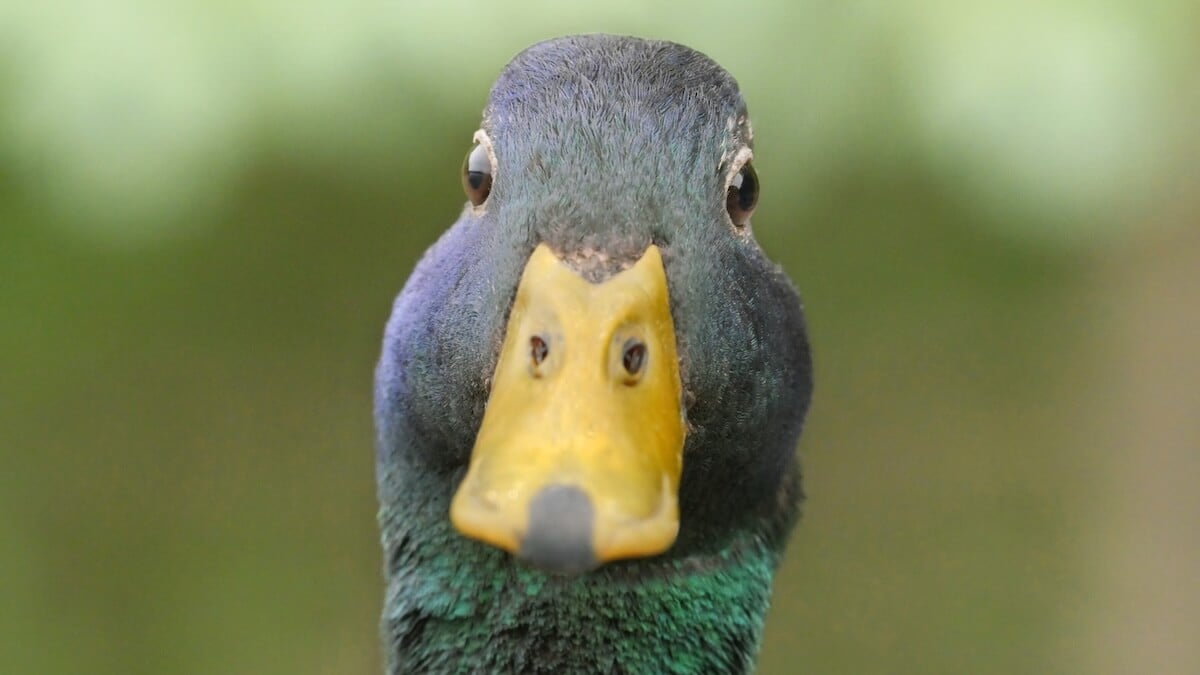
“Defendants operate illegal online casinos in the State of Florida. They call them ‘sweepstakes’ casinos as if that’s some sort of talismanic cure-all. But if it looks, swims, and quacks like a duck, it’s a duck.”
The Florida sweeps casino lawsuits seek a handful of outcomes, including:
- Enjoining Stake and VGW from operating in Florida
- Forfeiture of winnings from previous operation in the state
- Civil penalties of up to $15,000 each for “willful violations” of Florida gambling law
As the VGW suit notes, billions of dollars are at stake: “Before going private, the VGW Defendants generated annual revenue, for just the year 2025, of more than $5 billion. $3.7 billion of VGW’s 2025 revenue was attributable to Chumba Casino alone.”
Sweeps casinos under scrutiny
The dual-currency and free-to-play sweepstakes gaming models rose in prominence in the U.S. market as online sports betting and iGaming legislation stalled following an initial wave of adoption after the 2018 PASPA decision at the Supreme Court.
After that first wave, a new iteration of daily fantasy sports led by Underdog and PrizePicks took on regulated sports betting operators. As that model drew critical regulatory attention, sweepstakes gaming became the trendier approach to skirt state gaming laws.
In the past two years, though, legislators and regulators throughout the country cracked down on sweepstakes models. These states banned sweeps in 2025 and 2026, to date:
- California
- Connecticut
- Louisiana
- Montana
- New Jersey
- New York
- Oklahoma
- Tennessee
Florida gambling at a glance
The Sunshine State presents one of the country’s more complicated gaming markets. While most gambling is banned, exceptions for tribal interests allow for some games to be offered.
The passage of Amendment 3 in 2018 essentially locked down gambling in Florida, requiring voter approval for any expansion of gambling. Tribal interests and the Disney Corporation bankrolled the measure, which largely cemented the Seminole Tribe‘s exclusive ability to offer gaming in the state.
DraftKings and FanDuel spent at least $20m to back a challenge to that exclusivity in 2022, but the petition campaign failed to qualify for the ballot. That created the environment through which Hard Rock Bet became the exclusive online sports betting operator in Florida.
State gaming regulators previously took aim at PrizePicks, Underdog and Betr in 2023 for their DFS operations in Florida, sending a cease-and-desist letter to each.