Two dozen Pennsylvania state representatives are endorsing the latest legislative effort to ban insider trading on prediction markets following high-profile cases alleging ill-gotten profits.
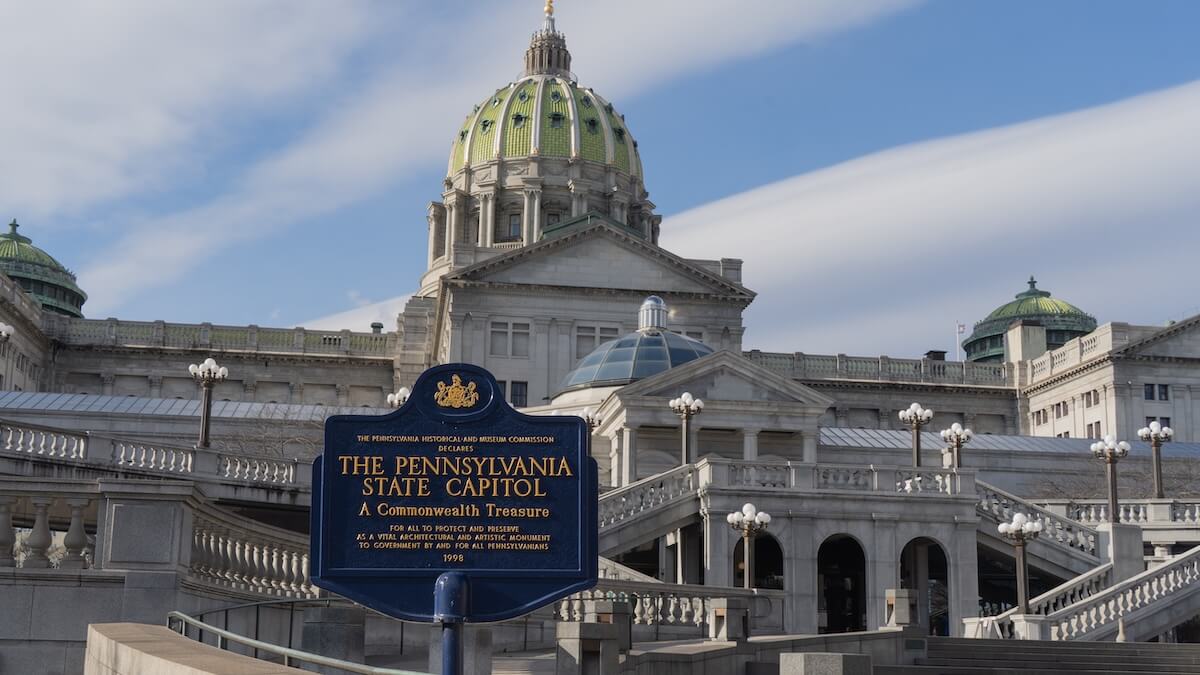
House Bill 2711 appeared Wednesday in the Pennsylvania Assembly and was referred to the Committee on Consumer Protection, Technology & Utilities for further consideration. The bill would create civil penalties for insider trading activity in prediction markets that range from $10,000 for initial violations up to $1m per day for operators continuing in defiance of potential court orders.
“Right now, new online platforms are letting people bet on the outcome of real-world events. That includes elections and economic trends. But people with inside information can game the system and profit while everyone else loses,” an attached sponsorship memo begins. “That is not a fair market. That is a corrupt, rigged system.”
Rep. Tarik Khan (D-Philadelphia) is the bill’s primary sponsor. A bipartisan group of co-sponsors comprising nearly 12% of the Assembly could give the legislation a strong foundation with a Democratic-led House and Republican-led Senate. Pennsylvania’s legislative session runs through Nov. 30.
What would PA prediction market insider trading bill do?
While the bill’s main aim appears to be targeting insider trading, it also adds a larger set of guardrails on the prediction market industry in Pennsylvania:
- Sets an age limit of at least 21 years old to open an account
- Prohibits markets involving health status, death or sports below the collegiate level
- Requires operators to implement “commercially reasonable and technically feasible” measures to prevent fraud or manipulation
The bill also includes language restricting market making if the “prediction market includes, as a liquidity provider or market maker, a person that knowingly engages in a gaming activity in the ordinary course of business, whether within or outside this Commonwealth.” It similarly restricts any offerings “if the prediction market includes a contract or share of revenue with a person or entity who knowingly engages in a gaming activity …”
Prediction market charges drive response
Cases involving people using classified or non-public information for insider trading purposes are driving government response at the state and federal levels. In 2026 alone, prediction market abuse situations include:
- A U.S. Army soldier allegedly using classified information about operations involving Venezuela President Nicolas Maduro to win more than $400,000 on Polymarket.
- A teleprompter operator for U.S. President Donald Trump profiting more than $100,000 on Kalshi wagering on words that would appear in Trump’s speeches.
- A Google employee allegedly using non-public search information to make more than $1 million on Polymarket.
- Former U.S. Rep. George Santos reportedly being investigated by the Department of Justice for suspicious trading on Kalshi around his own attendance at the State of the Union address this year.
- Bots reportedly manipulating markets involving Spotify streaming that led to millions in prediction market winnings.
How governors, legislators are fighting back on insider trading
The Pennsylvania insider trading bill adds to a trend of elected officials striking back at these fraud and manipulation allegations.
U.S. Senators voted in April to ban themselves and their staffers from taking part in prediction markets. Multiple bills to take similar action in the House, or to regulate or ban prediction markets, are floating around Congress as well. Similar state-level legislative efforts are also underway.
The Democratic governors of seven states took executive actions to ban state employees from either using inside information or from participating entirely in prediction markets:
- Arizona
- California
- Illinois
- Maryland
- New York
- North Carolina
- Wisconsin