A U.S. Army soldier involved in the capture of Venezuela President Nicolás Maduro used classified information to win more than $400,000 on Polymarket wagering on outcomes around the operation, according to government officials.
Federal prosecutors on Thursday charged Gannon Ken Van Dyke with wire fraud, making an unlawful monetary transaction and three counts of violating the Commodity Exchange Act. The charges carry a maximum potential sentence of 60 years in prison.
According to a complaint brought in the Eastern District of North Carolina, Van Dyke participated in planning and carrying out the capture of Maduro via Operation Absolute Resolve on Jan. 3, 2026. A week earlier, Van Dyke allegedly created and funded a Polymarket account to place $33,034 in ‘yes’ wagers on markets including:
- “U.S. Forces in Venezuela … by January 31, 2026”
- “Maduro out by … January 31, 2026”
- “Will the U.S. invade Venezuela by … January 31”
- “Trump invokes War Powers against Venezuela by … January 31”
Van Dyke collected $409,881 in profits from his Polymarket activity, which he then attempted to hide in a foreign cryptocurrency vault before transferring the funds to a newly created online brokerage account.
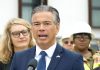
“Our men and women in uniform are trusted with classified information in order to accomplish their mission as safely and effectively as possible, and are prohibited from using this highly sensitive information for personal financial gain,” said Acting U.S. Attorney General Todd Blanche in a Department of Justice news release. “Widespread access to prediction markets is a relatively new phenomenon, but federal laws protecting national security information fully apply.”
Joint action with CFTC against Army soldier
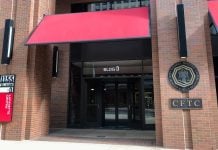
In addition to the criminal charges filed by the DOJ, federal authorities also want the money back from Van Dyke. The Commodity Futures Trading Commission (CFTC) filed a complaint in the Southern District of New York against the 38-year-old Army soldier that “seeks restitution, disgorgement, civil monetary penalties, trading and registration bans, and a permanent injunction against further violations of the Commodity Exchange Act and CFTC regulations.”
“All members of the government, including service members, owe a duty of trust and confidentiality to the government and the American people,” said Director of Enforcement David I. Miller said in the CFTC release. “The defendant abused that trust by misappropriating extremely sensitive information regarding U.S. military operations, and by doing so, placed the lives and security of our service members at risk.
“This case marks the first time the CFTC has charged insider trading involving event contracts, and the first time the CFTC has used the so-called ‘Eddie Murphy Rule’ to bring charges based on the misuse of government information.
What is the CFTC’s Eddie Murphy Rule?
The so-called “Eddie Murphy Rule” dates to 2011 and references Murphy’s role in the movie ‘Trading Places‘, which centers on fraud in orange juice commodity trading.
The CFTC regulates event contract operators including Polymarket and Kalshi, although its reach does not extend to the international presence that comprises the overwhelming majority of Polymarket’s operation.
Polymarket in the news around Maduro again
Learning Van Dyke’s identity as a U.S. army soldier deeply involved in Maduro’s capture brings a fairly shocking end to a story that began two months ago. That is when news of the suspicious trades on Polymarket first became public.
The charges also extend Polymarket’s place in the spotlight of controversy with the law. Polymarket is in court in multiple states fighting against enforcement actions largely related to sports event contracts that mirror sports betting.
The company also recently partnered with Major League Baseball and Major League Soccer in the sports space.