
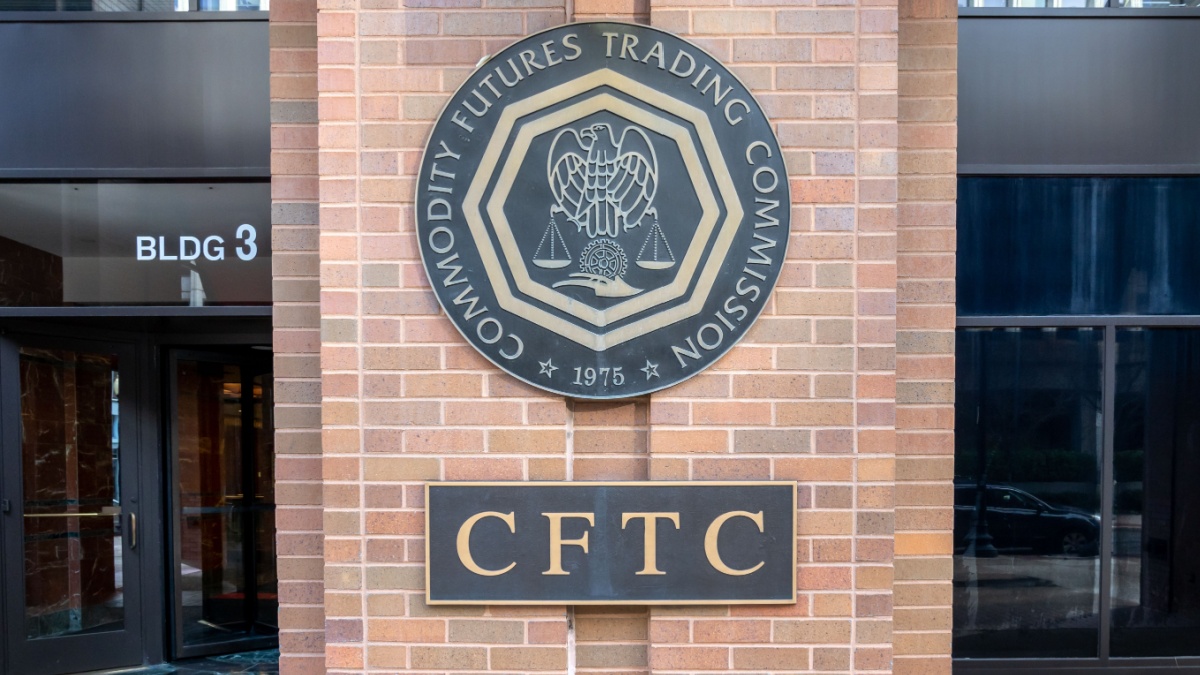
The Commodity Futures Trading Commission (CFTC) is responding with a lawsuit to legal action levied against two prediction markets by Rhode Island’s attorney general.
On Thursday, the CFTC filed a motion to intervene in the legal proceedings between Rhode Island Attorney General Peter F. Neronha and two prediction markets, Kalshi and Polymarket. The CFTC is suing Neronha and Rhode Island Lottery Director Mark Curcolo over legality and regulatory concerns related to sports event contracts.
SBC Americas reached out to Neronha’s office for comment on the CFTC’s suit.
What prompted CFTC to sue Rhode Island?
Last week, Neronha sued Kalshi and Polymarket in Rhode Island Superior Court for offering sports event contracts that should be “subject to Rhode Island state gambling laws.” The Rhode Island AG sued the two companies after Kalshi filed a preemptive suit last week.
The lawsuit filed by Neronha sparked the CFTC’s decision to file a complaint on Thursday against the Rhode Island AG over threats of state enforcement action despite the Commodity Exchange Act (CEA) providing the CFTC with “exclusive jurisdiction” over prediction markets.
“CFTC-registered exchanges have faced an onslaught of lawsuits seeking to limit Americans’ access to event contracts and undermine the CFTC’s sole regulatory jurisdiction over prediction markets,” said CFTC Chairman Michael Selig in a press release. “This power grab ignores the law and decades of precedent.”
CFTC continues to sue states
Rhode Island adds to a growing list of attorneys general facing lawsuits filed by the CFTC:
- Arizona
- Connecticut
- Illinois
- Minnesota
- New York
- Wisconsin
In the states where the CFTC is taking legal action against attorneys general, the agency also argues that the CEA provides it with exclusive authority to regulate prediction markets.
The CFTC’s lawsuits against state attorney generals are drawing increased attention after Minnesota Gov. Tim Walz signed a prediction market ban into law. The signing of Senate File 4760 caused the CFTC to file a federal lawsuit against the state to prevent the ban.
Under the bill, prediction markets are barred from operating and advertising starting Aug. 1. The measure is the first in the U.S. to explicitly ban the operation of prediction markets.
CFTC and political ties to Trump
CNBC noted that the CFTC has not taken legal action against a Republican state attorney general. Selig is a Republican who was recently commended by President Donald Trump on social media.
On Tuesday, Trump shared a post on his Truth Social platform, voicing his support for the CFTC’s argument that it has exclusive authority to regulate prediction markets.
“It is critically important that the CFTC’s exclusive authority over Prediction Markets is maintained, and that they will thrive,” said Trump in the post. “It is a major Industry, and we must protect it. Mike Selig, CFTC Chairman, and respected by all, is doing a great job.”
Just last month, Trump said he was “never much in favor” of prediction markets, according to a New York Times exposé about prediction markets and crypto regulatory bodies.
Trump criticized prediction markets after a U.S. service member was arrested for allegedly using classified information to pocket more than $400,000 while trading on Polymarket. The markets were related to the political status of Venezuelan President Nicolás Maduro.