
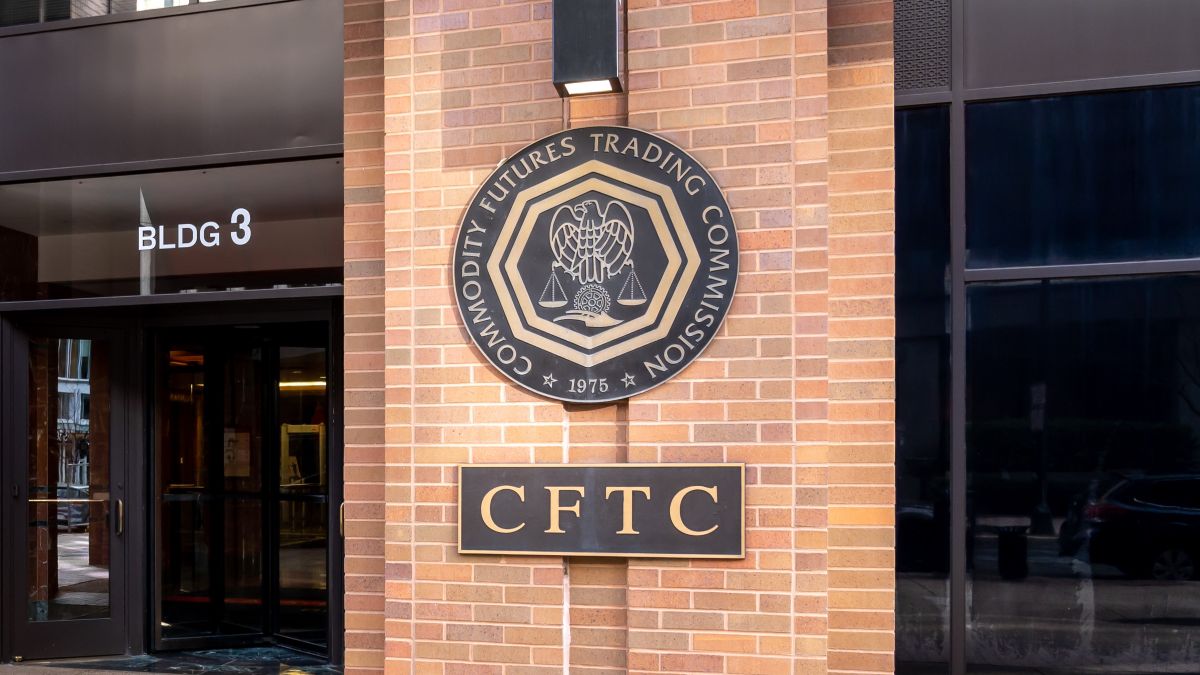
The Commodity Futures Trading Commission (CFTC) ramped up its prediction markets court offensive on Friday by filing a federal lawsuit against the state of New York and intervening in a pre-existing court case in Massachusetts.
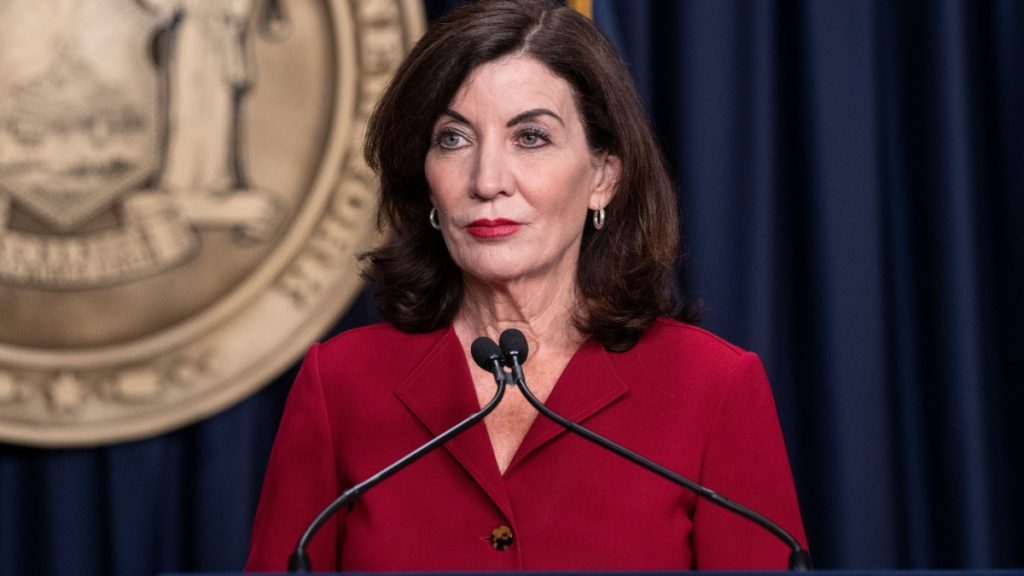
The federal government and the CFTC filed a complaint on April 24 in the U.S. District Court for the Southern District of New York against defendants including New York Gov. Kathy Hochul, Attorney General Letitia James, and the leaders and commissioners of the New York State Gaming Commission (NYSGC).
The CFTC’s arguments broadly follow those that it made in lawsuits it filed against Arizona, Connecticut, and Illinois, as well as what companies like Kalshi and Crypto.com have been saying in court complaints around the country: that the court should rule that the CFTC’s federal authority over supersedes state gaming laws when it comes to event contracts.
The CFTC wants the court to grant a permanent injunction against the New York officials.
The New York prediction markets battleground
The CFTC and the DOJ list two major incidents that they say have led to the court action.
- First, the NYSGC sent Kalshi a cease-and-desist order in October 2025, alleging that the company’s sports contracts constitute illegal sports wagering without a state gaming license. Kalshi almost immediately sued New York officials in federal court in retaliation.
- Then, just last week, the state of New York sued Coinbase and Gemini in a bid to obtain permanent injunctions and stop the companies from offering trading on sports, elections, and certain other contracts.
“Unless restrained and enjoined by the Court, defendants are likely to continue their attempts to subvert federal law and the exclusive jurisdiction to regulate event contract swaps conferred on the CFTC by Congress,” stated the CFTC in its complaint. “Defendants’ aggressive enforcement of their preempted state laws causes irreparable harm to the federal plaintiffs because it is disrupting the operation of federally regulated markets and impairing the CFTC’s ability to apply and enforce its own regulations and the federal CEA.
“Absent an injunction, the United States and the CFTC will suffer irreparable harm.”
New York has been one of the most vocal states decrying the spread of prediction markets into sports. As well as the C&D and the Coinbase and Gemini lawsuits, NYSGC Chair Brian O’Dwyer suggested in November that the regulator would take a long, hard look at whether gaming licensees should be allowed to do business in the state’s sports betting market if they offer prediction markets. Meanwhile, AG James and Gov. Hochul have both publicly commented critically on prediction markets.
New York Gov. and AG respond to CFTC lawsuit
As in Arizona, Connecticut, and Illinois, the CFTC asserted that New York’s regulatory and legal actions represented an overstep by state authorities in a federally regulated area.
“CFTC-registered exchanges have faced an onslaught of state lawsuits seeking to limit Americans’ access to event contracts and undermine the CFTC’s sole regulatory jurisdiction over prediction markets,” said CFTC Chairman Michael Selig in a statement included in a CFTC press release. “New York is the latest state to ignore federal law and decades of precedent by seeking to enforce state gambling laws against CFTC-registered exchanges.
“As I’ve said before, the CFTC will not allow overzealous state governments to undermine the agency’s longstanding authority over these markets.”
In a responding statement on Friday, Hochul and James accused the federal government of “prioritizing big corporations over consumers”.
“New York’s gambling laws are designed to protect consumers, whether they are placing bets in a prediction market or a casino,” wrote the Governor and Attorney General. “When gambling platforms, including prediction markets, violate our laws, we will not hesitate to hold them accountable. We look forward to continuing to defend our laws in court.”
CFTC continues to file as ‘friend’ of prediction markets
Last week, James also joined a bipartisan coalition of 37 other attorneys general who have filed an ‘friend of the court’ (amicus) brief in the Supreme Judicial Court of Massachusetts, urging a judge to uphold a January ruling that granted that state a preliminary injunction against Kalshi.
The CFTC has also filed an amicus brief in that case, just as it did in February in Crypto.com’s battle with Nevada in the U.S. Court of Appeals for the Ninth Circuit.
“Some states continue to pursue ever-escalating, illegal enforcement actions against CFTC-regulated exchanges, despite rulings from multiple courts halting those efforts,” said Selig in a separate press release issued on Friday. “Congress has entrusted the CFTC with the sole authority to regulate commodity derivatives markets, including prediction markets. To any state that seeks to nullify federal law and seize authority over these markets, I say again: we will see you in court.”
While Selig continues to be grilled by Congress and other onlookers about the CFTC’s stance on event contracts, the actions in New York and Massachusetts are the latest escalation of his version of the CFTC’s strategy to take the battle over jurisdiction to the courts in its bid to defend its registered prediction markets companies.