Lawmakers in two states have introduced pieces of legislation that aim to curtail prediction markets and college player props, as the wider trend of scrutiny on both categories continues.
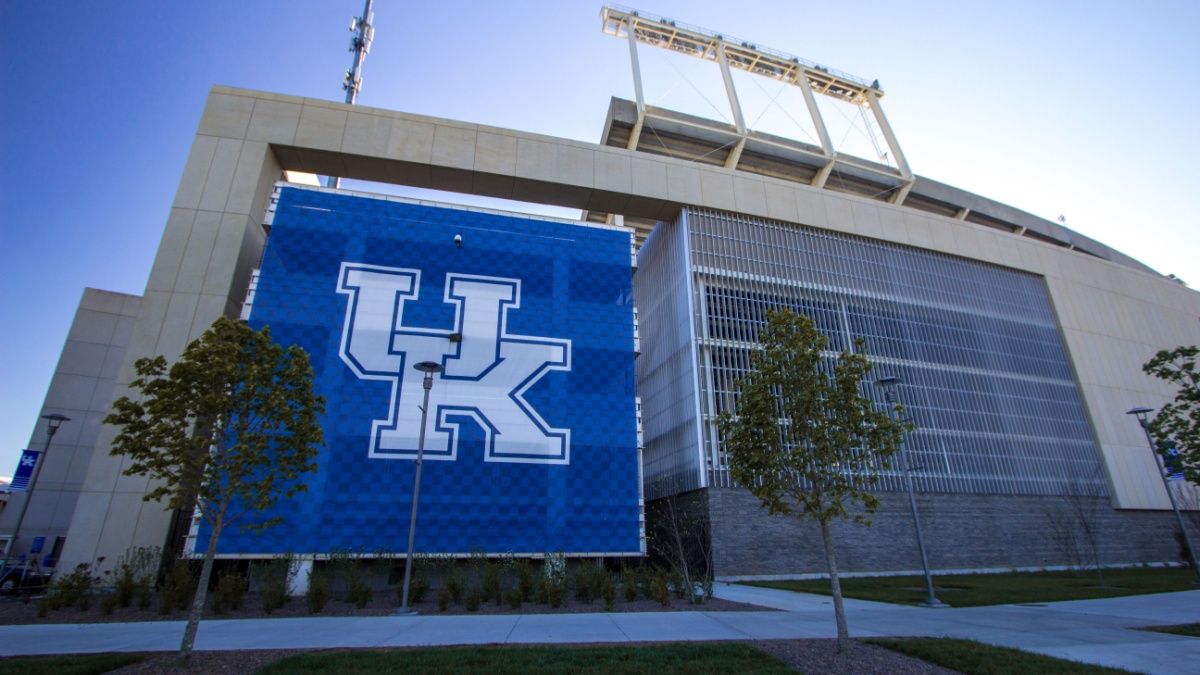
Kentucky Reps. Michael Meredith and Matthew Koch filed House Bill 904, an omnibus measure that aims to make several changes to the state’s gaming market, including banning certain prediction market partnerships and certain individual college player props, as well as licensing and regulating daily fantasy sports (DFS) contests.
Meanwhile, in Minnesota, a bipartisan group of lawmakers submitted Senate File 4139, which intends to bring online sports betting to the state through tribal partnerships, while also proposing stipulations for regulated sports betting that include a college player prop ban.
Prediction market deals a concern in Kentucky
HB 904, coined as the Wagering Consumer Protection Act, proposes several changes to Kentucky’s gaming market, including raising the minimum age limit for sports wagering, DFS, and charitable gaming activities from 18 to 21.
Kentucky’s regulated sports betting market requires operators to partner with a state-licensed racetrack. Under HB 904, licensees that conduct horse racing, DFS or sports betting in Kentucky would be prohibited from signing deals with prediction markets that offer event contracts. The ban on prediction market deals also extends to any affiliates.
Kentucky sports betting licensees DraftKings, FanDuel and Fanatics all offer event contract trading in various markets across the country with partners such as Crypto.com and CME Group.
“It is important that we ensure safeguards are in place to protect consumers and maintain the integrity of lawful wagering and charitable gaming,” said Koch in a press release. “The Wagering Consumer Protection Act would build on the General Assembly’s previous work to strengthen industry oversight and establish a regulatory framework that supports the long-term success of these industries.”
Kentucky student-athletes could be off-limits
Kentucky is also weighing an adjustment to its college betting market rules.
The measure does not aim to implement a sweeping ban on college player props, but would prohibit wagering on player props for student-athletes at colleges and universities in the state. The ban would extend to both single and parlay wagers placed in the state.
HB 904 also proposes legalizing fixed-odds wagering on live horse races, a purse stabilization fund for horse racing and new consumer protection standards. Failure to adhere to HB 904’s rules subjects a person to a Class B misdemeanor. If found guilty, a person could receive a jail sentence of up to 90 days and a fine of up to $250. HB 904 has been referred to a House committee for further consideration.
Minnesota’s latest online wagering bill
Minnesota is considering a new online sports betting bill that aims to bring the vertical to the state through partnerships with tribes in the state that offer Class III wagering.
Under SF 4139, the Commissioner of Public Safety is the regulator of online sports betting in Minnesota and can issue up to 11 online sports betting operator licenses. Each tribe can only partner with one online sportsbook, with licensing fees set at $250,000.
If approved for a license and tribal partnership, an operator would not be allowed to “offer or accept wagers on propositional occurrences or proposition bets on college sports.” The rule extends to all college sports and not just schools located in Minnesota.
Under SF 4139, online sports betting would be taxed at a 22% rate on adjusted gross revenue, with wagers placed on Indian lands not subject to the taxation requirement. Last year, Sen. Matt Klein filed a failed online betting bill that also proposed a 22% rate.
SF 4139 has garnered support from federally recognized tribes in Minnesota, with members of the state’s Indian Gaming Association voicing their support of the tribe-friendly bill.
SB 4139 mentions ‘betting exchanges’
SF 4139 also aims to cap sportsbook deposits at $500 every 24 hours, limit the amount of losses allowed per day and per month, and ban sportsbooks from delivering push notifications to customers.
The legislation does not explicitly mention prediction markets but would not permit the regulation of “peer-to-peer” wagers and “betting exchanges” by the commission. SF 4139 defines a betting exchange as a “marketplace that facilitates peer-to-peer wagers without collecting fees for wagers placed.” The provision could impact the operation of prediction markets that are drawing concerns over sports event contracts.
SR 4139 completed its first reading and has been referred to the Senate Rules and Administration Committee for further consideration.
Active state bans on college player props
Kentucky and Minnesota could add to the growing list of states that ban sports betting operators from offering markets on some degree of college player props. The states have outlawed college player props amid concerns raised by the NCAA, student-athletes and key stakeholders.
New York, Maryland, Louisiana and Ohio have banned college player props outright, while Connecticut, Illinois, Iowa and New Jersey take the same approach as Kentucky’s HB 904 by only allowing college props for out-of-state schools.
Several other states have prop betting on the brain: New bills in Colorado and Louisiana would implement blanket bans on all prop wagers, not just player props.
Prediction market deals draw nationwide concern
The measures in Kentucky and Minnesota take aim at prediction markets as gaming regulators and lawmakers take issue with sports event contracts that resemble gambling.
Regulators in Arizona, Nevada and Ohio have sent notices to licensed operators in their respective states, warning that deals with prediction markets could put their licenses in jeopardy. The New York State Gaming Commission has also considered a similar tactic.
Meanwhile, there are several federal bills in play in Congress to curb prediction markets, including a high-profile effort filed this week, some of which have a focus on preventing insider trading. State lawmakers in jurisdictions including New York, Illinois and Iowa also have legislation on the docket to tackle event contracts.