KEY TAKEAWAYS
- A federal judge ordered Kalshi to geofence the lands of four New Mexico tribal nations within 14 days, finding that online betting occurs where the bettor is located.
- The ruling follows the Ninth Circuit’s Blue Lake Rancheria decision and gives tribes outside the West Coast a template for Indian Gaming Regulatory Act enforcement.
- The compliance deadline lands days after a CFTC deadline for exchanges to drop domestic geographic restrictions.
Tribal nations now hold a second federal blueprint for pushing Kalshi off their lands following a ruling Monday in New Mexico.
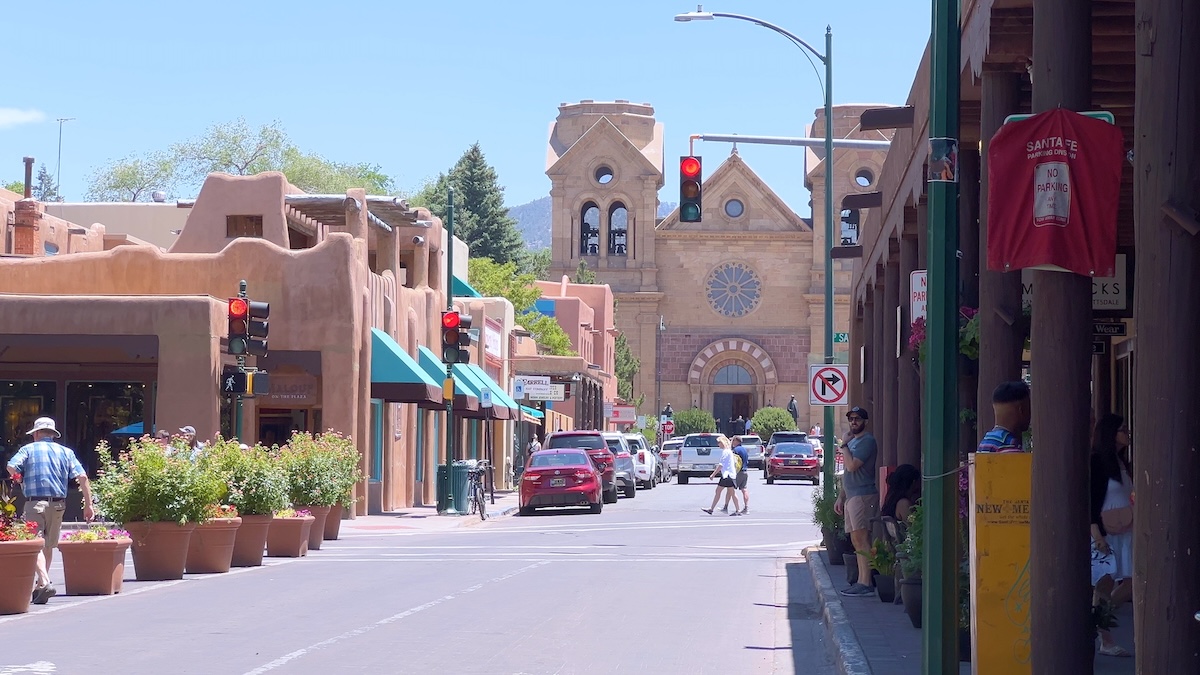
U.S. District Judge Margaret Strickland on Monday denied Kalshi’s motion to dismiss and granted a preliminary injunction to the Mescalero Apache Tribe and the Pueblos of Isleta, Pojoaque and Sandia. Kalshi must stop offering sports event contracts to anyone physically located on those lands, and has 14 days to comply through geofencing or another mechanism.
The state of New Mexico opened its own front in June when Attorney General Raúl Torrez sued Kalshi. The Commodity Futures Trading Commission (CFTC) countersued to block state enforcement. Both cases are fully briefed with U.S. District Judge Kenneth J. Gonzales.
Do bets occur on the phone or server?
Kalshi argued its offices, servers and internet operations sit outside tribal territory, putting it beyond tribal reach. Strickland rejected the argument, holding online betting occurs where a bettor is physically located rather than where a company keeps its servers or offices.
“A Kalshi user purchasing a sports event contract on Kalshi’s site while physically located on tribal lands, by the Court’s estimation, is no different than a bettor placing a wager at a casino: it occurs where the bettor is located,” Strickland wrote.
She grounded the finding in the U.S. Supreme Court decision in Michigan v. Bay Mills Indian Community and the Tenth Circuit Court of Appeals ruling in Navajo Nation v. Dalley. Both tie Class III gaming to the act of playing rather than to off-site administration.
The tribes submitted eight declarations, and Kalshi did not dispute the facts in them. A Mescalero Apache gaming agent accessed the Kalshi app at several reservation locations and found sports contracts “materially the same” as those offered at Casino Apache. IT directors at casinos on Isleta, Pojoaque and Sandia lands reported about 30,000 visits to Kalshi’s website over three weeks on casino Wi-Fi networks.
Logging in, depositing funds and staking money on a game, Strickland wrote, are “inextricably intertwined with gaming activity.”
Strickland also found the Indian Gaming Regulatory Act (IGRA) lets tribes sue third parties, not just the states that sign their compacts.
Ninth Circuit Blue Lake ruling laid groundwork
Strickland leaned heavily on the Ninth Circuit, writing that the court “agrees with the Ninth Circuit on both fronts and will not chart a different path.”
On Sept. 16, a unanimous Ninth Circuit panel ruled in favor of the Blue Lake Rancheria and Chicken Ranch Rancheria of Me-Wuk Indians in their case seeking to stop Kalshi from offering sports wagering on their lands.
The panel held each Kalshi sports contract amounts to “an act of placing a bet or wager,” which neither the tribes’ gaming ordinances nor Interior Department procedures authorized. It found the contracts likely qualify as Class III gaming, that a contract entered from tribal land is located on Indian lands and that neither the Unlawful Internet Gambling Enforcement Act (UIGEA) nor the Commodity Exchange Act (CEA) displaces IGRA.
“IGRA thus confers upon the tribes a cause of action to enjoin Kalshi’s sports event contracts on their lands,” the panel wrote.
The panel also addressed the CEA head-on. Strickland quoted its conclusion that Congress clearly preempted state regulation of swaps traded on a designated contract market, “but it did not say clearly that the CEA displaces other federal statutes, much less IGRA’s separate regulation of gambling on Indian lands.”
The panel sent the case back to U.S. District Judge Jacqueline Scott Corley, who granted the injunction Nov. 4, barring Kalshi from offering any sports contracts on the two tribes’ lands in California.
Tribal sovereignty alone meets irreparable harm bar
Strickland found interference with tribal self-government counts as irreparable harm on its own, citing Tenth Circuit precedent in Prairie Band of Potawatomi Indians v. Pierce.
Gaming regulation, she wrote, falls under “a traditional government function” that tribes exercised for decades, some since before IGRA passed in 1988.
Strickland also brushed aside Kalshi’s compliance concerns.
“Kalshi already possesses such technology,” she wrote, noting the company “did not dispute its capacity to do so, even as it disputed its necessity.”
Kalshi shut down operations in Utah on Monday, adding that state to three others and the two California tribal lands that it now geofences. The three other states are:
The injunction covers single-game bets, parlays, over-unders, moneylines, in-game wagers and props.
CFTC geofencing stance complicates compliance
On Nov. 5, one day after Corley ruled in California, the CFTC issued an interpretation of its impartial access rule. The agency told designated contract markets to end domestic geographic restrictions within 30 days or explain why compliance is not feasible.
“Geographic access restrictions are inconsistent with those purposes and the Act’s impartial access requirements,” CFTC Chairman Michael Selig said.
Kalshi raised impartial access in its New Mexico briefing, arguing an injunction would force it to “discriminate among users and restrict access to its market on the basis of geographic location.”
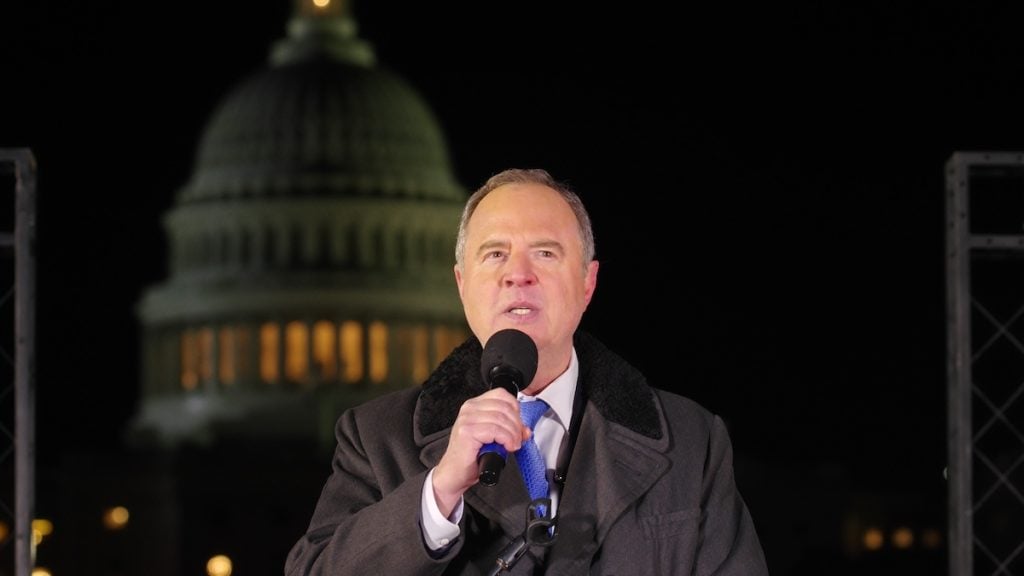
Senate Democrats led by Adam Schiff demanded Selig reverse course, arguing the interpretation “directly conflicts with active court orders.”
They asked the CFTC to state, at minimum, that geographic restrictions imposed by court order or adopted to comply with IGRA or tribal-state compacts do not violate the rule. The senators requested a response by Nov. 23, but one has not been made public as of Tuesday morning.