KEY TAKEAWAYS
- MGM Resorts International and BetMGM are the first gambling operators to confirm they withdrew the National Council on Problem Gambling memberships specifically because of the council’s work with Kalshi.
- The operators follow several state regulators and responsible gambling organizations in quitting the national non-profit after Kalshi donated $2m to the council and joined its Leadership Council.
- The NCPG says that pushback has not changed its position on working with Kalshi or other prediction market platforms.
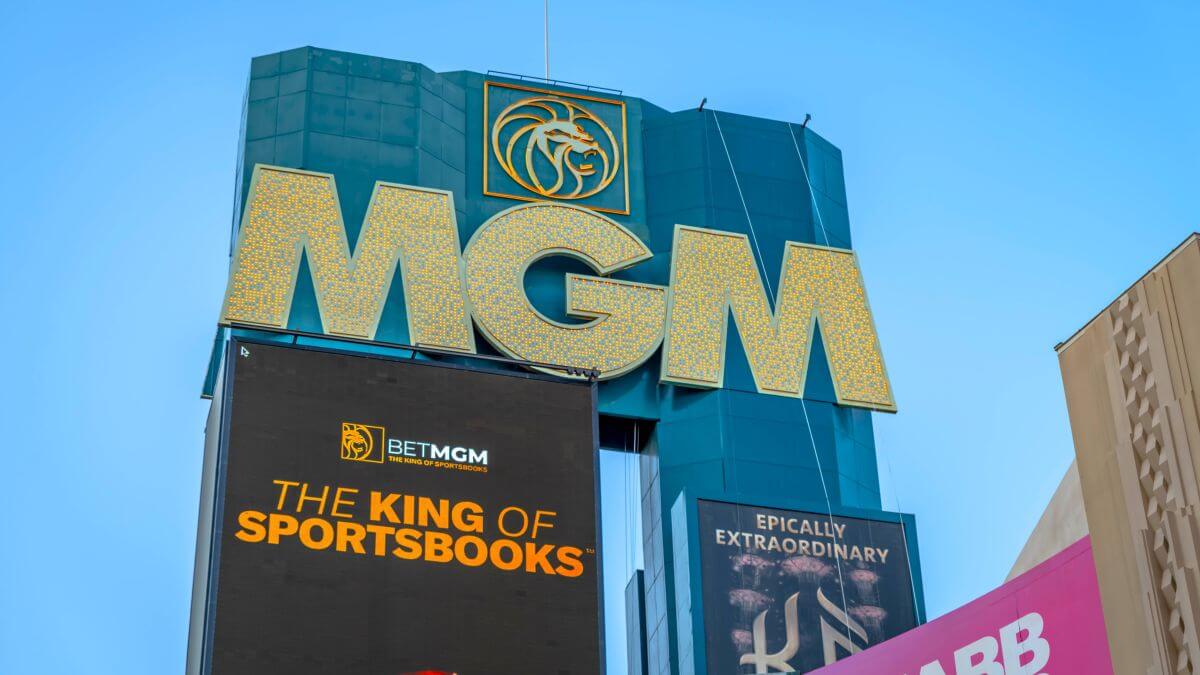
MGM Resorts International and BetMGM quit the National Council on Problem Gambling (NCPG) with immediate effect last week, citing the council’s choice to work with Kalshi.
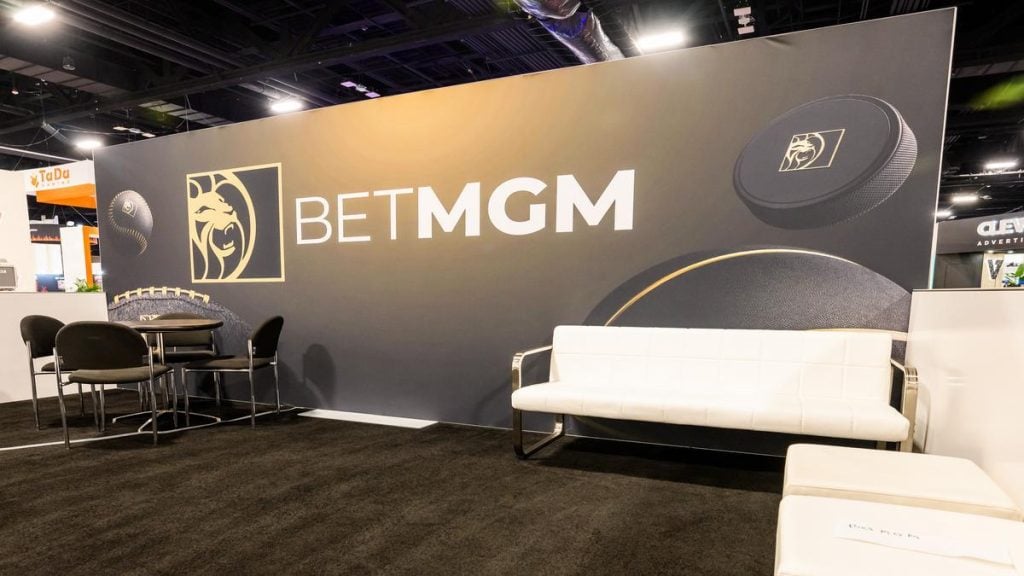
“NCPG’s decision to embrace Kalshi as a member and the circumstances under which this decision was made lead us to conclude that we no longer share the established principles NCPG once stood for,” wrote MGM Resorts and BetMGM’s respective chief compliance officers, Stephen Martino and Rhea Loney, in a Nov. 18 letter obtained by SBC Americas.
BetMGM Director of Responsible Gambling Richard Taylor also resigned his seat on the NCPG board of directors as part of the operators’ withdrawal. Taylor joined the board on July 1, 2026.
The MGM entities are the first gambling operators confirmed to withdraw from the national non-profit as a result of Kalshi’s involvement with the council. Several state gambling regulators left the council earlier this year.
Why did MGM, BetMGM quit NCPG?
MGM and BetMGM did not offer SBC Americas any additional comment, but the letter to NCPG Interim Executive Director Charles Jeffers and board chair Derek Longmeier outlined their reasoning for quitting the council.
Martino and Loney wrote that Kalshi positions gambling as an investment or a way to make financial returns, and allows users as young as 18 to trade, as well as appearing to target young people with advertising on TikTok.
“No organization should understand the risks Kalshi and other prediction markets pose to responsible gaming more clearly and urgently than NCPG,” read the letter from MGM Resorts and BetMGM. “… Suggesting that sports betting on Kalshi is an easy ticket to financial success is an open invitation to every form of problem gambling that NCPG and responsible gaming programs are supposed to confront, not legitimize.”
The MGM letter also stated that Kalshi not only ignored state gambling laws but actively battled against them in courts across the country.
Martino and Loney said the prediction markets company “openly flouts” regulatory safeguards while it offers nationwide access to trading on sports and other categories. They added that because Kalshi and other prediction markets do not pay state gambling taxes for their products, they ultimately reduce funding for problem gambling initiatives.
“NCPG not only glosses over these facts, which should disqualify any organization from membership, but by welcoming Kalshi, NCPG actively confers legitimacy on its business model and leaves the public with the mistaken impression that prediction markets adhere to the same consumer protections, licensing requirements, responsible marketing standards, and regulatory oversight as legitimate sports betting operators,” concluded the letter.
MGM and BetMGM worked with the NCPG as part of their wider efforts to promote responsible gambling. The operators said those efforts will continue, but without official collaboration with the council.
Unlike some other NCPG members including DraftKings and FanDuel, BetMGM has not entered the world of prediction markets. BetMGM CEO Adam Greenblatt and MGM Resorts CEO Bill Hornbuckle publicly labeled sports event contracts as illegal sports betting and said they will not risk endangering their relationships with state gaming regulators by offering the products. Caesars Entertainment takes a similar stance.
NCPG staunch on prediction markets stance amid pushback
An NCPG spokesperson told SBC Americas on Monday that it is not reconsidering its work with Kalshi or its larger push to engage with prediction market operators after the MGM exits and other members’ departures.
“Recent changes in membership have not changed the organization’s position,” the spokesperson said.
The spokesperson also reiterated the NCPG message from September that membership or donation acceptance do not imply its endorsement or influence its policy position or advocacy.
“Engagement has never required agreement on every legal, regulatory, or commercial issue, nor has it compromised our independence. Our responsibility remains to the individuals and families affected by gambling-related harm, regardless of the legal classification of a product or the identity of its operator.”
NCPG also told SBC Americas that MGM and BetMGM’s decision to leave undermines the shared mission of the council and its industry members.
“There is a difference between taking a stand and making a difference. Walking away from NCPG over its engagement with prediction market operators may send a political message, but it does nothing to prevent gambling-related harm. The risks associated with prediction markets will not disappear because organizations refuse to engage …
“Organizations that choose to withdraw their support over who NCPG engages with are putting politics ahead of addressing harm, undermining a shared mission that should transcend organizational interests.”
Council members quit over Kalshi deal
MGM Resorts and BetMGM’s withdrawal from the council continues a chain reaction to Kalshi’s membership of NCPG.
Member organizations from several states cited the council’s work with Kalshi as their reasoning for withdrawing, including:
- Michigan Gaming Control Board (MGCB)
- Nevada Council on Problem Gambling
- Ohio Casino Control Commission (OCCC)
- Washington State Evergreen Council on Problem Gambling
Those states are engaged in court battles with Kalshi over the legality of the company’s sports event contracts.
How did Kalshi become an NCPG member?
The NCPG and Kalshi announced in May that the company became the first prediction market operator to join the organization. The partners said the collaboration includes the mutual development of educational resources for responsible trading and financial products.
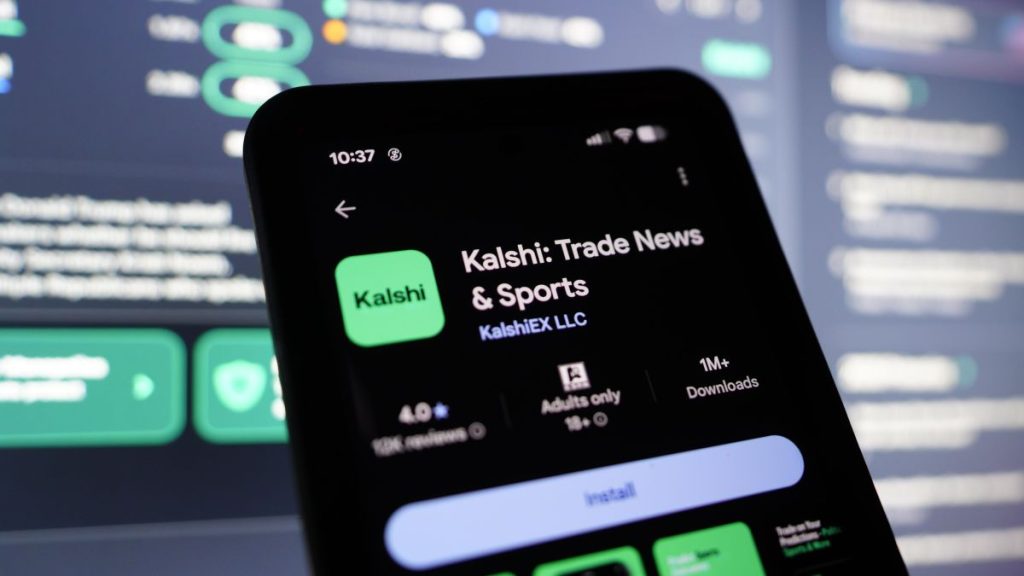
Kalshi donated $2m to the NCPG, which it said would support traders’ health and safety. NCPG will use that donation funding for three areas:
- Developing industry standards for consumer protection on trading and prediction market platforms
- Educating the public about the risks of prediction markets and financial trading
- Promoting responsible trading policies, player-protection tools, and access to support services
Kalshi became both a platinum member of the council and a member of its Leadership Circle. Both of those statuses are based on the dollar amount of fees paid, and Kalshi’s donation qualified it for both by default.
Currently, NCPG board approval is not required for membership or acceptance of donations. However, in September 2026, the board adopted a temporary policy that requires the board executive committee to review any proposed new donation over $50,000 before the NCPG accepts or enters into an agreement related to the funding.
“This interim process will remain in place pending a permanent donation acceptance policy and process by the NCPG Governance Committee,” the council told SBC Americas.
NCPG pursues collaboration with prediction market industry
When Kalshi donated to NCPG, it became the first member of the council’s new Financial Services & Trading Subcategory. That subcategory was not created for Kalshi specifically. Discussions about establishing it pre-dated the arrival of former Executive Director Heather Maurer, who resigned in late September, after the new board donation policy was implemented.
Another gambling operator that offers predictions products, Betr, is also a member of the Financial Services & Trading subcategory alongside gambling-related financial counseling organization GamFin. Those two companies are silver members of the NCPG, while Kalshi is the only platinum member of that subcategory.
The NCPG engaged in discussions with Kalshi as part of the council’s ongoing outreach efforts to engage the prediction market space and other financial platforms. The NCPG positioned the subcategory and its work with Kalshi as an attempt to confront the risks and harms of financial trading, which Longmeier said share many similarities with gambling risks and harms.
“Prediction markets are functionally gambling, and they have exploded in popularity,” Longmeier told SBC Americas last month. “The people who develop problems on these platforms deserve the same protections as anyone else who gambles. NCPG’s goal in engaging these companies is the same as it has been with every other part of the industry for more than 50 years … We hold every operator to the same principles, regardless of who regulates them, and our positions are never for sale.”