
KEY TAKEAWAYS
- The Second Circuit appeals court denied Kalshi’s requests for injunctions pending appeals in New York and Connecticut, as well as Coinbase’s similar appeal in Connecticut.
- Federal courts in both states ruled against Kalshi this summer, and each state subsequently sued the company in state court to force its sports event contracts offline.
- The denial is the latest circuit appeals ruling against prediction markets, as Kalshi prepares to file a response to New Jersey’s Supreme Court petition by Dec. 7.
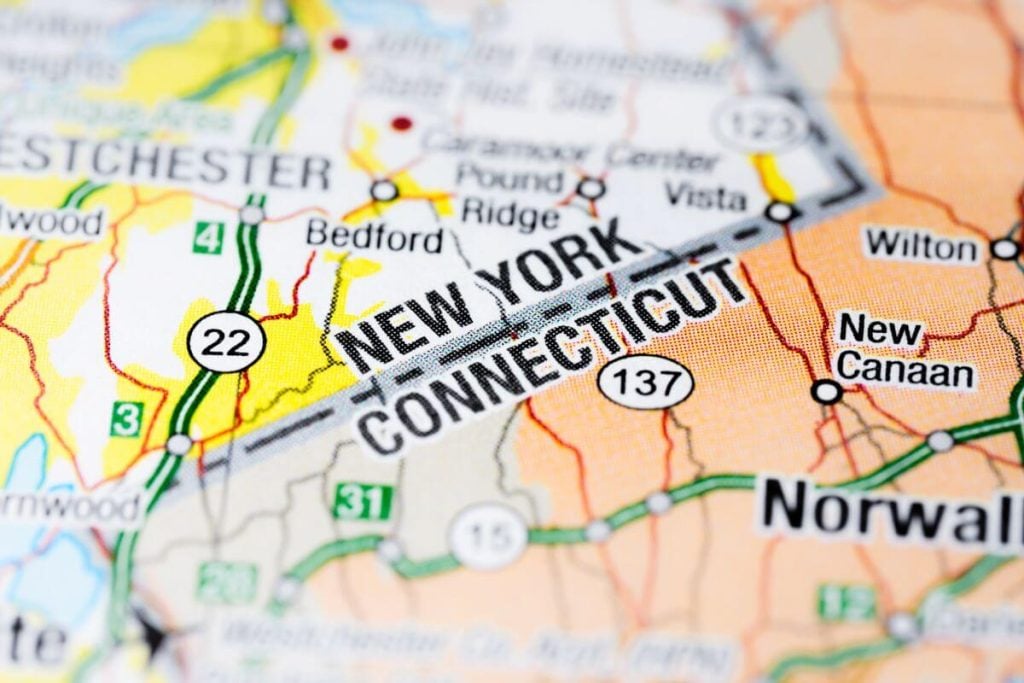
The U.S. Court of Appeals for the Second Circuit denied Kalshi requests for temporary relief against New York and Connecticut authorities, as well as Coinbase’s similar motion for a preliminary injunction in the latter state.
A three-judge panel ruled on Tuesday, Nov. 3, that the prediction market companies are not entitled to stop regulators in the state from pursuing enforcement action while their respective cases continue.
The combined decision encompassed:
- Kalshi’s litigation with the New York State Gaming Commission (NYSGC)
- The operator’s court fight with the Connecticut Department of Consumer Protection (DCP)
- Coinbase’s battle with Connecticut Attorney General William Tong and other state officials
“Upon due consideration, it is hereby ordered that the motions are denied because appellants have failed to make the required showing that an injunction pending appeal is warranted,” the court order states. The order did not include any details about the rationale behind the decision.
The ruling would appear to open the door for New York and Connecticut officials to pursue further enforcement actions against the company’s sports event contracts, which they argue are functionally similar to the kind of sports betting product licensed, regulated, and taxed by the states.
How Kalshi NY, CT lawsuits reached Second Circuit
The Second Circuit declined Kalshi’s request for injunctions pending its appeals after federal courts in each state denied the company a preliminary injunction, first in New York in July and subsequently in Connecticut in August.
New York federal Judge Analisa Torres determined that the state’s gambling laws are not preempted by the Commodity Exchange Act (CEA), and Connecticut federal Judge Vernon Oliver wrote in his opinion that the sports event contracts do not meet the definition of a swap under the CEA.
Kalshi appealed both decisions to the Second Circuit, which combined them into one motion, along with Coinbase’s appeal of Judge Oliver’s August ruling that Connecticut could continue to pursue its lawsuit alleging that the company’s sports event contracts constitute illegal gambling. Coinbase offers sports contracts via Kalshi.
In the wake of those federal court rulings, both New York and Connecticut soon went on the offensive against Kalshi in state court, emboldened by those rulings:
- New York Gov. Kathy Hochul and Attorney General Letitia James sued Kalshi in state court on July 31, seeking approximately $36bn in financial penalties, including disgorgement, restitution to customers, and fines based on the money it made from the products in the Empire State.
- Connecticut AG Tong, Gov. Ned Lamont, and the DCP filed their own state court lawsuit against the firm four weeks later.
In both cases, Kalshi applied to move the litigation to federal court, but each state submitted a motion to remand its respective case back to state court in September.
Hochul, James, Tong, and Lamont won re-election in the midterms the same day that the Second Circuit issued its ruling.
Circuit court rulings stacking up in favor of states
The Second Circuit’s denial of injunctions pending appeals adds to a lengthening list of Circuit Court decisions siding with states against prediction markets in 2026.
- The Ninth Circuit denied Kalshi’s appeal against Nevada in late August in a 3-0 decision.
- The same appeals court ruled in mid-September in favor of two California tribes that argued that Kalshi’s event contracts violate the Indian Gaming Regulatory Act (IGRA).
- The Sixth Circuit issued its own unanimous 3-0 verdict in September, allowing Ohio and Tennessee to pursue enforcement actions against Kalshi.
Following that Sixth Circuit ruling, Ohio expanded its crackdown against other prediction markets operators, including Coinbase.
Meanwhile, on Wednesday, Ninth Circuit judges denied Kalshi’s request for a rehearing en banc against Nevada.
The only major federal appeals court ruling in favor of prediction markets, the Third Circuit’s 2-1 ruling in favor of Kalshi against New Jersey in April, is the basis of New Jersey’s petition to the Supreme Court to take up the case in the nation’s highest court. SCOTUS recently granted Kalshi a second extension to file its response to that petition, pushing the date back to Dec. 7.