KEY TAKEAWAYS
- New York City Council investigators found Kalshi users ages 18 to 20 absorbed 17% of individual losses in the city while making up 10.5% of accounts.
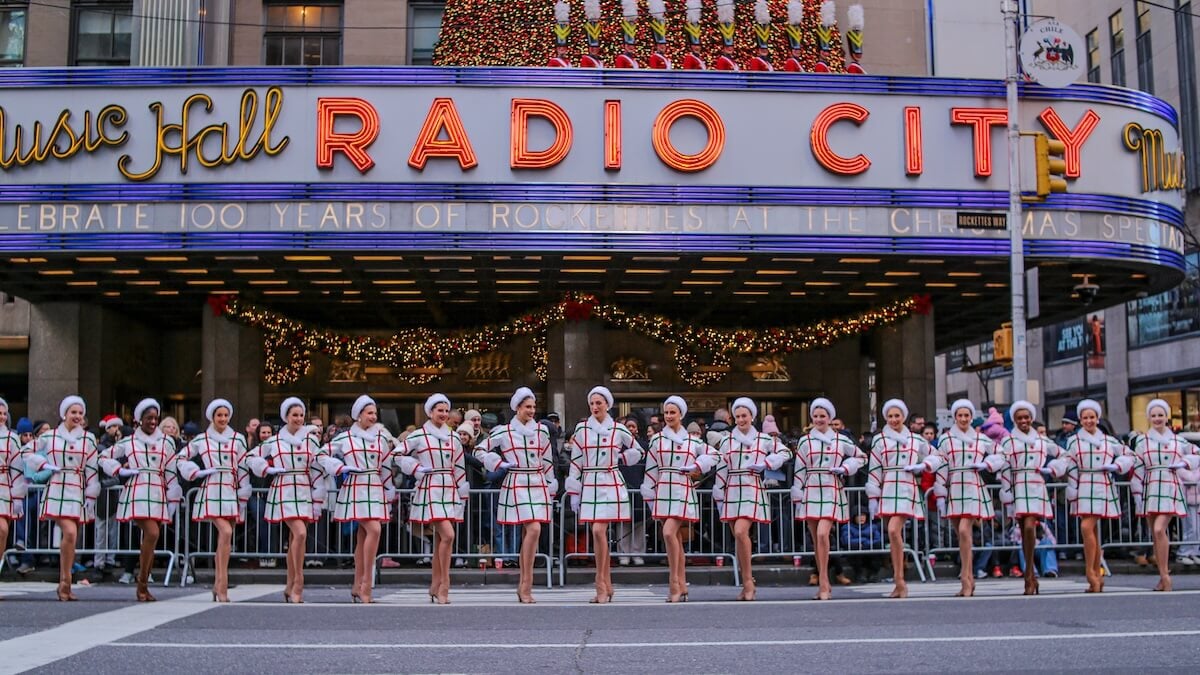
- The findings land one week after a Kalshi logo appeared during the Radio City Christmas Spectacular, a family show New York sportsbooks would likely avoid.
- Kalshi faces a Nov. 30 deadline in state court to propose safeguards for users under 21, and a Council hearing follows Dec. 14.
New York City‘s youngest Kalshi prediction market traders are losing money faster than everyone else, according to a new City Council report.
Speaker Julie Menin released preliminary findings Tuesday from the Council’s inquiry into prediction markets marketing. Using data Kalshi provided, NYC investigators found:
- About 51,000 of the platform’s roughly 484,000 individual New York City accounts belong to users ages 18 to 20, or about 10.5%
- That 18-to-20 group accounted for approximately $8.9m of the $52.5m individual city users lost between Jan. 1 and Nov. 1, or about 17%.
- Another 78,600 New York City accounts belong to users ages 21 to 24.
- The same users generated traded about 1.3m contracts per day against roughly 30m for users 21 and older.
“We are done taking chances with prediction market platforms,” Menin said in the release. “Our investigation found that these companies are targeting young people with deceptive, predatory marketing practices — and tragically, these tactics are working.
“The disproportionate financial and mental tolls on young New Yorkers are simply unacceptable. As a mom and consumer protection attorney, I believe we must end these companies’ predatory marketing tactics.”
The New York City Council’s Committees on Consumer and Worker Protection, Oversight and Investigations, and Mental Health and Substance Use will hold a joint oversight hearing Dec. 14 on the findings and on what the Council calls first-in-the-nation legislation regulating prediction market marketing. Menin sent letters asking executives from Kalshi, Polymarket, Coinbase, Gemini Titan and Novig to testify.
Council concerned about prediction markets targeting youth
Investigators also found Polymarket ran a user-generated content program from January to June designed to create “buzz” among a younger crowd. The program used a mock trading website showing fictitious profits, and a 19-year-old and four interns managed it, according to the Council.
Participants in the Polymarket program were paid “between $20 and a few hundred dollars based on views and received $50 for referrals.”
The findings also said, “platforms employ marketing techniques used in gambling marketing that researchers have identified as encouraging participation, increasing betting and normalizing gambling.”
“The preliminary findings of the Council’s inquiry raise serious concerns about how prediction market platforms are reaching consumers, particularly young New Yorkers who may be especially vulnerable to the risks of these products,” Deputy Speaker Dr. Nantasha Williams said in the release.
“When young adults account for a disproportionate share of financial losses, and marketing practices are designed to encourage greater participation and normalize gambling, we have to examine whether existing consumer protections are keeping pace with this rapidly evolving industry. These findings reinforce why the Council’s oversight is so important.”
Kalshi logo lands at Rockettes show
The findings arrive one week after a Kalshi logo appeared during the Christmas Spectacular Starring the Radio City Rockettes, one of New York’s most family-oriented shows.
New York State Gaming Commission (NYSGC) advertising rules bar licensed sportsbooks from marketing aimed at people under 21. The rules also keep sportsbook ads out of outlets where the expected under-21 share of the audience exceeds the demographic’s share of the state population.
The City Council and Kalshi did not respond to SBC Americas requests for comment on the Radio City ad. A spokesperson for the NYSGC declined to address the Radio City placement, but noted it does not regulate Kalshi, considers prediction markets “unlawful,” and says they “do not comply with New York requirements to avoid marketing to underage individuals.”
The spokesperson pointed to its Risky Bet consumer page, which lists sports wagering with licensed operators, advance deposit wagering on horse racing, charitable online raffles, interactive fantasy sports and authorized lottery sales as the only legal online options in New York.
“Everything else – online casinos (including ones that claim they are sweepstakes), prediction markets, offshore sites, etc. – is unlawful in New York State,” the spokesperson said. “These operators, despite any claims they may make, are not required to have certain patron protections, safeguards against underage play and gambling harms, approved house rules, or wager integrity controls in place.”
Judge presses Kalshi on age limits

The age question also now sits at the center of the state’s case against Kalshi.
New York Supreme Court Justice Melissa Crane on Monday denied Attorney General Letitia James‘s request for a temporary restraining order that Kalshi warned could shut down its exchange nationwide. But Crane said she was “very concerned” about users under 21.
Kalshi attorney Grant Mainland said the company was “open to engaging” on a form of “interim compliance” for sports and culture contracts during the litigation.
James also targets the age issue in the state’s lawsuit against Polymarket, which alleges the platform accepts users ages 18 to 20 even though New York requires mobile sports bettors to be 21.
Kalshi, which permits users 18 and older nationwide, introduced default $2,500 monthly deposit limits for 18- to 20-year-olds last month. It also placed those users in special accounts with added alerts and trading education.
Institutional prediction markets accounts are winners
The City Council found that from Jan. 1 to Aug. 11, individual New York City users lost $17.6 million in total. In that same time frame, institutional users profited more than $210m.
From Aug. 12 to Nov. 1, individuals lost $34.9m in aggregate, while institutional users gained $130.7m.
“Too many New Yorkers, especially young adults, have already fallen victim to the deceptive marketing tactics these companies use to pull them in and wring them dry — which is why we have to act fast, and we have to act now to hold these corporations responsible,” Council Member Shekar Krishnan said in the release. “As Chair of the Committee on Oversight and Investigations, I’m extremely concerned by what we’ve been seeing and recognize this issue as a top priority.
“This upcoming Council hearing is the first of many steps the Council is taking to keep New York consumers safe and end these deceptive practices.”