
The proliferation of sports event contracts from prediction markets creates uncertainty for federally recognized tribes, prompting discussions about how they can respond to threats to tribal sovereignty.
On Wednesday, tribal responses to the rapid expansion of sports event contracts was discussed on The New Normal webinar hosted by Indian Gaming Association (IGA) Conference Chairman Victor Rocha and IGA Executive Director Jason Giles.
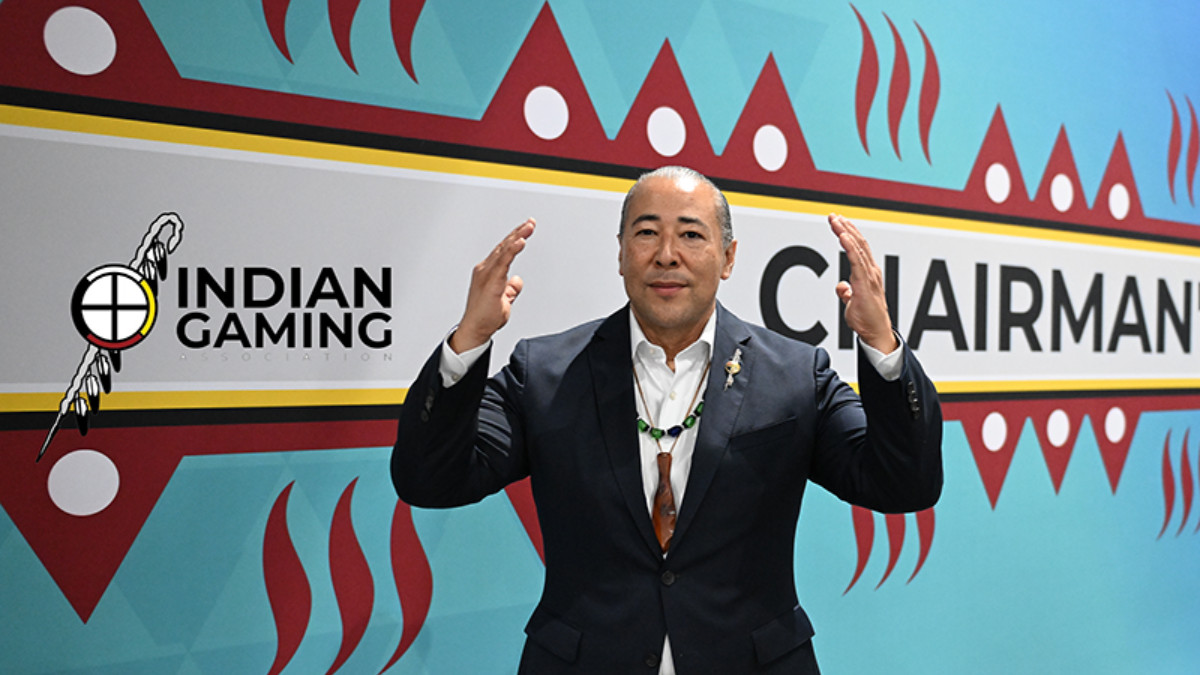
This week’s webinar included IGA Chairman David Bean of the Puyallup Tribe of Indians, who provided insights into steps tribes can take to combat sports event contracts.
IGA believes Supreme Court intervention imminent
Several federally recognized tribes have engaged in legal proceedings in state and federal courts across the country, but as lawsuits continue, key stakeholders in tribal gaming recognize that legal disputes involving sports event contracts aren’t going away anytime soon and could eventually reach the U.S. Supreme Court.
The Supreme Court could hear cases involving prediction markets as the Commodity Futures Trading Commission (CFTC) and its Chairman Michael Selig integrate themselves into lawsuits in support of prediction markets offering sports event contracts.
Most recently, the CFTC filed an emergency declaration in New York to allow Kalshi to continue offering sports event contracts despite a state order to shutter the offerings. The emergency declaration was filed after New York’s attorney general filed a $36 billion lawsuit against Kalshi last month for “conducting sports gaming without a license.”
“Chairman Selig of the CFTC is coaching this industry to prep them for the Supreme Court,” said Bean during the webinar. “In the history of the United States, when have you seen a regulatory agency advocating for the people that they’re supposed to regulate?”
Bean believes the CFTC is coaching prediction markets and other stakeholders in gaming to prepare them for legal action in the Supreme Court, but he also recognizes the role tribes can play in advocating for legal and regulatory enforcement action against sports event contracts, particularly notifying lawmakers of the impact of the products on tribes.
“We’re going to step up the efforts of educating Congress about how this is not just impacting Indian country but the 760,000 jobs that the Indian gaming industry generates around the nation, and the taxes that we generate for the local economics and the national economy,” continued Bean.
Preparation key to combating sports event contracts
The desire to work with Congress to combat the proliferation of sports event contracts comes as prediction markets suffer both wins and losses in courts across America. The proceedings have led to companies like Kalshi exiting Nevada. Meanwhile, other states are viable markets for prediction markets as the CFTC steps in to support the platforms.
“We have to focus on Congress and prepare for litigation,” continued Bean. “This is going to head to the Supreme Court eventually as we have different circuit courts offering different opinions on the issue.”
The influx of legal issues has led IGA to work with the National Congress of American Indians and the Native American Rights Fund to allow tribes throughout the U.S. to continue being at the forefront of the proceedings by filing cases of their own against prediction markets.
“We’re going to work with the facts on the ground, and that’s where our tribal gaming and tribal governments come into play,” said Giles. “We’ve got to continue to go after these prediction markets and bring maybe our own cases in tribal courts against these guys.”
IGA leadership also acknowledges the challenges in battling prediction markets and the CFTC on the sports event contract issue. Bean noted the involvement of cryptocurrency, prediction market, and fintech companies in political elections in markets across the country and the influence monetary support has on addressing sports event contracts.
“They’re making campaign contributions and folks on both sides of the aisle are afraid to piss off prediction market and cryptocurrency folks,” added Bean.
The fight against sports event contracts and prediction markets will continue to be at the forefront of gaming discussions for federally recognized tribes, but providing education and taking a cohesive approach to the issue is the next course of action in attacking the issue.
‘We need to have all hands on deck. We’ve got to reach out to tribal leaders for their assistance. There’s going to be a ton of work to do, and we have a good team,” closed Bean.