New online sports betting markets don’t come around in the U.S. very often these days, and new online casino states are even rarer.
Which states could expand online gambling in the remainder of 2026 or next year?
Online gambling advocates outlined their hopes and aims on a VIXIO webinar on Wednesday entitled ‘The State of Play: Lessons learned from 2026 U.S. legislative sessions‘.
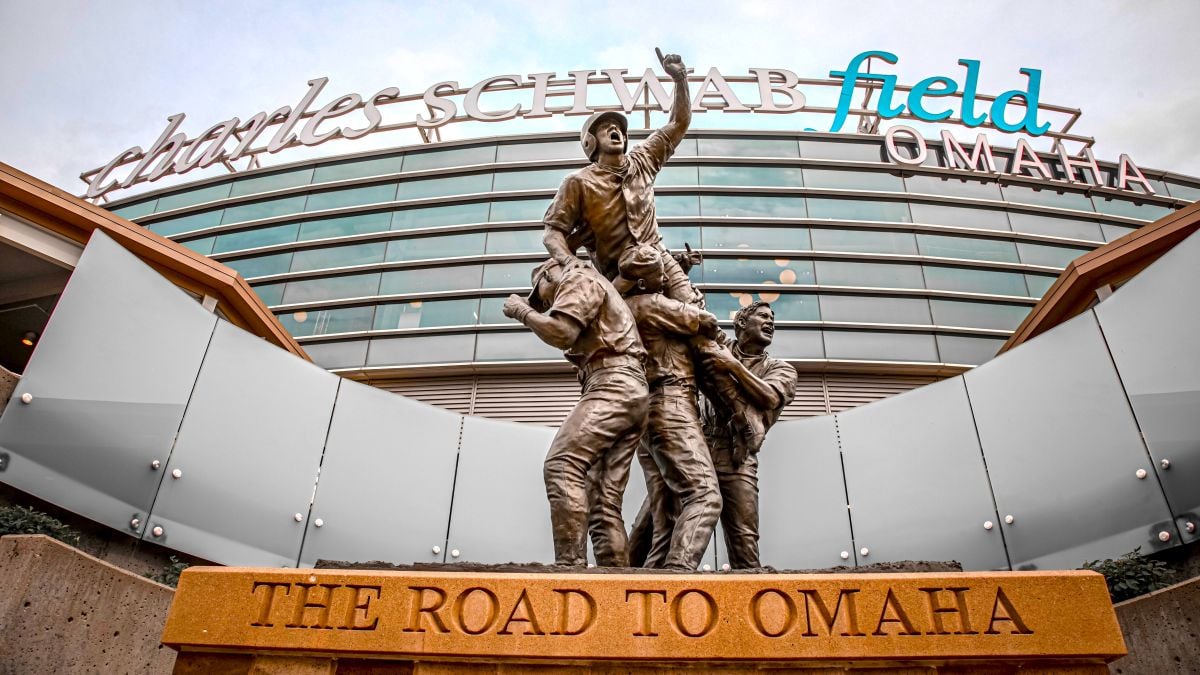
Is Nebraska online betting next on deck?
Missouri was the only state to open a new sports betting market in 2025, doing so in December after high levels of lobbying spend from the SBA and its members. This year, Wisconsin signed off on tribal-run sports betting in April, although that yet-to-launch market is now subject to a legal challenge.
Sports Betting Alliance (SBA) Chairman Jeremy Kudon is hopeful that “three or four states” will legalize sports betting in the not-too-distant future. Most immediately, the SBA and its members have invested in efforts to get Nebraska to put legal online sports wagering on its ballot for the upcoming election season, after past efforts stalled to add online to the state’s existing in-person option at physical casinos and racetracks.
“I feel confident with the polling, and I think it all will come down to whether there’s opposition,” Kudon said on Wednesday.
Nebraska Public Media reported in late June that FanDuel and DraftKings each donated around $3.5m to that cause. The in-state WarHorse Casino‘s Director of Government Relations Lynne McNally told the Nebraska Examiner that a petition seeking a constitutional amendment to legalize online sports betting garnered more than 201,000 signatures.
“The Nebraska ballot initiative will certainly be an interesting barometer of public support for [online] sports betting,” added iDEA Growth State Advocacy Director John Pappas. “I do think from what I’ve seen there should be significant support there.”
Elsewhere, Kudon suggested that recent noises out of Alabama indicate that the state could finally be ready to have the conversation. “I think you’re going to see a big play next year for sports betting and maybe the lottery for the first time,” said the SBA Chairman.
Prediction market effect will be ‘helpful’
Key context in Alabama, as well as other states where online sports betting is currently illegal, is the nationwide spread of prediction market sports contracts. In virtually every U.S. state, regardless of whether regulated sports wagering is in place, residents can fire up apps like Kalshi and Polymarket to wager on sports.
Kudon and Pappas noted that some states have long had obstacles in the way of legalizing sports betting, labeling them “problem states” for online gambling advocates. But the 2026 landscape looks very different than 2024.
“It’s certainly going to be helpful,” Pappas said. “It definitely raises the argument that this is happening right now. We already knew it was happening with the illegal market, but with all the advertising and popularity of these [prediction market] products, it’s much more in the face of lawmakers now. It’s very apparent that there is some form of sports wagering occurring in their state.”
Kudon referenced Georgia, where the push to add sports betting reached the House floor this year for the first time before stalling. He called that “huge progress” for legalization efforts and noted that as one state where the prediction markets effect had a say.
“A lot of members were saying to us, ‘Kalshi’s out there, we should do this’,” Kudon added. “That’s something we’re definitely sensing or hearing in Alabama … I don’t know if it’s going to make a difference in tribal in the tribal states, other factors will weigh on those states. But I think it’s going to be helpful in the Nebraska ballot initiative in November, and it is part of the key to unlocking these remaining states …
“I’m very hopeful that we maybe get a couple wins before the end of the year. But I think the most important thing is to be focused on 2027.”
Which states might legalize online casino?
Meanwhile, 2026 repeated an annual pattern of some of the 30-plus legal online sports betting states considering expanding into online casino gaming.
Maine formally legalized tribal-led online casino in January, but its market — which, like Wisconsin sports wagering, is also subject to a court challenge — will be only the eighth iGaming state. Virginia came the closest to following suit this year, but approved online casino legalization bills died in conference.
Kudon and Pappas hope that the new gambling climate will force the issue on the casino front.
Kudon believes Virginia will get over the line sooner rather than later, describing it as “a makeable putt.” He also revealed that around 80% of the SBA’s budget priorities are focused on iGaming now, and suggested that SBA members’ increased engagement in political and legislative processes “is really starting to pay off.”
A familiar iGaming revenue argument
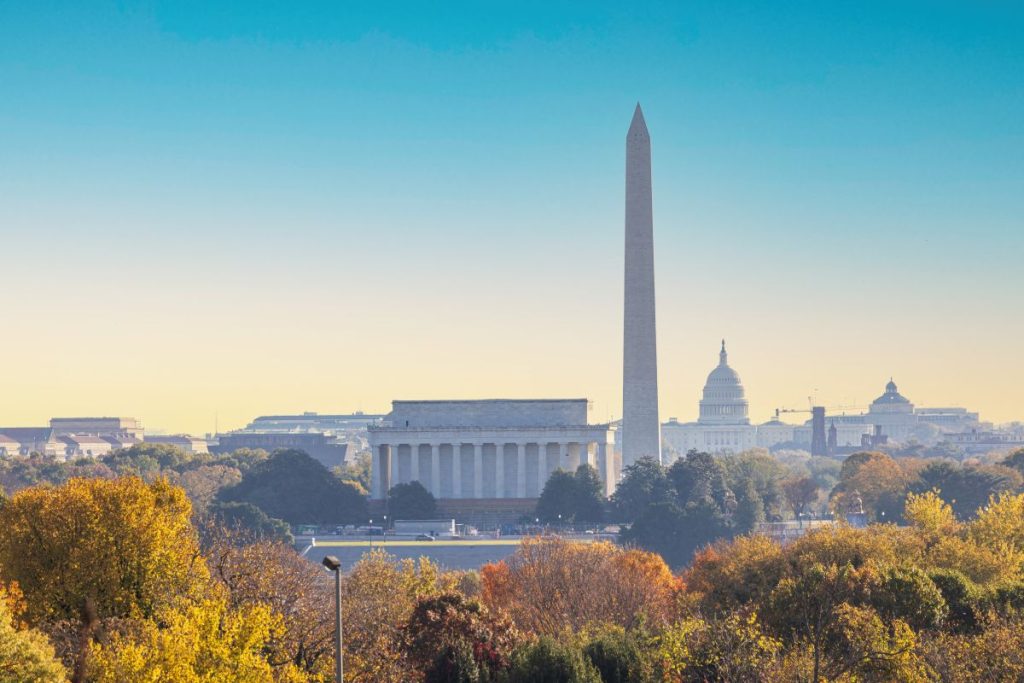
Meanwhile, D.C. resident Pappas voiced confidence that the District, which expanded its online sports betting market in 2024, will consider online casino seriously once its Council reconvenes this fall.
“The District is desperate for revenues, and I’m hearing from a lot of the councilmembers about the illegal market and the advertising they see,” Pappas noted. “I think that’s going to be a really interesting state or jurisdiction to look at in the next two months.”
Making up budget deficits is often cited as a major reason to expand online gambling, given the tax revenues and the indirect economic contributions that advocates say it offers. Kudon said that’s why New York, a state in which iGaming bills are filed every year, “is always in play”, pointing to its $12bn deficit at the state level.
“At some point, it’s hard to overlook the number one potential source of revenue,” Kudon said.
However, Pappas acknowledged that iGaming is a tough sell for lawmakers, perhaps more so than sports betting.
“Sports betting was an easy yes for a lot of people in gaming or gaming-adjacent industries because it was something they didn’t have before,” he noted. “Casino games are readily available in almost every state, whether it’s an HHR machine or a VLT or a live commercial casino or tribal casino. So when you’re adding the digital element to it, there becomes a lot more competitiveness as to who gets it, who controls it, who benefits from it.
“That’s why I think iGaming slowed down, and I don’t think that’s going to change … Lawmakers hear arguments from both sides and they say, ‘Well, maybe the best thing to do is nothing, and hope that this goes away.’ But the reality is it’s not going away.”