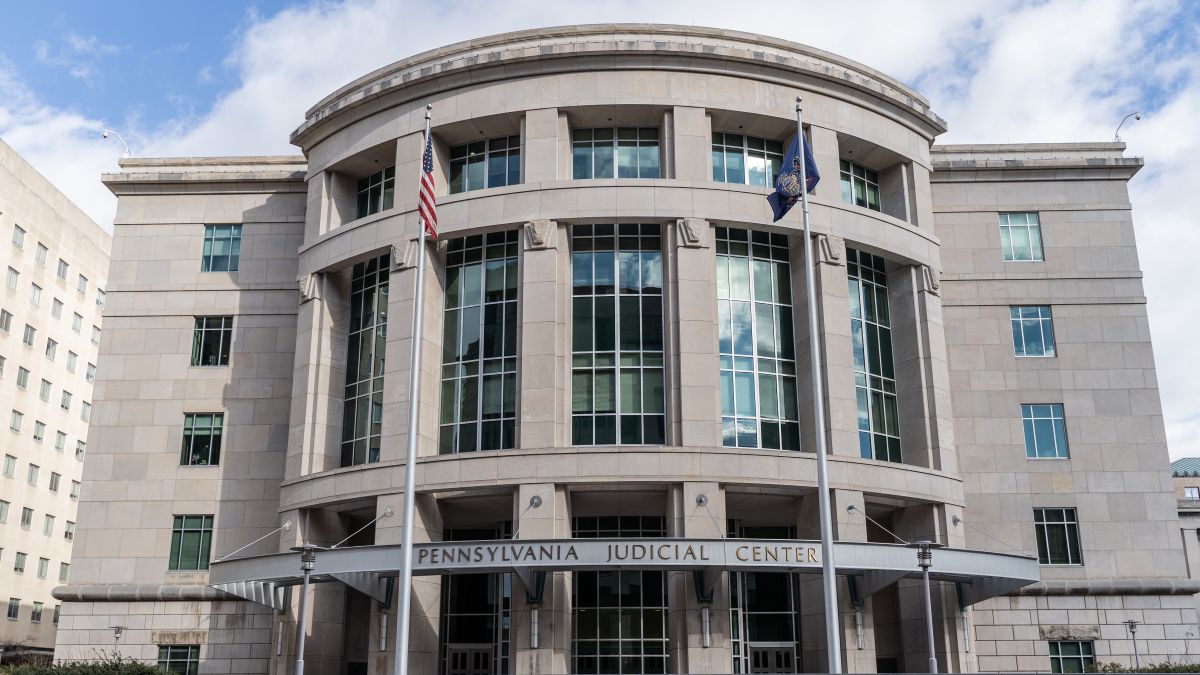
Physical skill games are functionally similar to slot machines and therefore illegal under state law, the Supreme Court of Pennsylvania ruled on Monday.
The state’s highest court’s verdict overturns two lower court rulings in 2023 and 2024 that had allowed the kind of skill gaming machines found in retail and hospitality locations to operate in a grey area.
Justice David Wecht’s opinion, issued on June 15, found skill games illegal under the Pennsylvania Gaming Act and the state’s Crimes Code. In particular, he found that an amendment made to the Gaming Act in 2017 that specified that the definitions of a skill or hybrid slot machine “make abundantly clear that the ‘skill’ element of the subject devices is not legally significant.”
“The Commonwealth Court’s interpretation of the governing statutes, upon which the legal status quo wholly depends, is deeply flawed,” wrote Wecht. “The Commonwealth Court was incorrect on both points. Under a plain reading of the law, ‘skill game’ devices are subject to both the Gaming Act and the Crimes Code. We accordingly reverse the orders of the Commonwealth Court … It is not this court that declares ‘skill games’ to be unlawful. Rather, it is the General Assembly that did so nearly a decade ago.”
The court’s judges split a 4-2 vote in favor of his opinion.
Pennsylvania AG Sunday hails ‘significant victory’
Pennsylvania Attorney General Dave Sunday’s office estimates there are roughly 70,000 skill game machines in operation in the state. State legislators and brick-and-mortar casinos have lobbied for the state to take a firm hand in restricting skill games, which are not subject to gambling taxes under Pennsylvania’s regulatory model.
Sunday said in a public statement that the court decision represents a “significant victory for consumers, taxpayers and the rule of law in Pennsylvania.”
“The Supreme Court recognized what our office has argued from the beginning – these machines operate as gambling devices and cannot legally exist without the same oversight, regulation and accountability as other forms of legalized gaming in the Commonwealth,” Sunday added.
Pace-O-Matic, the company whose games were central to the two lower court cases, warned in a statement that the Supreme Court opinion “will have far-reaching consequences, with more than 10,000 Pennsylvania small businesses and fraternal clubs becoming the real victims”. Charitable gaming organization PlayPA for Charity added in an emailed statement that the court ruling also will have “an immediate negative impact” on the revenue of veterans’ organizations and charitable clubs.
The court ruled that Pennsylvania authorities cannot begin taking law enforcement measures against skill game operators or owners for 120 days after the June 15 opinion, noting “the potential disturbance that our correction of the prevailing case law may cause to business owners and other good-faith participants in the industry.”
Judge invites Pennsylvania legislators to regulate… if they want to
Judge Wecht also recognized that the court’s opinion is a legal verdict, not necessarily a recommended policy measure. He noted that Pennsylvania’s General Assembly may want to choose to pass legislation to regulate skill games rather than to ban them entirely, an idea which has been proposed in several pieces of legislation, including this year’s House Bill 2557 which currently resides in the Gaming Oversight Committee on June 1.
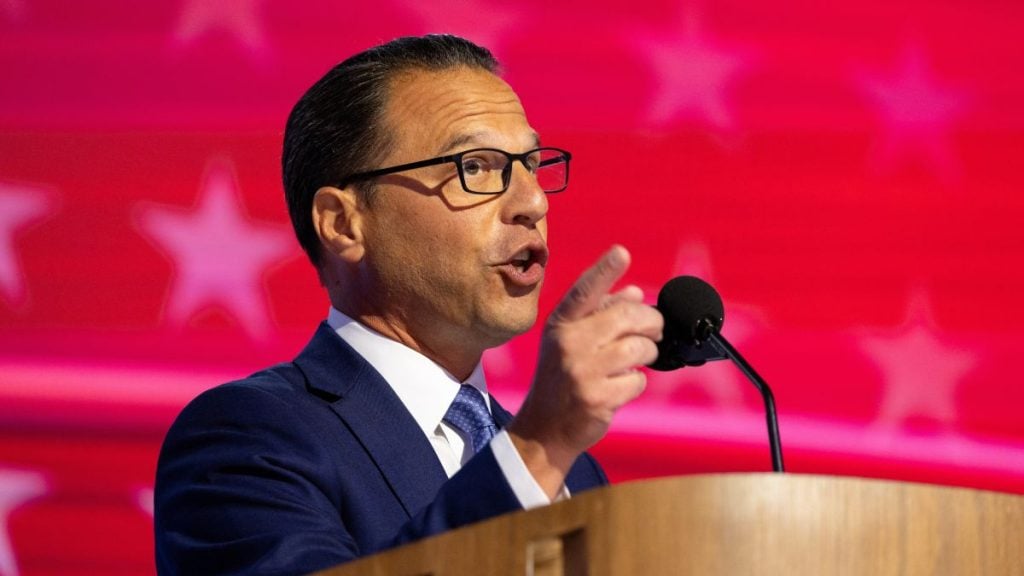
Meanwhile, Gov. Josh Shapiro’s 2026 executive budget proposal included a potential 52% tax on gross terminal revenues from skill games, which his office estimated could generate more than $2bn per year.
“Naturally, because all that follows is a consequence of statutory law, our General Assembly also remains free at any time to take whatever legislative action it may deem appropriate,” reads the state Supreme Court opinion. “To that end, we emphasize that our decision today does not rely upon, and does not constitute an endorsement of, any particular policy view concerning the proliferation of ‘skill games’ throughout our Commonwealth.
“Determining and manifesting the ‘public policy’ of Pennsylvania is the prerogative of the legislative branch of our government, not this judicial branch, and it is a prerogative that the General Assembly already has exercised. To put it more plainly, how one feels about access to ‘skill games’ or other types of slot machine — or about the broader legalization and normalization of gambling in our society, for that matter—is irrelevant. This is, rather, a matter of straightforward application of existing statutory law.”
Casinos will be pleased, says Citizens analysts
In a note issued on Tuesday, Citizens analysts Jordan Bender and Isabelle Slavin suggested that the ruling could result in a material boost for Pennsylvania’s land-based casinos, with several operators likely to see incremental increases in revenue, including:
- PENN Entertainment
- Boyd Gaming
- Churchill Downs
“We believe these machines compete directly with traditional brick-and-mortar casinos,” wrote the analysts. “… Under a scenario in which the machines are removed from the state, we would expect the state’s brick-and-mortar casinos, which generated $3.4 billion in gaming revenue in the TTM [trailing 12 months], to recapture a portion of displaced demand.”
The Citizens analysts also noted that “some slot-oriented customers migrate to digital channels,” offering potential for “a modest tailwind” for licensed online gaming operators such as:
- DraftKings
- FanDuel
- BetMGM
- BetRivers
“After years of legal uncertainty, the Supreme Court’s decision provides a clearer framework and sets the stage for several potential outcomes, all of which appear positive for companies within our coverage universe,” added the Citizens note.