
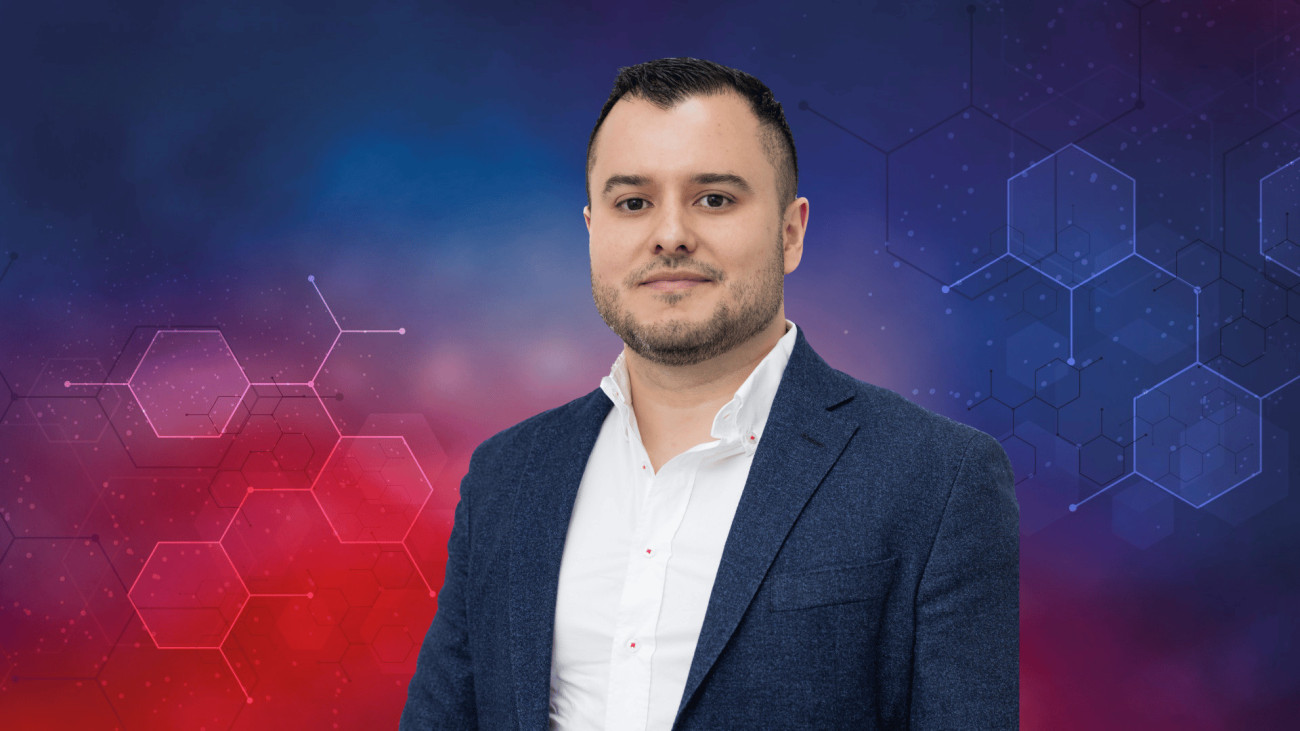
By Andrés Blanco, Managing Director, Gamanza Engage
SBC Summit Americas was a great show this year, and it left me with one impression above all others. In Latin America, gamification has stopped being treated as a marketing feature. It is now treated as a core retention strategy. That shift, which only a year ago felt like a prediction, is now simply how the most serious operators in the region think.
The shift shows up first in the questions operators ask. A year ago the conversation in Latin America was still exploratory – what is gamification, does it move the numbers, is it worth the integration effort. Now it is operational.
Operators are asking how quickly they can deploy missions and tournaments, how to measure the return, and how to run engagement through the World Cup. That is the language of a market that has made up its mind.
It reflects something happening across regulated Latin American markets. Acquisition is getting more expensive, players have more choice, and operators have realised that sustainable growth does not come from ever larger bonuses. It comes from engagement – giving players a reason to return that is built into the product rather than bolted on as a promotion. Missions, tournaments, prize drops, connected CRM, power-ups and jackpots are not marketing decoration. They are retention infrastructure.
Three forces are accelerating it. The first is regulation: Latin America is not one market but many, and licensing is arriving at a different pace in Brazil, Peru, Colombia and beyond, so engagement has to be built to flex to each set of local rules.
The second is the Latin American player, who is overwhelmingly mobile-first, highly social and deeply invested in sport – a combination that makes interactive, event-driven engagement land harder here than almost anywhere, and never more so than in a World Cup year.
The third is artificial intelligence, which lets operators tailor missions, rewards and timing to the individual player at a scale manual campaigns never could. Together they turn engagement from a nice-to-have into a requirement.
At Gamanza Engage we are seeing this in practice. Our partnership with BetSW3, which powers up to 30 brands across Latin America and serves more than two million monthly active users, is being integrated at pace specifically to capture the World Cup window. Operators who enter a tournament of that scale with sophisticated engagement infrastructure already in place will outperform those who treat it as a one-off campaign.
The difference between a World Cup campaign and a World Cup result is whether the engagement layer was built to last beyond the final.
Measurement is the other shift worth calling out. Operators increasingly want to see the return on engagement in the same terms as any other investment – retention curves, session frequency, reactivation, lifetime value. That is a healthy development. It moves gamification out of the “nice to have” column and into the core business case, where it belongs.
None of this is theoretical. It was the backdrop to the session I moderated at the event – “Designing the Future of Play: Creativity Meets Casino“, which Gamanza Engage was proud to sponsor. That a panel dedicated to gamification and product design, bringing together senior operators and suppliers, now earns its own place on the agenda is itself a measure of how seriously the industry is taking player engagement.
I left more convinced than before that Latin America is not an emerging opportunity for player engagement. It has emerged. The operators who treat gamification as infrastructure – and measure it accordingly – are the ones who will define the next phase of the market. We intend to keep building those results with our partners across the region.
Andrés Blanco Managing Director, Gamanza Engage