Regulatory pressure continues to mount on Kalshi from multiple angles this week, from the lowest levels to the highest ones in the United States.
In the same week that Baltimore and New York took action on the most prominent U.S. prediction markets operator, news broke of a Commodity Futures trading Commission (CFTC) probe of so-called “mention markets” in the aftermath of a scandal involving President Donald Trump‘s teleprompter operator.
The same CFTC — comprised solely of Chairman Michael Selig — on Tuesday invoked rarely used emergency powers to order Kalshi to continue operating in New York in defiance of state orders.
Mention markets issue causes change
That nearly unprecedented intercession on behalf the company apparently does not equate to absolution for causing Trump, who appointed Selig, a significant headache.
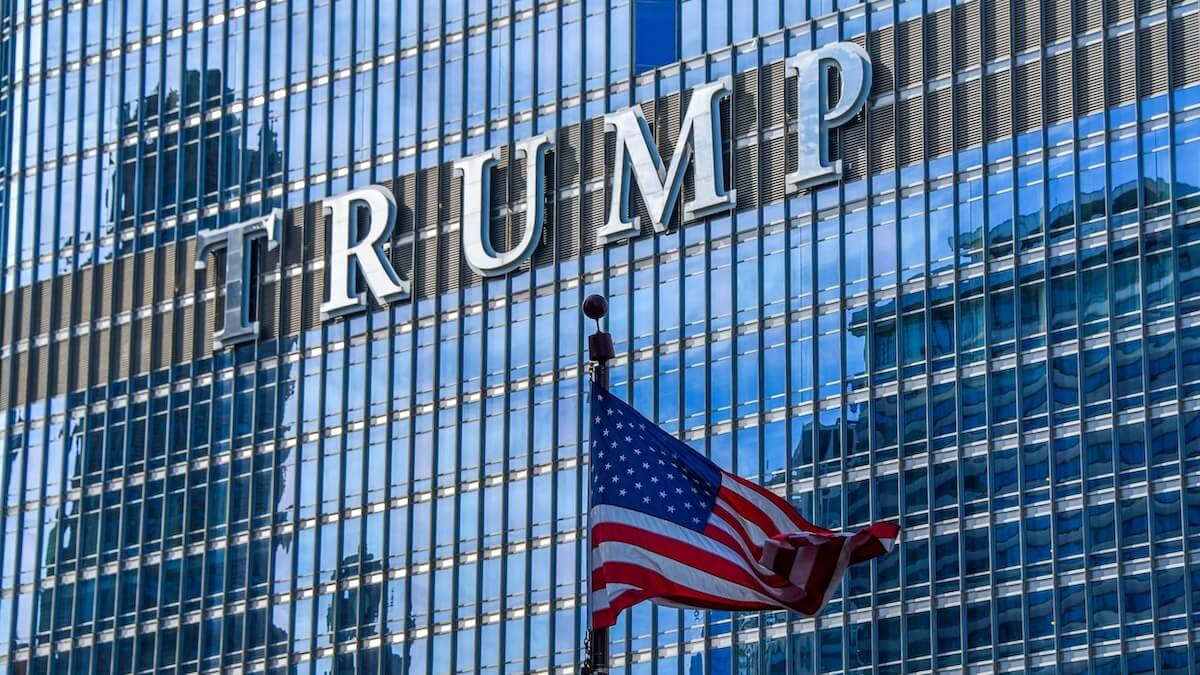
Trump suspended teleprompter operator Gabriel Perez last month after Kalshi self-reported that Perez profited more than $100,000 on mention markets involving words Trump might use in his speeches.
“(Trump) believes it’s deeply unfortunate and, frankly, a disgrace. The individual that was cited in that report is complying with the CFTC, but has been put on paid administrative leave,” White House press secretary Karoline Leavitt told CNBC at the time.
Apparently in response to the federal probe, Kalshi this week removed mention markets from its offerings. The company did not comment on the move, leaving open the questions of if the markets would return and, if so, when.
Baltimore sues Kalshi, Poly over ‘illegal sports betting’
Mayor Brandon Scott and the Baltimore City Council sued Kalshi and Polymarket for “operating illegal, unlicensed sports-betting platforms and misleading consumers about the legality and regulatory status of their products.” The move makes Baltimore the first major U.S. city to take on the prediction market operators independent of their state governments.

“These companies are running sportsbooks without licenses and betting that a new label will put them above the law,” Scott said in a press release. “It won’t. Baltimore will not let multibillion-dollar companies put profits over people and harm our communities through illegal gambling.”
Baltimore’s lawsuits seek to stop Kalshi and Polymarket from operating in the city. They further ask the city court to order maximum fines, restitution to Baltimore residents and disgorgement of ill-gotten profits.
The financial penalties echo the seismic amounts sought by New York Attorney General Letitia James, whose suit against Kalshi could reach a maximum of $36bn if awarded in full.
Balitmore also alleges the operators “market their platforms in ways that create a false or misleading impression that their offerings are lawful and appropriately regulated, while making gambling readily accessible to consumers.”
Marketing also the focus in New York council probe
New York City Council Speaker Julie Menin announced on Wednesday the city’s investigation into four prediction markets operators over what a press release alleges are “potentially false, deceptive, or abusive marketing tactics, with particular concern for marketing directed towards young people.”
“As a mother of four, I know firsthand the fears that come with raising kids in a world where predatory industries are constantly finding new ways to target them,” Menin said. “Prediction markets aggressively entice consumers to bet and wager on sports, politics, culture, weather, and pretty much anything.
“We refuse to let New Yorkers, especially our young people, become collateral damage. As a regulatory attorney and the former Commissioner of Consumer Affairs, I take consumer protection extremely seriously. I intend to harness the full power of the Council to protect New Yorkers from deceptive and predatory marketing practices by prediction market platforms.”
Letters from Menin went to:
- Coinbase
- Gemini
- Kalshi
- Polymarket
A Wall Street Journal report of Polymarket using influencers to promote fake trades will factor into the NYC investigation, according to the release.