KEY TAKEAWAYS
- Utah shifted its sights from Kalshi to sweepstakes site Stake.us following the state’s headline-making criminal allegations against the prediction markets operator.
- The state accuses the site of offering “a 24-hour casino” in the state despite its constitutional prohibition on all forms of gambling.
- Sweepstakes operators face lawsuits in other states, while a handful of other U.S. jurisdictions banned multi-currency gaming in 2025 and 2026 through legislative and regulatory actions.
After bringing felony charges against Kalshi, Utah leaders turned their attention to the last public enemy no. 1 before prediction markets: sweepstakes casinos.
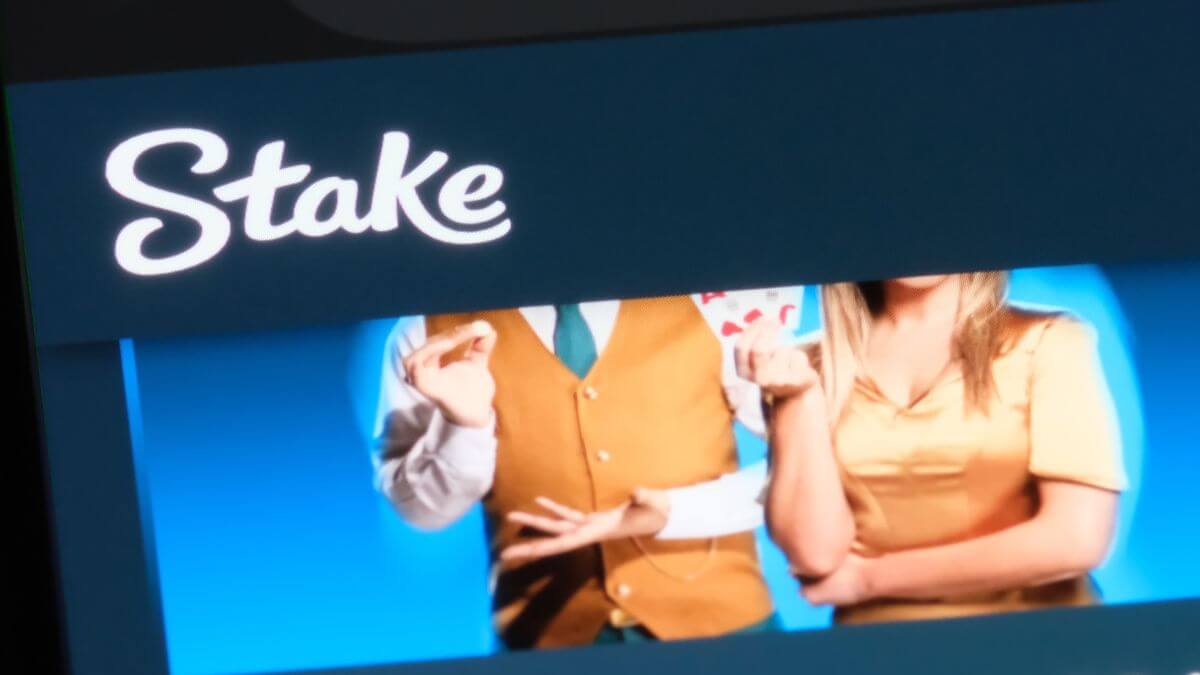
Attorney General Derek Brown and the state Department of Commerce’s Division of Consumer Protection sued the ownership companies behind online gaming site Stake.us, Brown’s office announced on Tuesday, Nov. 17. The government filed the complaint against Cyprus-based Sweepsteaks Limited and Australia’s Easygo Group in the Third Judicial District Court in Salt Lake County.
The lawsuit accuses the firms of operating “a 24-hour casino” available to Utahns since 2022, despite Utah’s Constitution banning real-money gambling in any form.
“Utah is not a safe haven for casinos,” Brown said. “Stake effectively opened a 24-hour gambling operation that Utahns could access from their phones, tablets, and living rooms.”
As well as illegal gambling claims, Utah alleges violations of its Consumer Sales Practices Act (UCSPA) for deceptive marketing practices. It wants the court to:
- Rule that Stake’s products are illegal in the state
- Issue an order preventing it from operating
- Order that the parent companies pay restitution as well as a civil penalty of more than $300,000 for every alleged violation of the UCSPA
Sweepstakes still on state minds
The two most prominent sites that use the Stake name and brand are Stake.com and Stake.us. The dot-com site operates as an offshore real-money casino and sportsbook in numerous jurisdictions around the world, while the dot-us site purports to be a dual-currency sweepstakes and social casino in the U.S.
Social gaming operators have argued for years that their model does not constitute real-money gambling. Legislators and gaming regulators from coast to coast disagree, and the dispute resulted in legislative bans on the products in states over the last few years.
Stake faces lawsuits in other states already, including one filed by Florida Attorney General James Uthmeier in August 2026.
Utah’s lawsuit alleges that Stake.us is gambling under Utah law, “whatever the label” it uses for its products, and quotes Stake CEO Ed Craven as labeling the product “[r]eal odds, real money, [and] real players”.
Utah: ‘Clever marketing tricks’ do not make Stake.us legal
The complaint notes that the site lets users buy Gold Coins with real money and exchange them for Stake Cash for use on its games. In doing so, says Utah’s lawsuit, it “converts real money into casino wagers.” It argues that the state’s prohibition on gambling makes no exceptions for a business model wherein customers pay real money for virtual currency, pointing to language that bans gambling that is “incident to the purchase of another good or service.”
Utah claims that Gold Coins themselves are illegal gambling under its laws because they are a “representation of value” as defined in the state constitution.
“You don’t get to legalize gambling in Utah simply by using clever marketing tricks,” added Brown in the press release.
The suit says that Stake added Utah to its list of prohibited states on Nov. 13, but that state investigators were still able to access and use the platform three days later.
Utah says Stake markets to children
Utah’s lawsuit also takes issue with the site’s alleged use of cartoons, Disney characters, and other imagery designed to appeal to children.
“Companies like Stake are putting a casino in every pocket, even targeting children,” said Utah Gov. Spencer Cox in a statement. “Gambling is illegal in Utah, and we intend to keep it that way. We will do everything in our power to protect Utah families and hold these companies accountable.”
Utah Department of Commerce Commissioner Margaret Woolley Busse said the state could not “stand idly by” as the site continues to offer a gambling product.
“Stake’s predatory and deceptive tactics are a direct assault on Utah’s values and laws that protect our community, particularly our children and vulnerable populations,” Woolley Busse added. “By glamorizing gambling through colorful promotions and appealing themes targeted at kids, they exploit impressionable young minds, leading them towards financial peril and addiction.”
Kalshi remains top target in Utah
While Utah’s lawsuit continues a trend against sweepstakes operators, which were the primary industry target for enforcement and legal action in 2024 and 2025, the state’s most prominent battle right now is against Kalshi.
Unlike the Stake lawsuit, which seeks only civil restitution measures, Brown and Utah authorities want a court to charge the prediction market platform and its co-founders with 13 felony charges. After a federal judge denied Kalshi an injunction against Utah officials in August, the situation escalated in October:
- Brown sued Kalshi and affiliated entities in state court.
- The Commodity Futures Trading Commission (CFTC) and the U.S. Department of Justice sued the state in response on Oct. 26.
- Utah filed criminal charges against Kalshi, its CEO Tarek Mansour, and COO Luana Lopes Lara on Oct. 28.
The Salt Lake County court subsequently summoned Mansour and Lara to appear in person for an initial arraignment on Dec. 4.
Utah’s headline-making actions against Kalshi prompted several gambling companies including DraftKings, Fanatics, FanDuel, and PrizePicks to stop offering sports event contracts in Utah or, in Fanatics Markets’ case, exit the state entirely.