As the US sports betting market continues to post record-breaking revenues, simply securing market access is no longer enough.
For the first wave of suppliers entering the US, the priority was straightforward: navigate regulation, obtain licences and establish a foothold in one of the world’s fastest-growing betting markets.
Now, six years into regulated expansion, those conversations are evolving.
Operators are increasingly looking beyond market access and asking a different question: how do they stand out?
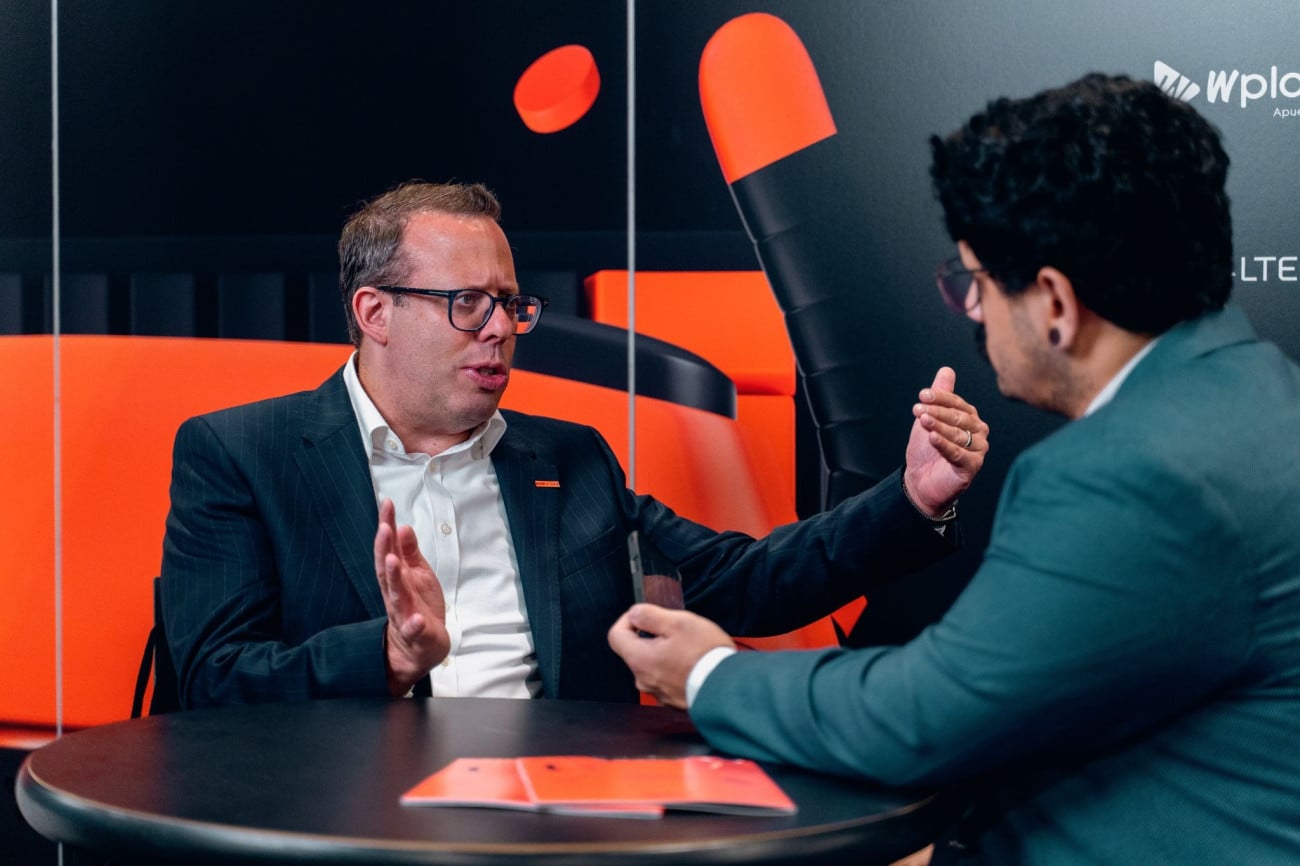
Speaking at the recent SBC Summit Americas, Gal Ehrlich, CEO of esports and sports content and data provider BETER, stated differentiation has rapidly become one of the defining themes shaping conversations with operators, particularly as competition intensifies across regulated states.
He noted: “I think one thing that is very clear when you talk about the US betting market is that it’s a young industry and everybody’s looking for differentiation.
“Everybody is looking for strong engagement and retention tools. One of the things BETER is bringing to the table is developing products on top of the regular, classic events to create unique opportunities and a unique offering.”
That shift reflects the wider evolution of the US industry. While market entry remains a significant hurdle, suppliers are increasingly being judged not by where they operate, but by how effectively they help operators retain players once they have acquired them.
Regulation remains the price of admission
None of that changes the reality that the United States remains one of the world’s most complex regulated betting environments.
Unlike Europe, where suppliers can often access multiple jurisdictions through relatively consistent regulatory frameworks, the US continues to operate on a fragmented state-by-state model.
For BETER, that journey began almost three years before it secured its first approval in New Jersey in 2025. Today, the company has achieved certification in nine states, with further approvals expected before the end of the year.
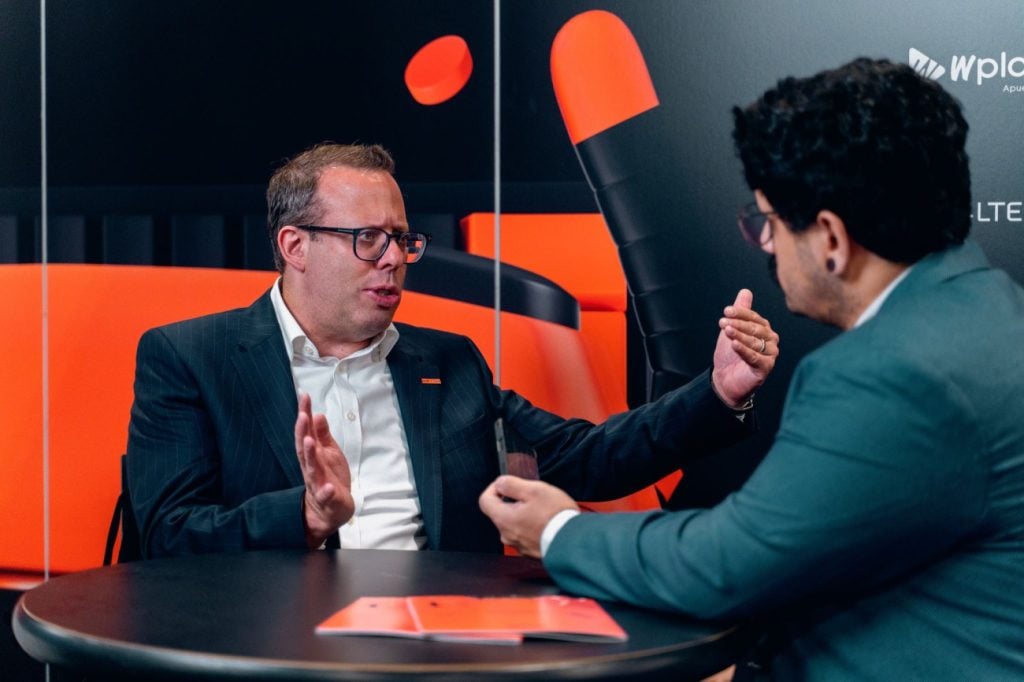
“The biggest lesson is that it’s a very different market,” stated Ehrlich. “It’s fragmented on a state level. It requires a lot of effort, dedication and commitment to continue growing.”
He believes that complexity is unlikely to disappear anytime soon.
He continued: “The challenge is the very complicated regulatory framework here. Unfortunately, I don’t see any easing coming anytime soon. It’s becoming stricter and more complicated. I don’t expect nationwide regulation, so this is going to remain the situation for the long term.”
For suppliers considering expansion, regulation remains a significant investment rather than a short-term obstacle.
Yet Ehrlich believes those willing to commit for the long haul will ultimately benefit.
He added: “The opportunities are massive. The scale and commercial potential are huge. For suppliers that are determined, committed, heavily invested and patient enough to overcome the obstacles, the value creation is going to be significant.”
Retention is replacing acquisition as the competitive focus
The next stage of the US market, however, is being shaped less by licensing than by player behaviour.
As sportsbooks compete in increasingly mature states, the challenge is no longer simply acquiring customers. It is keeping them engaged.
That is where fast betting products are beginning to carve out a more strategic role.
Rather than relying solely on traditional sporting events, operators are increasingly looking for always-available content capable of delivering rapid betting cycles and higher engagement.
This is where BETER stands out, exclusively delivering 24/7 live streaming, real-time data, and odds for more than 700,000 fast-paced esports and sports events annually to operators worldwide. The company offers up to 50 markets per event and an average operator margin of 7.5% or more.
Its esports portfolio includes the ESportsBattle eLeagues, featuring eFootball, eBasketball, eHockey, and eTennis. Its sports portfolio includes the Setka Cup table tennis competition and the BSKT Cup basketball league.
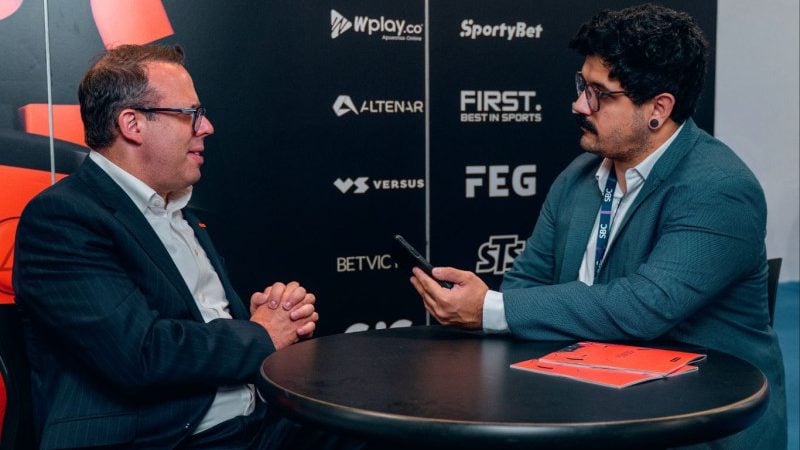
According to BETER’s CEO, these products particularly resonate with younger audiences.
Ehrlich said: “When you talk about fast betting, it’s mostly attracting younger people, especially Millennials and Gen Z. These are people who naturally bet on mobile, who bet socially with friends, sitting in bars watching games and expecting immediate settlements.”
Importantly, he believes this behaviour is remarkably consistent across global markets.
“Young audiences here in the US are acting very similarly to what we see in Europe and Latin America.”
That consistency gives suppliers greater confidence when developing products, even if localisation remains essential.
Localisation goes far beyond translation
While player behaviours may be similar globally, product preferences are not.
One of the biggest lessons BETER has learned during its US expansion is that simply transferring successful international products into North America is not enough.
“The US market has its own unique preferences that we’re adapting to,” Ehrlich explains.
He points to significant differences between North America, Europe and Latin America.
“In Latin America, eFootball is by far the number one product. Here, the product mix is different. eBasketball also performs very well, but eHockey, as expected, performs better in Europe, while eAmerican Football is the undisputed leader in the US.”
Even eFootball, despite remaining globally dominant, occupies a different position within the overall product portfolio. That localisation extends beyond individual sports. Each new esports betting product requires substantial investment before reaching commercial readiness.
Ehrlich explained: “It’s not about doing things fast. If you want to build a good product, you need to invest heavily in building the tournaments, selecting players, developing mathematical models, building trading capabilities and setting up the entire ecosystem.”
Rather than rushing products to market, BETER has deliberately extended development timelines.
“We will never launch a half-baked product,” BETER’s CEO stated. “Our reputation, our brand and our tournament brands are more important than every quick win we could achieve.”
Betting on American sports
That philosophy is now driving the company’s next major product expansion.
BETER confirmed that both eAmerican Football and eBaseball remain on its roadmap, with launches expected later this year.
Unlike simply adapting existing products, both have been designed specifically with North American audiences in mind.
Commercially, expectations are ambitious.
Ehrlich predicts that, fueled by strong demand for BETER’s existing sports and esports products, along with the continued expansion of its portfolio, the US market alone could account for up to 25% of the company’s total revenue in the near future.
The products also reinforce a broader strategy centred on localisation rather than standardisation, recognising that operators increasingly value products built specifically for their markets rather than adapted from elsewhere.
Beyond market entry
The US betting industry continues to produce extraordinary growth figures, but suppliers are discovering that long-term success depends on far more than simply obtaining licences.
Market access has become the starting point, not the destination.
As operators search for ways to differentiate themselves, demand is shifting towards products capable of increasing engagement, strengthening retention and delivering experiences that reflect local player preferences.
For Ehrlich, that evolution represents the next chapter of the US opportunity.
Ehrlich concluded: “We’re expanding across every dimension of our business. We’re creating more content, diversifying our portfolio and growing in almost every geography where we operate.
“We’re breaking our own records every quarter, and with the opportunities we’re unlocking in North America, we want to accelerate that growth even further.”
For suppliers willing to invest for the long term, the message is becoming increasingly clear: in the United States, winning market access is only the beginning. Winning player attention is where the real competition now lies.