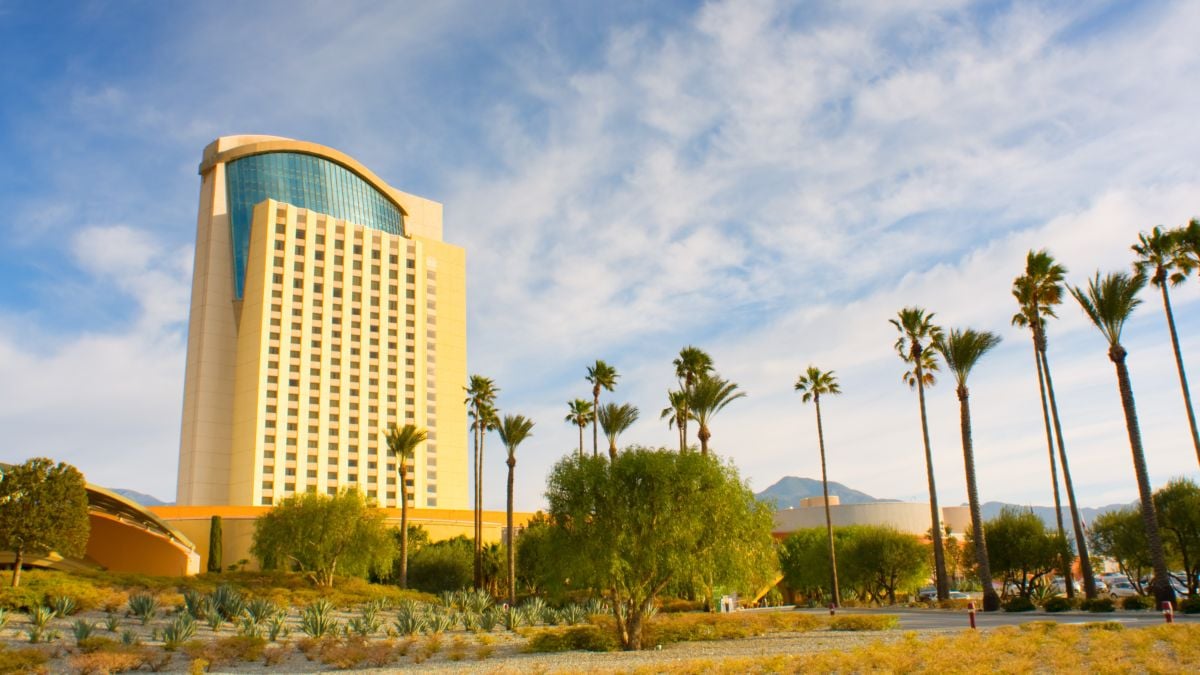
SAN DIEGO, CALIF. — Amid the unprecedented competition of sports prediction markets, California’s tribes intend to push ahead with an effort to legalize online California sports betting.
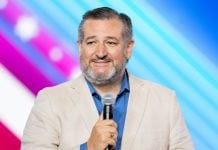
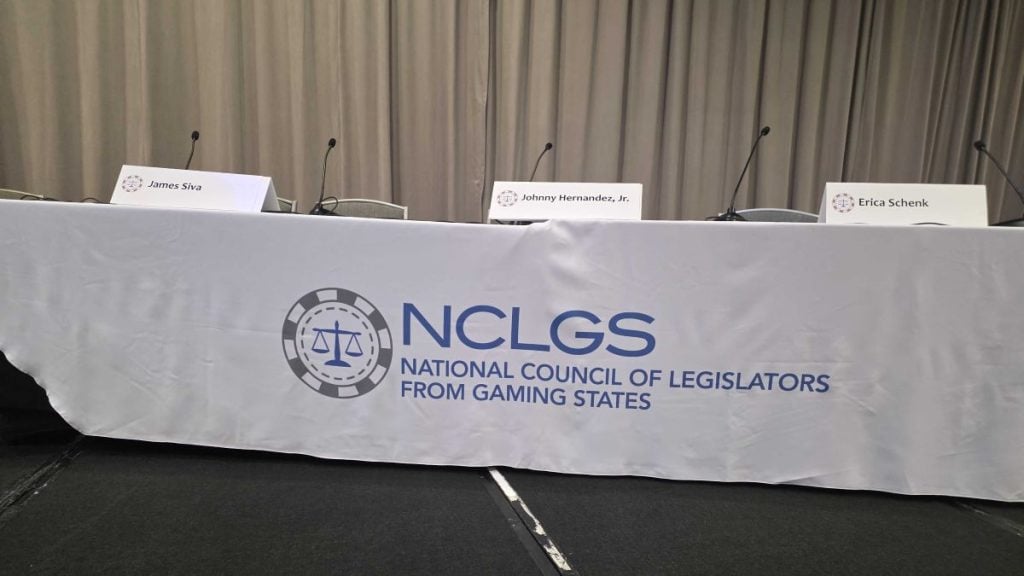
“We’re still very much looking at 2028 as a date that tribes are preparing to move forward with a tribally led initiative for an online sports betting market,” California Nations Indian Gaming Association (CNIGA) Chairman James Siva said at the National Council of Legislators from Gaming States (NCLGS) Summer Meeting in San Diego on Thursday.
Under the Indian Gaming Regulatory Act (IGRA) and tribal-state compacts, California’s federally recognized tribes have exclusivity for Class III gaming products including sports betting. Opening a regulated online sports betting market would require voters to say yes at the polls and for the gaming compacts to be renegotiated and ratified.
The aim of getting the question on the ballot in November 2028 is not new; Siva previously outlined that year as the goal for putting the question of legalizing online California sports betting to voters with a view to establishing a tribal-led market. Four years ago, the Californian public firmly rejected sports betting amid competing proposals from tribes and commercial sportsbook leaders.
Sitting on a panel next to Cahuilla Band of Indians Chair Erica Schenk and Yuhaaviatam of San Manuel Nation Vice Chair Johnny Hernandez Jr., Siva vowed to pursue a model that would “make sure that no tribe gets left behind as we expand gaming.” He said CNIGA wants equitable treatment for all of the state’s gaming tribes, as well as to generate economic benefits for non-gaming tribes and communities.
Tribes losing chunk of revenue to prediction markets
While the target timeline has not changed, the stakes for tribes have. Indian Country has battled against perceived threats to its gaming exclusivity for years, from unlicensed sportsbooks to its crusade against sweepstakes casinos in the last two years.
But Siva, who is also the Vice Chair of the Morongo Band of Mission Indians, said they have never faced an adversary quite like prediction markets.
Numerous companies including perennial headline-makers Kalshi and Polymarket now offer a broad-strokes equivalent of sports wagering in California. So, too, do DraftKings and FanDuel, the ring-leading sportsbooks behind the previous effort to legalize online sports betting under a model that cut out the tribes. DraftKings Predictions and FanDuel Predicts offer sports event contracts in California, although each platform geoblocks activity on federal tribal lands.
“Without a doubt, prediction markets are the largest, most impending threat we’ve faced since the creation of this industry,” Siva told the room, stressing that his statement was not an overstatement. Yuhaaviatam’s Hernandez echoed his sentiment, opining that sports event contracts are clearly gaming products.
Siva also told the room that the impacts of prediction markets on tribal gaming revenue are already tangible, perhaps as high as 5%. “We’re starting to see real revenue numbers leave Indian Country,” the CNIGA Chair added.
California tribes have killed bills on PM legislation
Tribes have taken the fight to prediction markets. Most notably, a group of tribes sued Kalshi and its partner Robinhood last year, alleging violations of IGRA, but a judge denied their request for a preliminary injunction that would have required Kalshi to geoblock tribal lands, keeping the company’s sports contracts online in the biggest state without legal online sports betting.
Meanwhile, numerous states are engaged in court warfare with prediction market operators, and several legislatures are now moving to try to bring the platforms under some level of state control. Illinois and Kentucky both passed legislation in recent months to regulate and tax event contract revenue, while North Carolina’s budget includes a provision to tax them at 6% but without regulating them.
Could California consider a similar approach? Not if the tribes have their way.
On a separate NCLGS Summer Meeting panel devoted entirely to the topic of prediction markets, Pechanga Band of Indians General Counsel Steve Bodmer said that states that are introducing or passing legislation to regulate and/or tax prediction markets are “tacitly approving” them as a gambling equivalent.
Siva said frankly that California’s tribes have “killed” proposed legislation to address prediction markets at the state level because, in his opinion, even trying to explicitly ban some would only serve to legitimize others.
“Any bill that codifies a piece of this action just helps their argument,” he said, before adding that the only satisfactory outcome for tribes would be a “killshot”.
In the meantime, Indian Country in California will continue pursuing legal online California sports betting as the goal for 2028.