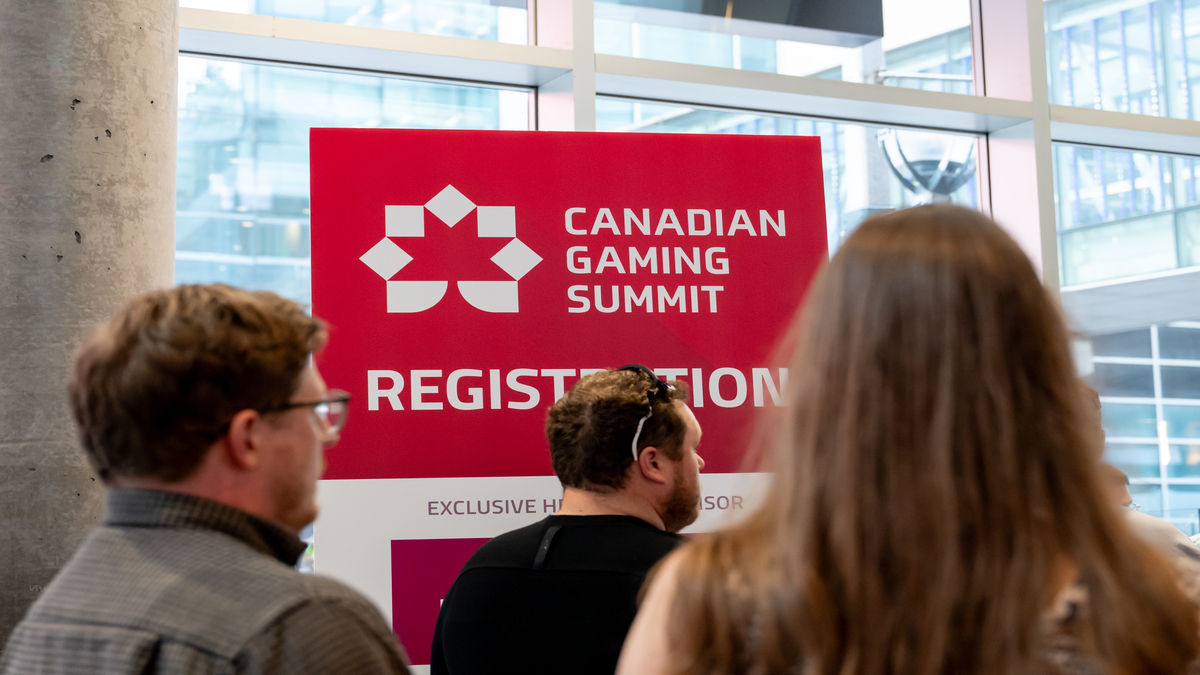
SBC Summit Canada 2026 is providing key stakeholders in gaming with the opportunity to discuss hot topics impacting Canada’s commercial gaming industry.
Next month, soccer fans from around the world will converge in North America for a highly anticipated 2026 FIFA World Cup. The tournament will take place in several cities across the region, including Toronto and Vancouver, providing Canada with new opportunities.
A panel of industry experts discussed the opportunity the World Cup presents for Canada and how stakeholders can use the tournament to expand their reach after its conclusion.
The panel, moderated by Gaud-Hammer Gaming Group CEO Anthony Gaud, included:
- Optimove Director of Sales Jeff Laniado
- Ontario Lottery and Gaming Corporation Senior Director Greg Sindall
- DraftKings Director of Sportsbook Operations Tim Whitehead
- Soft2Bet Chief Commercial Officer Andrew Cochrane
- BetMGM Canada Director of Marketing Yohan Matthew
New World Cup tournament, older regulated markets
The World Cup being held every four years, has allowed regulated markets across North America to mature and develop since the last global tournament was held in 2022.
“The Ontario market was very immature at that point, and now we have Alberta coming online soon,” said Cochrane during the discussion. “The legislative picture across North America has widened a lot in the last four years, and couple that with the expectation of handle almost doubling compared to Qatar four years ago, this can’t be ignored.”
The 2022 World Cup in Qatar was held in November, with many American and Canadian bettors also allocating their attention toward the NFL season. The upcoming iteration of the tournament is being held during a North American sports calendar that isn’t as busy.
“Another big difference from this World Cup from the previous one is that it was in the middle of the NFL season,” said Laniado. “This 2026 World Cup is benefiting from the luxury of the summer lull. There are very few other competing sporting events to go along with it.”
The popularity of the World Cup allows operators to acquire new customers, but ensuring products deliver solutions and services seamlessly to sports bettors is also important.
“We’ve learned from big events, big acquisition events in the past,” said Matthew about BetMGM Canada. “I think the takeaway is really it is about precision over scale.”
The scale of the 2026 World Cup is also different from previous iterations of the tournament, with this year’s field expanding to 48 teams from a traditional 32.
“We have to really think about the new format for the World Cup this year with expanded teams, more games, there’s more operator engagement,” said Whitehead. “But I think there’s going to be a few challenges along with that as well.”
The World Cup presents new opportunities for operators and suppliers, but a global sporting event can also impact the bottom line of both small and big players in gaming.
“There is something to take away from how dangerous events like the World Cup can be from a revenue perspective,” said Cochrane. “There’s no guarantee that this event will generate positive gross gaming revenue for operators.”
What about after the World Cup ends?
The panelist also discussed how important it is for operators and other key stakeholders in gaming to provide a product during the World Cup that will continue to foster engagement with customers after the weeks-long tournament ends on July 19 in New Jersey.
“I think we really trying to capitalize on these big events like this and the Super Bowl,” said Sindall. “There are casual players who will come in, and so you have to use the time to introduce them to other sports that you have, or other types of bets, but also your other verticals too.”
DraftKings aims to resonate with sports fans beyond the tournament by leveraging new tools integrated into its online wagering platforms. Earlier this year, DraftKings launched Spanish-language functionality across its gaming platforms to prepare for demand for the World Cup, which will also host games in several markets across the U.S. and Mexico. The functionality also allows DraftKings to serve more customers across North America.
“We’ve launched this year our Spanish language product, so we built in-house from the ground up a Spanish language platform and sports betting experience specifically with the World Cup in mind, and beyond,” said Whitehead. “We think it’s a great opportunity for Spanish-speaking Canadians in Ontario, but also in the U.S., to come in and engage with World Cup and have just have an awesome, authentic experience.”
The opportunity to retain players after this year’s World Cup is also important for suppliers.
“There’s been a trend in this industry for the last 10 years of really of overextending and overcommitting to acquisition and not actually investing enough in retention, because the retention is actually the product,” continued Cochrane.
The 2026 World Cup is projected to garner more than $3bn in sportsbook handle alone in the U.S., and add in Canada’s affinity for soccer and the tournament is poised to be one of the largest regulated sports betting events in history. The expected influx of wagering offers operators and suppliers an exciting opportunity to showcase their products, but a tournament that is known for drama could also negativity impact key stakeholders.
Despite the uncertainty, gambling brands and suppliers across North America will be looking forward to a World Cup that is well-represented with teams from the region.
“If Canada, the U.S., and Mexico can make deeper runs into the tournament, that’s going to increase the engagement and staying power,” continued Whitehead.