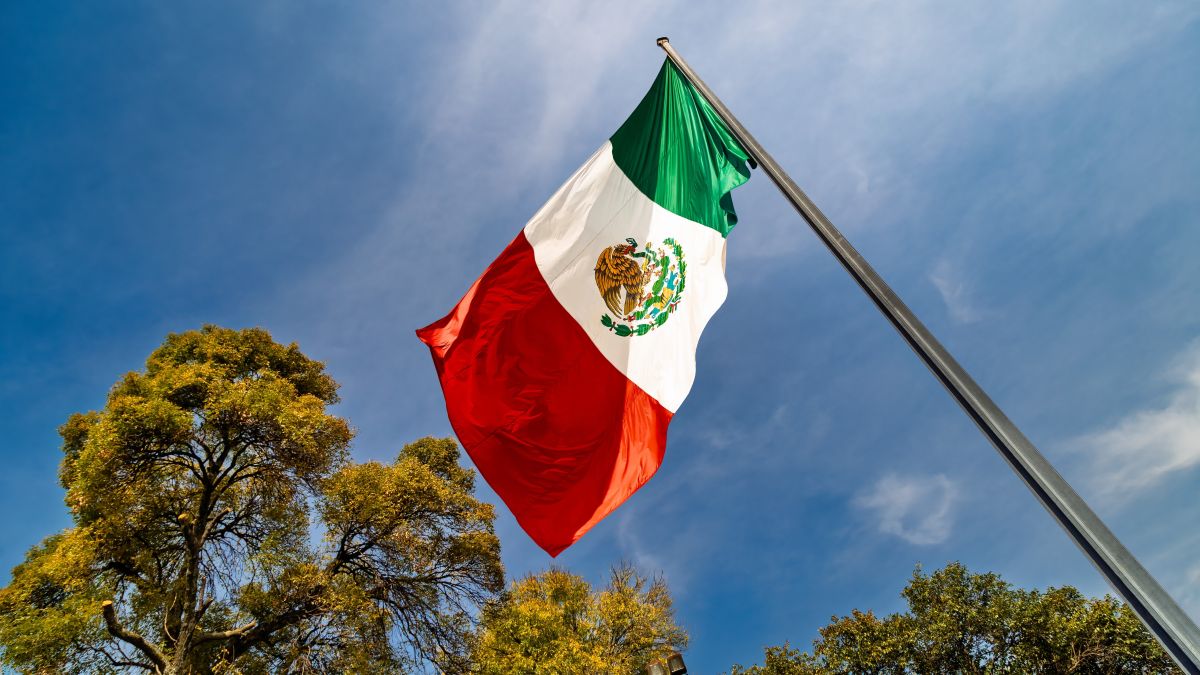
The Mexican Senate has approved a proposal to hike the nation’s tax on gambling from 30% to 50%.
The revenue portion of Mexico’s 2026 budget got the green light from Senators on Oct. 29 in a 74-35 vote and will go before the executive branch of the legislature to be rubber-stamped. The revenue chunk, which includes the tax increase on casino and online sports betting operators’ revenue, received approval from the Chamber of Deputies in October.
Gambling is taxed in Mexico through the Special Tax on Production and Services (IEPS). Under the budget proposal, that would be amended to raise the tax on gross gaming revenue for both brick-and-mortar and digital gambling operators from 30% to 50%.
In addition to gaming, the economic package raises taxes for soft drinks, tobacco and violent or adult-content video games. Sheinbaum’s administration estimated that a tax increase on those activities under the IEPS could generate $2 billion in additional tax revenue in 2026.
Mexico expects to approve a final budget plan by Nov. 15. The new tax would take effect on Jan. 1, 2026.
Industry sounds alarm
Gaming operators in Mexico already face a high tax burden, even before this mooted change. Operators pay a 30% federal tax on net income as well as the current 30% GGR tax under the IEPS. Meanwhile, states and municipalities also impose an additional sales tax, and some jurisdictions have a consumption tax that applies to gambling too.
Advocates of raising the IEPS rate have positioned the move as not only a fiscal measure but an effort to protect the health of Mexican residents. The proposed change comes as Sheinbaum confirmed that the Ministry of the Interior is working on drafting reforms to the nation’s gambling laws to update them to reflect the rise in digital betting, something that Mexico’s gambling industry leaders have called for in recent months.
However, the gambling industry has warned that the proposed tax hike risks making the cost of doing business prohibitive for licensed operators, as well as ultimately pushing players towards the black market and unregulated, untaxed gambling.
“Taxing operators’ profits at 50% would jeopardize the viability of legal businesses and push players to illegal platforms that pay no taxes and operate without oversight,” said Mexico’s Casino Industry Council in a statement. Analysts estimate that around 60% of online gaming in Mexico already happens in the illegal market.
Also sounding the alarm have been gaming companies including Playtech, which has a 30.8% equity stake in local operator Caliente. CEO Mor Weizer told SBC News’ Viktor Kayed in September that similar moves to raise taxes to high rates in Europe have had the unintended consequences of reducing investment from licensed companies and boosting the black market.
Does this sound familiar?
It’s not just Europe. Students of the U.S. gambling industry will recognize the theme of a government looking to raise gambling taxes to help plug a fiscal gap.
In 2025 alone, Maryland, Louisiana, New Jersey and Illinois passed measures to increase the tax burden on online gambling operators via increased or new taxes. Maryland raised its online sports betting rate from 15% to 20%, Louisiana lifted it from 15% to 21.5%, New Jersey increased both online sports betting and iGaming taxes to 19.75% and Illinois introduced its notorious per-wager tax charge the year after overhauling its sports betting GGR tax system.