There’s always a lot going on in the U.S. online gambling industry, but that’s perhaps never been more true than in 2025.
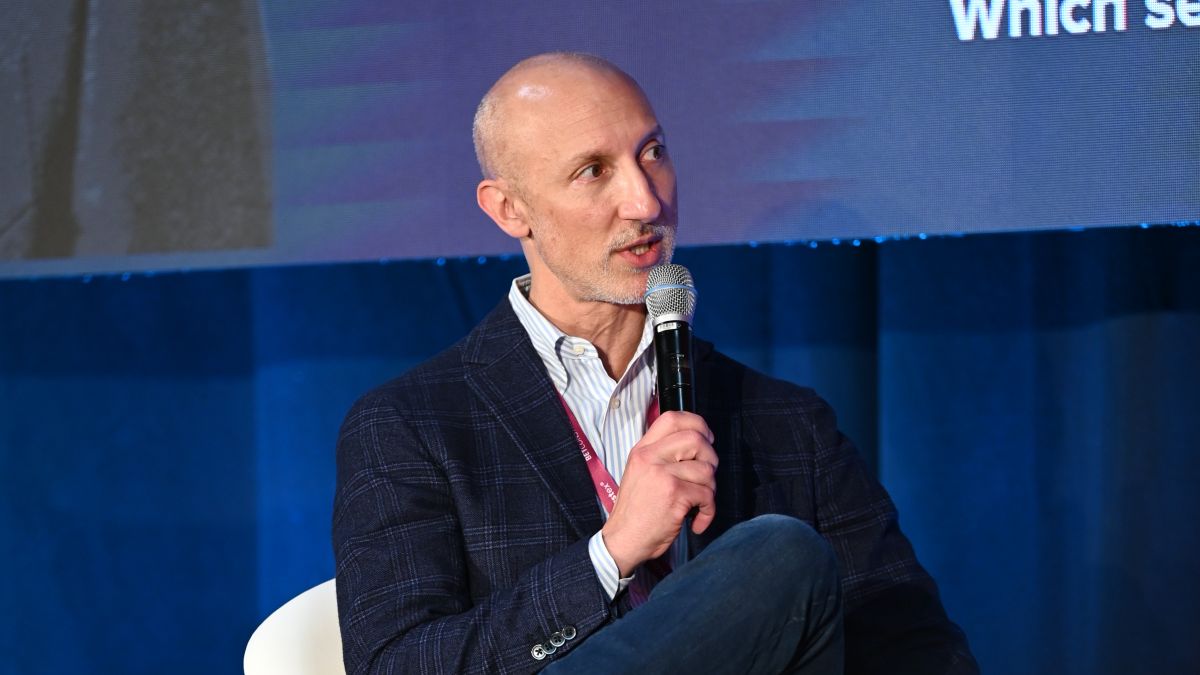
After BetMGM delivered its Q2 and H1 financial updates, Tuesday’s earnings call became a whistle-stop tour with CEO Adam Greenblatt of the biggest issues at hand, from prediction markets to potential iGaming expansion to the change in how much bettors can deduct from their gambling winnings come tax season.
Gambling deduction limit will ‘go away’
Asked about how he expects the situation around the OBBBA’s cut to gamblers’ tax deductions to resolve itself, Greenblatt brushed aside any lasting concerns.
Currently, gamblers will only be able to deduct 90% of their net losses on their itemized tax return starting Jan. 1. But there are now three bills in play in Congress that would undo or reverse the change.
“I think this is going to go away,” predicted Greenblatt. “There are enough smart people who recognize that this may not have been the best approach to take. We think the rational outcome will prevail, and we think that this is going to go away.”
No first-mover advantage for prediction markets?
For BetMGM’s third investor update call in a row, Greenblatt was asked about prediction markets’ sports contracts. BetMGM is monitoring developments “daily” to ensure it won’t be “caught flat-footed,” he said. But, amid talk of competitors making a move into the space, BetMGM will not come racing out of the gate.
“We have the ability [but] we do not have the desire to be a first mover,” Greenblatt said, noting that state regulators and attorneys general, tribal partners and other parties have asserted that sports event contracts should not be allowed. “We are not underestimating the possibility that this becomes a meaningful factor in our sector. But we are not going to be a first mover in this domain.”
Would there even be an advantage to being one? Greenblatt doesn’t think so.
“I think the advantage is conferred by liquidity, not who gets there first. The likes of Robinhood and Crypto[.com] and CoinBase’s ability to invest and grow a liquidity pool far exceeds, I think, sports betting market incumbents. I feel like it’s the prediction markets operators who are more likely to have an outsized market share than those trying to get into the market new.”
Prepared to wait out lawmakers on iGaming expansion
Like many operators in the U.S., online casino is BetMGM’s primary revenue driver. In the first half of 2025, two-thirds ($891 million) of BetMGM’s $1.35 billion in revenue came from that vertical. The company pegs its market share at 22% for iCasino vs. 8% for sports betting.
Naturally, Greenblatt wants more states to legalize online casino. Others lamented the lack of progress this year, but Greenblatt remains positive new markets are a matter of when, not if.
“I’m encouraged that 2025 has seen the highest number of new bills introduced since Michigan introduced iGaming. You have what are likely to be meaningful budget shortfalls, and we have more and more data to demonstrate that cannibalization concerns are overstated. Put all that together with more bills being introduced than ever before, and I feel like it’s only a matter of time before we see a meaningful increase in the number of iGaming states.”
“I think BetMGM more than anyone stands to gain most in the event that it happens,” he added.
‘Delighted’ to see anti-sweeps legislation
Asked about the continued debate over online sweepstakes casinos, Greenblatt was clear that his position and BetMGM’s is that sweeps are “illegal iGaming,” as they have been defined in new legislation in several states.
“It’s bad for state revenues, it’s bad for players. So, we’re delighted to see states adopting just legislation against the sweeps industry. The message to our lawmakers is, if sweeps activity is happening anyway, the good guys aren’t benefiting. So, we would like to see that situation unwind and, in fact, reverse.”
The CEO used the talk of sweeps to again advocate for more legal online casino states. “You’ve got a sweeps industry which is very developed, players are playing what are essentially iGaming products anyway,” he ventured.
‘Surcharge-free zone’ … for now
BetMGM is one of several operators to have responded to Illinois‘ new per-wager tax fee. While FanDuel, DraftKings and Fanatics announced they would pass the cost directly onto consumers with new per-bet transaction fees, BetMGM went down a different route from its fellow Sports Betting Alliance members, instead implementing a $2.50 minimum bet in Illinois.
Greenblatt noted the thinking behind that was to cover the cost of the surcharge to avoid slipping “underwater” on small-stake bets. But he did not rule out the possibility of BetMGM introducing a direct wagering fee in the state in the future.
“We are not going to pass on-” Greenblatt began, before adjusting his phrasing. “We have not passed on the surcharge to our players. We note that others have passed on the full cost of that surcharge to players in the short term. We feel this is a relative competitive opportunity for BetMGM. What happens in the future will depend on the financial impact of the approach we’re taking at the moment. But we want, at least for now, BetMGM to be a surcharge-free zone.”
BetMGM still not paying back parents
After its Q2 and H1 performance, BetMGM increased its full-year guidance for the second consecutive quarter, projecting that EBITDA will exceed $150 million and that revenue will be at least $2.7 billion in 2025.
Chief Financial Officer Gary Deutsch noted that the hope is that BetMGM will soon be in a position to start returning cash to its co-parents, Entain and MGM Resorts International.
“The question is how much goes back and when we’ll be in the position to figure that out,” the CFO noted. “But with this guidance, we’re in a position that we can, if we choose or if the parents choose to receive that cash, that transfer can be made.”