Another Congressional lawmaker has launched an attempt to reverse the One Big Beautiful Bill Act’s (OBBBA) cut to how much gamblers can deduct for tax purposes on their losses.
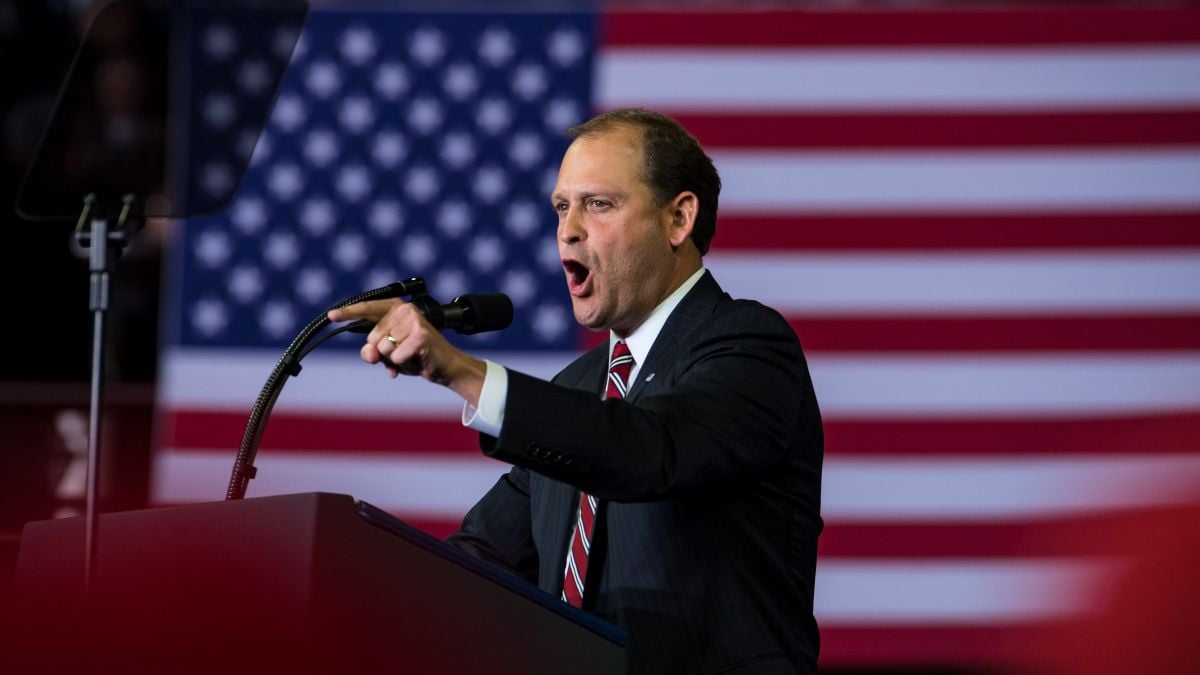
While Democratic Nevada Rep. Dina Titus’ FAIR BET Act continues to grow in bipartisan support, Kentucky Republican Rep. Andy Barr introduced his own measure last week.
Filed on July 23 and announced on July 25, Barr’s Winnings and Gains Expense Restoration (WAGER) Act would amend the Internal Revenue Code to restore the prior wagering loss limitation rules, therefore once again allowing gamblers itemizing their tax returns to deduct 100% of their losses up to the amount won.
Barr’s HR 4630 has been referred to the House Ways and Means Committee (WAM).
Titus briefly referenced the bill while she was speaking of the support for her own FAIR BET Act during the WAM field hearing for the OBBBA in Las Vegas on Friday, although she misnamed Barr as Andy Biggs, a Republican representative from Arizona.
Another horse in the race
While Titus is the Co-Chair of the Congressional Gaming Caucus and has placed a focus on ensuring that neither Nevada’s industry nor gamblers nationwide are negatively impacted by the OBBBA measure, Barr is the chair of the Congressional Horse Caucus and is approaching his own effort from an equine angle. He is also a member of the party in power, which means this bill is not automatically facing an uphill battle that comes with any minority-backed legislation.
“Restoring full deductibility of wagering losses will help the thoroughbred horse racing industry maximize economic value for equine businesses,” Barr said in a statement published on Friday. “I’ll work to deliver the WAGER Act in Congress and appreciate the work of equine and thoroughbred horse racing advocates in fighting for this bill alongside me.”
Damon Thayer, former Kentucky Senate majority leader, added that Barr’s bill “is critical to the very foundation of the horse racing industry: fans and customers.”
“Thoroughbred racing is built on horseplayers,” added National Thoroughbred Racing Association President and CEO Tom Rooney. “The changes to the tax deduction are harmful to them and must be fixed. We’re glad that this issue has not been ignored and look forward to it being swiftly addressed.”
FULL HOUSE Act makes three of a kind
At Friday’s OBBBA field hearing in Vegas on Friday, the GOP Chair of the House WAM, Rep. Jason Smith, blamed the Senate for the cut to how much gamblers can deduct on their taxes. He said the House, which approved the Senate’s amendments including the gambling tax change, is making a bipartisan effort to address the issue.
“For those of you concerned about this change, members on both sides of the aisle have heard you and many members on both sides of the aisle are working to address it before it goes into effect on Jan. 1,” said Smith.
At the time of writing, four Republicans are among Titus’ 10 co-sponsors of the FAIR BET Act. However, with the tax deduction change scheduled to take effect on Jan. 1 and with full Congress not scheduled to meet until September, the legislation faces a race against time to make it through both chambers and pass.
Barr’s WAGER Act is the third piece of legislation filed with the intent of reversing the OBBBA change. Four days after Titus introduced the FAIR BET Act, earlier in July, Nevada Sen. Catherine Cortez Masto introduced the Facilitating Unbiased Loss Limitations to Help Our Unique Service Economy (FULL HOUSE) Act.
On July 10, Cortez Mastro appealed for S 2230 to be passed via unanimous consent, a streamlining process wherein a proposed measure can be approved without a vote as long as no senator objects. But that endeavor failed after Republican Sen. Todd Young objected.
Cortez Masto’s bill will therefore have to go through the full procedural process in Congress, and it next stop is the Senate Finance Committee.