The U.S. is not Super Group’s primary focus, but that doesn’t mean America isn’t still the land of opportunity for the multi-brand gambling operator.
The parent company of online casinos including Jackpot City and Spin Casino and sportsbook Betway does its biggest business in Africa, and most of its North American revenue is Canadian. Last year, it shut down Betway in the U.S. and dipped out of the American sports betting market as it looks to pick and choose the battles it fights for revenue and for market share in various corners of the world.
Narrowing down to only online casino in the U.S. greatly restricts the number of regulated markets in which Super Group can operate, with only seven states offering that vertical versus the 30-plus that provide for online sports wagering.
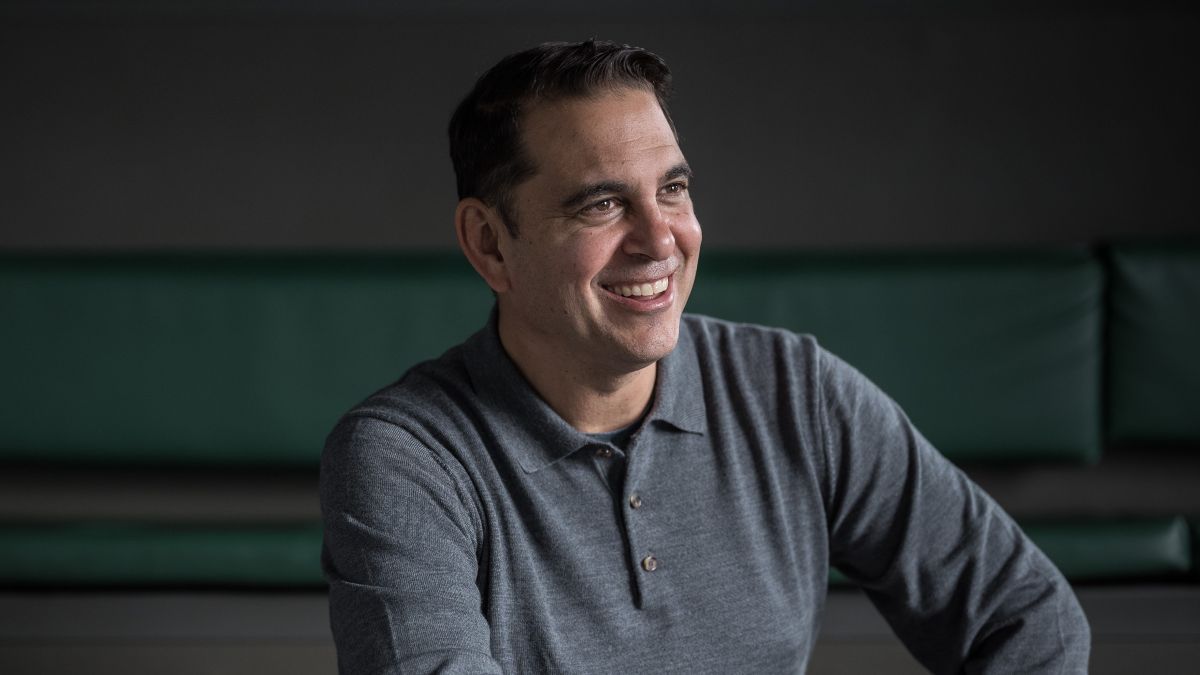
But the company’s CEO Neal Menashe believes the tighter focus can pay dividends, particularly given the fact that more than 80% of the group company’s revenue comes through its online casino brands. “For us, I think it’s a much better place to be just for iGaming,” he said on an earnings call on May 8. “Sports, we just couldn’t make it work.”
His confidence seems well-earned given that the fourth quarter of the last fiscal year was the company’s best ever in terms of U.S. revenue. The first quarter of the current fiscal year, ending March 31, pushed the group another step closer to profitability in the U.S.
A multi-pronged approach
Betway’s U.S. withdrawal this time last year cost Super Group a one-time payment of €32.7 million, from which its American financials are still recovering. But while it blew the full-time whistle on sports in the States, it retained an online casino presence by offering Jackpot City in the core markets of New Jersey and Pennsylvania. In March of this year, it brought Spin into the fold in both of those states.
Unlike some other operators that offer multiple online casino brands in the U.S., such as Caesars, BetMGM, and PENN Entertainment, Super Group does not have a land-based gaming cache brand to lean upon in its digital efforts. But Menashe told SBC Americas recently that he feels the group is well-positioned to compete with those casino-rooted names.
“I think it’s quite straightforward,” the CEO said. “We believe that being a group of global online-only digital brands, with decades of experience in iGaming, we can compete in this market. However, we are obsessing about the KPIs that we have set for this business. We are constantly ensuring a path to profitability and assessing this on a monthly basis.”
As well as Jackpot City and Spin, Super Group offers a range of online casino brands. In Ontario’s regulated market, for example, it also offers customers its Ruby Fortune and Royal Vegas brands. Even those are just some of the dozen-plus brands under its umbrella.
With iCasino profitability in its sights, could Super Group look to introduce others to add further outfits to its wardrobe in the U.S.? It all depends, said Menashe.
“It’s about our current performance in the markets we are live in in the U.S.,” he told SBC Americas. “We are monitoring our KPI goals. We need to ensure these brands reach sustainable profitability and growth – we expect to break even in 2027.”
State of the union
Like other operator executives, Menashe keeps a close eye on legislative and regulatory proceedings in the U.S. This year, the likes of Ohio, New York, Illinois and other states considered legalizing online casino gaming, and a bill in Maine to open a limited legal market is awaiting the governor’s verdict after being passed in both chambers.
Menashe suggested to SBC Americas that as and when more states do elect to regulate online casino gaming, Super Group could bring its biggest brands to the party. But, again, the conditions have to be right.
On the May earnings call, he cited the Michigan market as “one that probably did get away from us” due to what he described as a prohibitively expensive cost of licensing. And in the latest issue of SBC Leaders magazine, he explained why he and his colleagues felt stepping into Brazil’s new market was not right for the group.
Speaking to SBC Americas, he stressed that any expansion within the U.S. has to make sense.
“This really depends entirely on the costs of market entry,” Menashe said. “Tens of millions of dollars in [mooted] license fees in Ohio and similar numbers in Michigan can make the overall commercial viability of those markets incredibly challenging.
“It’s important that those who set the fee levels understand that operators need to be given a path to profitability, and where they price themselves too high, they will not foster healthy competition nor benefit from the fiscal contribution that the industry brings.”