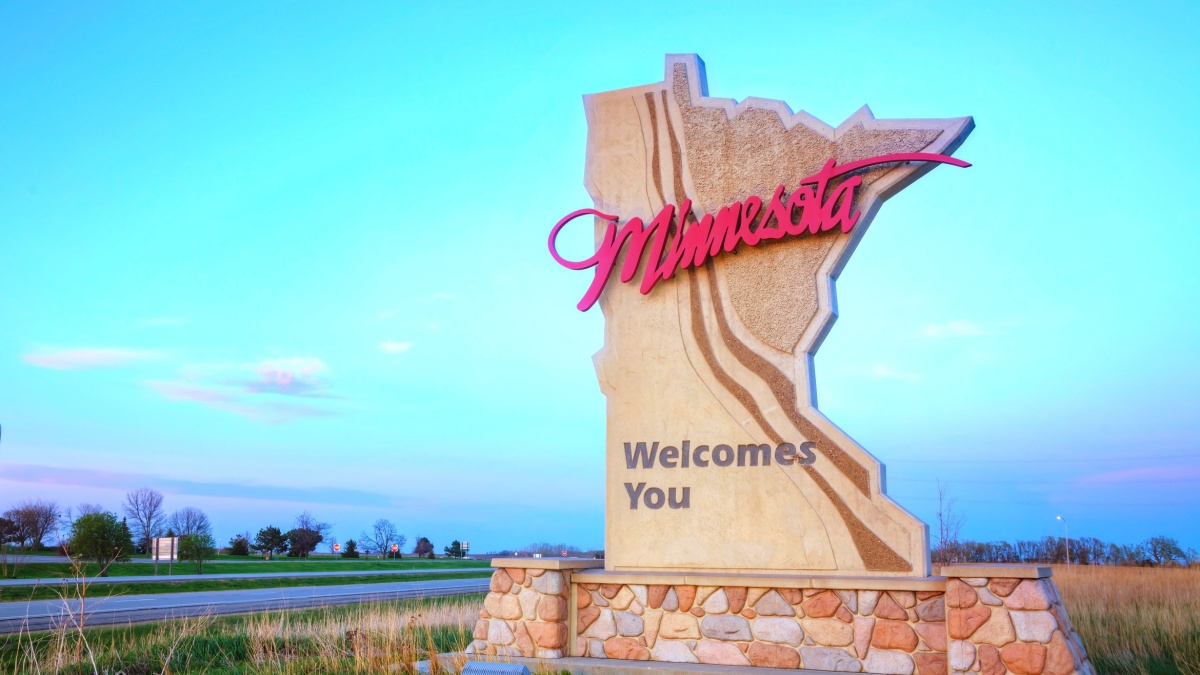
Minnesota lawmakers discussed a bill that aims to bring online sports betting to the state through federally recognized tribes on Tuesday, after they advanced a separate measure to ban sports and political prediction markets.
The state Senate Committee on Commerce and Consumer Protections heard Senate File 4139, which would authorize online sports wagering through tribal partnerships. The measure would allow Minnesota’s gaming regulator to issue up to 11 mobile sports betting operator licenses to tribes that conduct Class III casino gaming.
“This is a topic Minnesotans are very interested in,” Sen. Nick Frentz told committee members. “The bill in front of you recognizes human interest in gambling.”
How online wagering in Minnesota would work
Under SF 4139, tribes would be allowed to obtain one sports betting license, valid for 20 years. Licensing fees for tribes would be set at $21,125, while platform providers would pay a $16,500 application fee. If approved, platform providers would pay a $250,000 fee for a two-year license.
Under SF 4139, operators would be taxed at a 22% rate on their net sports betting revenue, although the tax would not be imposed on any wagers placed on Indian lands. Tax revenue from sports wagering is allocated toward different verticals and resources in Minnesota:
- 50% to supplement charitable gambling
- 15% to Minnesota’s horse racing industry
- 15% to state tribes that don’t have a platform provider partnership
- 15% to bolster tourism and bring marquee events to Minnesota
- 4% to support responsible gaming and problem gambling programs
- 1% to the state’s amateur sports integrity and participation account
The bill would also prohibit operators from sending messages to customers via push notifications, except to alert them of “fraudulent activity”, ban player prop markets for all college sports, and follow a growing trend in gaming by outlawing credit cards as a deposit method.
Frentz looks to Wisconsin for inspiration
Minnesota lawmakers also noted the recent approval of online sports wagering in Wisconsin through a tribal “hub-and-spoke” model. Last week, the state became the latest U.S. market to authorize online wagering with Gov. Tony Evers’ signing of House Bill 601, which expands Wisconsin gaming from retail wagering only at tribal casinos to online statewide betting.
“Minnesota does not have to do things other states do, but if people in other states, if legislators in other states, if governors in other states prefer a regulated market to an unregulated market, I think we ought to take that into account as we make our decisions,” added Frentz.
The lawmaker is calling for regulated gaming in Minnesota, with approximately 1,100 unlicensed gambling operators reputedly currently accepting customers across the state. Last year, Minnesota Attorney General Keith Ellison’s office sent cease-and-desist orders to 14 unlicensed operators for violating the state’s consumer protection laws.
Gambling studies required in Minnesota
SF 4139 has garnered support from the Minnesota Indian Gaming Association and the Sports Betting Alliance, which includes bet365, BetMGM, DraftKings and FanDuel.
The bill received pushback from several lawmakers and the Minnesota Family Council over gambling disorder concerns and the potential financial impact that gambling could have on Minnesota residents. Previous legislative efforts to bring online sports betting to Minnesota failed to progress over similar concerns related to the vertical.
Minnesota lawmakers did not vote on the bill on Tuesday and acknowledged that more study is needed.
SF 4139 would require a study on gambling activity prior to the implementation of sports betting, and updates would be submitted to the commissioner every three years. It also calls for a separate study to determine the impact of sports betting on gambling disorders, suicide related to the disorders and risks to youth.
Prediction markets shadow looms over conversation
In addition to a sports betting measure, Minnesota lawmakers considered a bill to ban the delivery of sports and political event contracts.
Members of the committee voted unanimously to approve Sen. John Marty’s SF 4511, which would ban prediction market contracts based on sports, politics, war, weather, and other controversial topics. That bill will now go to the Senate Committee on Finance for further consideration.
“You’ve seen news about people making bets on military actions and things like that,” Marty noted. “I believe without this legislation making it clear that this is in violation of our gambling laws, we’ll have that kind of thing here which causes huge conflicts of interest and insider trading problems.”
Frentz referenced the “explosion” of prediction markets in his presentation of his sports betting bill.
“What has changed [since last year] is the prediction markets and the explosion — their words, not mine — in the year since we’ve heard this bill in this committee last time,” he noted.