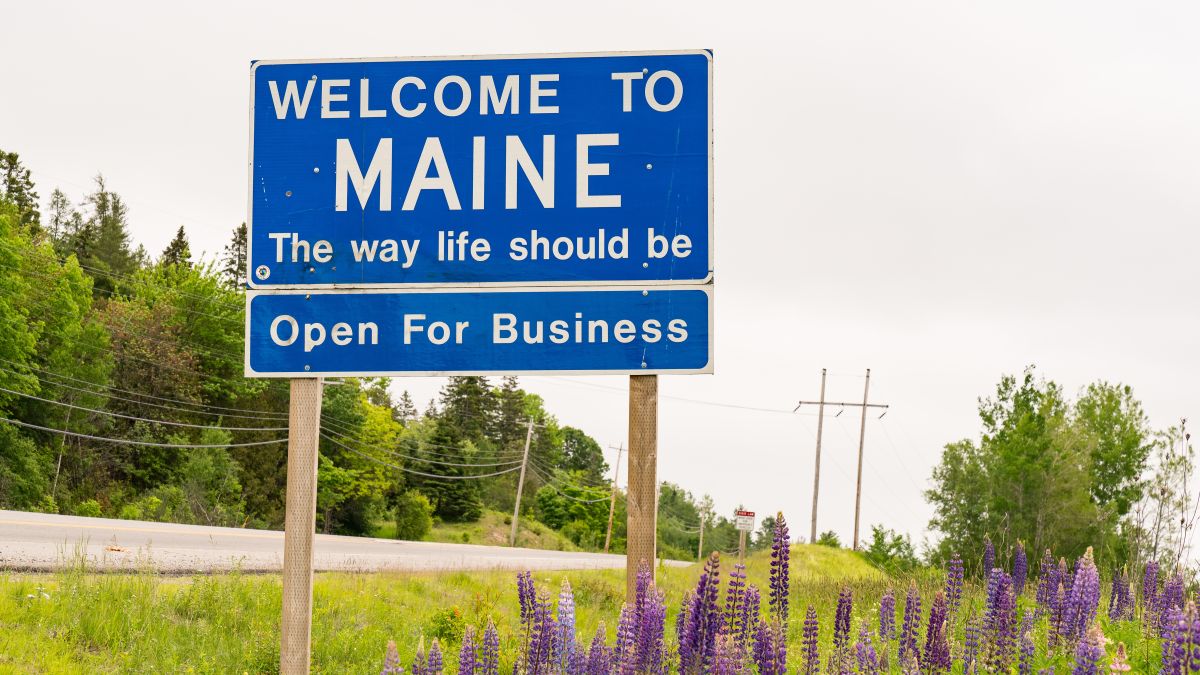
Maine Gov. Janet Mills’ approval of legalized online casino was a pleasant surprise for operators who believe the northeastern state’s tribal-exclusive iGaming market could provide a boon for their business.
Count BetRivers parent Rush Street Interactive among those.
“That’s a market that would fit really, really well for us and one where we could see a lot of success potentially partnering with a tribe,” said RSI President and Chief Financial Officer Kyle Sauers on Monday.
Expertise with tribal partnerships could mean a lot
When Maine begins doing business as the eighth legal online casino state, its model allows the state’s four federally recognized Wabanaki tribes to each partner with one commercial operator. That is the same model as its online sports betting market, wherein Caesars has partnerships with three of the tribes and DraftKings with the other.
That has led to the suggestion that those two companies are likely bets for at least two of the licenses. Other big names may throw their hats into the ring to add Maine to their online gaming footprint. For self-proclaimed online casino-focused operator RSI, there’s great appeal.
Speaking at the 28th annual ICR Conference in Orlando on Monday, Sauers said BetRivers’ success in online casino positions it well as a strong contender for licensure. RSI offers online casino in Michigan, New Jersey, Pennsylvania and West Virginia, as well as in Ontario, and it is the sole licensed operator in Delaware via a contract agreed in 2023. Sauers noted that RSI has been profitable by its fourth quarter of operation in all of those markets.
Another feather in its cap, he said, is its existing partnerships with tribes in other states.
“We’ve been very successful there in other markets,” Sauers added. “Michigan and West Virginia are examples where we’ve had really solid success with iCasino with a very differentiated product and being a great partner for tribes where we haven’t lobbied against them, like some others have in certain markets. We’d love to bring that to Maine, it would be a great opportunity.”
Sauers sweet on Maine’s attributes
While Maine has a relatively small population, new online casino markets don’t come around often. Maine’s relatively modest 18% tax rate also could prove to be particularly enticing for operators looking to expand their online casino footprint. Even Maine’s status as a summer tourism spot and a cold and snowy winter state could be a benefit, Sauers suggested.
“Delaware is pretty good example where we see a lot of traffic playing online casino in the summer months for vacationers,” he added. “Casino has some of that seasonality in travel months, but it also has seasonality around the time of year when people hunker down. It’s interesting that most states that have online casino get some snowy weather where people don’t want to be outside. That can be good for engagement.”
The RSI president emphasized that although the company has passed on several new online sports betting markets, opting out of applying for licenses in places like Missouri, it remains all-in on new online casino opportunities.
Who else could apply?
Behind implied frontrunners Caesars and DraftKings, several other operators may fancy Maine.
Major online casino operators FanDuel, BetMGM and Fanatics all testified against the bill because of the bill’s stipulations for tribal exclusivity as well as the limited number of licenses available, but each of them may still have designs on launching iCasino there now that it has become a reality.
The state’s two commercial brick-and-mortar casinos, PENN Entertainment’s Hollywood Casino and Churchill Downs‘ Oxford Casino, also opposed the bill. Churchill Downs is one of the founding members of the National Association Against iGaming (NAAiG).