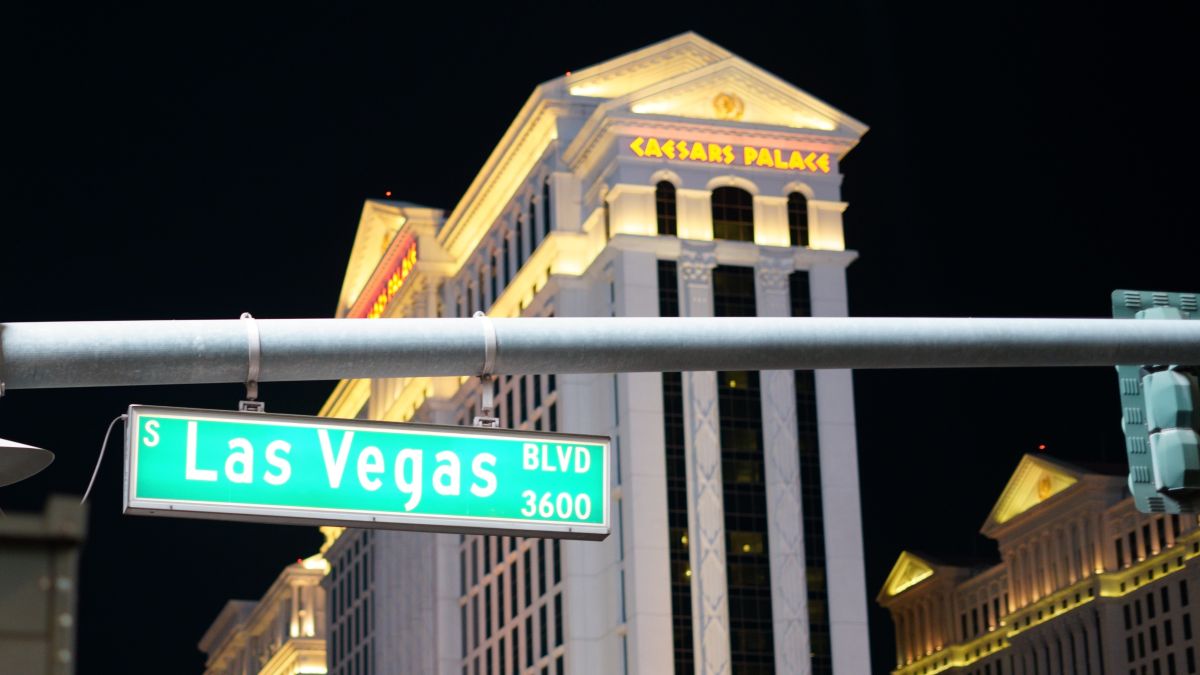
While online gaming giants FanDuel and DraftKings strike partnerships or M&A deals with a view to offering event contracts, for brick-and-mortar casinos like Caesars, the stance on prediction markets is markedly different.
Asked the inevitable questions about prediction markets during Caesars’ Q3 earnings call on Tuesday, CEO Tom Reeg gave the clearest indication yet of where his company stands: It will not defy state regulators.
“We will not put any of our licenses at risk,” Reeg told investors and analysts. “We believe what’s happening in prediction markets is sports gambling. If there’s a path that develops where we can participate in a way that doesn’t put licenses at risk, you should expect we would be prepared to go down that path, but we’re watching it the same as you are.”
“As we’ve said before, we can’t be out on the lead on this one,” added Caesars Digital President Eric Hession. “There’s still uncertainty. I’m sure you’ve seen some of the letters from the regulatory agencies.”
Stakes higher than just sports betting
That lines up with what the CEO of another Las Vegas-rooted casino giant, MGM Resorts International, has maintained in public. Bill Hornbuckle has addressed prediction markets more readily than his Caesars counterpart.
“MGM Resorts’ view is it invites the federal government into a space it’s never been, and it’s not a place we’d like to see this marketplace go, full stop,” he said in early September. “Officially, it is not something we endorse.”
Hornbuckle then told attendees at the Global Gaming Expo that embracing prediction markets and sports event contracts under the oversight of the Commodity Futures Trading Commission would take sports wagering above state-by-state regulation, which he described as “something this industry has historically and categorically defended against.”
For the historic land-based casino leaders, who have a deep footprint in sports betting but casino gambling at their core, the stakes go far beyond drawing lines on the definition and regulation of sports wagering.
“It seems like the path this is going to go on will ultimately be decided at the Supreme Court level,” Reeg ventured on Tuesday. “I’d expect there’s going to be rulings that go in both directions along the way. Ultimately, if something gets appealed up to the Supreme Court, there is a state rights versus federal rights question here that’s larger than just sports betting. I would expect we’re going to be in this cloudy period for quite some time.”
Nevada’s stance holds weight for B&Ms
Caesars and MGM (as well as the latter’s BetMGM joint venture) have referenced the fact that several states have publicly espoused negative opinions on gaming licensees stepping into the world of sports contracts. Ohio, Arizona, Michigan, Arkansas and most recently Illinois have all turned up the heat on prediction markets in recent months.
“When we have gaming regulators telling us ‘don’t do that,’ we have no choice but to take a position,” Hornbuckle acknowledged at G2E.
For Reeg and Hornbuckle, though, the most significant noises may have come out of Nevada, given their respective companies’ Vegas roots.
Nevada Gaming Control Board (NGCB) Chair Mike Dreitzer sent a memo to licensees in October. The title pretty much said it all: “Sports Event Contracts Are Wagers.” Dreitzer warned that companies that offer event contracts without the board’s express approval could affect their reputation and licensure in the Silver State, even if the trading activity happens elsewhere.
While FanDuel and DraftKings only have a peripheral presence in Nevada with neither offering online sports betting there, for Caesars and MGM, so much still depends on what happens in Vegas. Early prediction market entry is a risk they feel they can ill afford to take.