
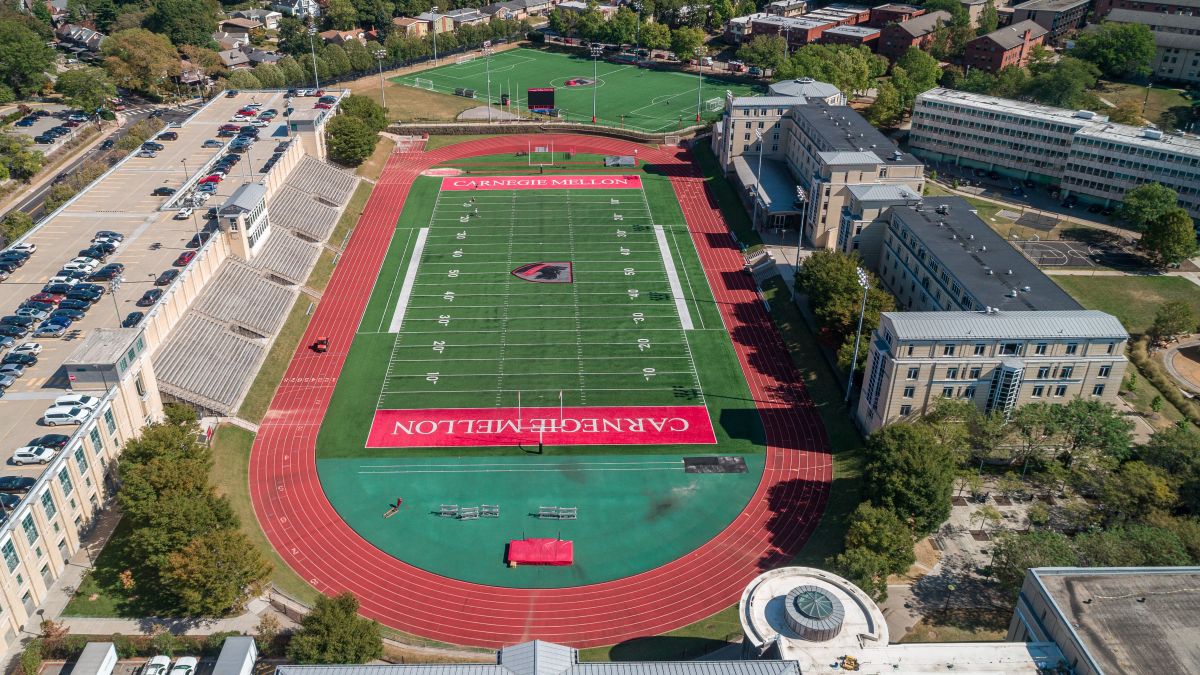
In a world where the ability to gamble on sports is ubiquitous at the touch of a button, how do you educate college students on the world at their fingertips? If you’re Carnegie Mellon University (CMU) professor Ron Yurko, you build a fake sportsbook.
As assistant teaching professor in CMU’s Department of Statistics & Data Science and the director of the Carnegie Mellon Sports Analytics Center (CMSAC), Yurko and CMU neuroscience professor Dr. Linda Moya are co-leading a new first-year seminar titled “Sports Betting, Highs and Lows; Your Brain on Stats.”
A key aim of the course, Yurko told SBC Americas, is to apply statistics-based learning to illustrate the practicalities, probabilities and pitfalls of betting among one of the most potentially vulnerable demographics: college-aged students, particularly young men.
“It’s so prevalent on college campuses,” Yurko noted. “It’s so easy now for a student to download a sportsbook app and immediately start losing money without spending time thinking about what they’re doing. So, what can we do to make sure they understand what they’re getting into?”
Has betting been destigmatized to a fault?
The summary of the seminar cites an NCAA study that found that by 2023, 67% of all college students were betting on sports games.
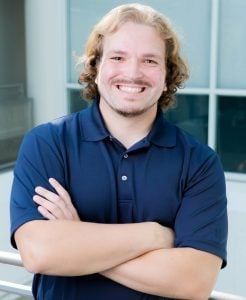
Yurko said that there was a certain stigma around sports betting when he was a freshman, back when placing wagers on sports meant having a bookie or making phone calls. These days, there’s an argument that many young adults don’t even see gamified sports betting as gambling.
“Just another form of digital entertainment, just another app,” Yurko remarked.
Yurko and Moya’s course will include a primer on some of the fundamentals, from traditional types of bets like point spreads and moneylines to the rise in popularity and prolificacy of fast-paced in-game bets. There will also be meaningful discussions of how betting intersects with other real-world issues, such as sporting integrity and personal finance.
“They’re college students,” Yurko acknowledged. “This is the first time they’re potentially out on their own, not living with their parents, and they can download these apps and potentially lose a lot of money. And they have this over-confidence that they can gain an edge.”
Man, what are the chances?
Given that Yurko is a self-confessed statistics nerd, data will underpin much of the seminar. He’ll look at how odds work, how to interpret them as probabilities, and the difficulties in estimating these probabilities reliably, particularly when combining multiple events into the ever-popular parlay.
“We want to make sure they’re aware of how hard it is to be profitable at this,” added Yurko. “What’s wild to me is that I teach in the statistics department and students learn about probability theory, but they don’t make the connection when they’re gambling.
“Do they understand how hard it is to be successful at this? Often, people just decide to do a same-game parlay and don’t think at all from a statistics side about how these events are correlated with one another, and how rare it is for all of them to happen together.”
Real-world lessons and real-world limits
Anyone who’s ever tried to teach a teenager something will likely tell you that lecturing only goes so far. Hands-on learning goes a long way.
One of the elements Yurko is excited about is his plan to construct a faux sportsbook through which he will let students “wager” on a variety of events, all the while illustrating how sportsbooks’ in-house odds translate to real-world probabilities. The goal is not just to have fun, but to illustrate the often stark consequences in a safe and consequence-free environment.
And Yurko intends to be hard on his students where necessary.
“I’m gonna have some fun maintaining it and turning it into a competition for the students over the course of the semester. If I think someone’s very good at it, I’ll just limit the amount of fake money they could bet, like a real sportsbook might. If someone’s losing, I’ll say, ‘you know what, you get to bet more.’ That’s the lesson for them on how this actually operates.’
Time for educators to step up
The world of online and mobile gambling continues to develop at a rapid pace. Just think how much this industry has changed in four years, the typical timeline for an American bachelor’s degree.
Ultimately, Yurko says it is incumbent upon educators to step up and take the initiative to educate students on the topic. He hopes to see similar courses pop up across the country.
The Carnegie Mellon professors are committed to running the seminar three years in a row, meaning there will be chances to iterate upon the first draft and also to keep up with industry developments. Who knows where things will stand by the third year. For now, the first course will run in spring 2026. It’s open only to 35 students, something Yurko said is out of a desire to keep it interactive. They’re expecting it to be very popular, especially with incoming statistics students.
Down the road, they’re open to extending it more widely. The CMSAC has run initiatives and workshops on sports analytics in various forms before; why not betting?
“I can definitely see opening it up,” he concluded. “And not just to additional students on campus but even the broader public. One, it’s a nice outlet for teaching lessons in stats and data science. But it’s also just really important for society.”