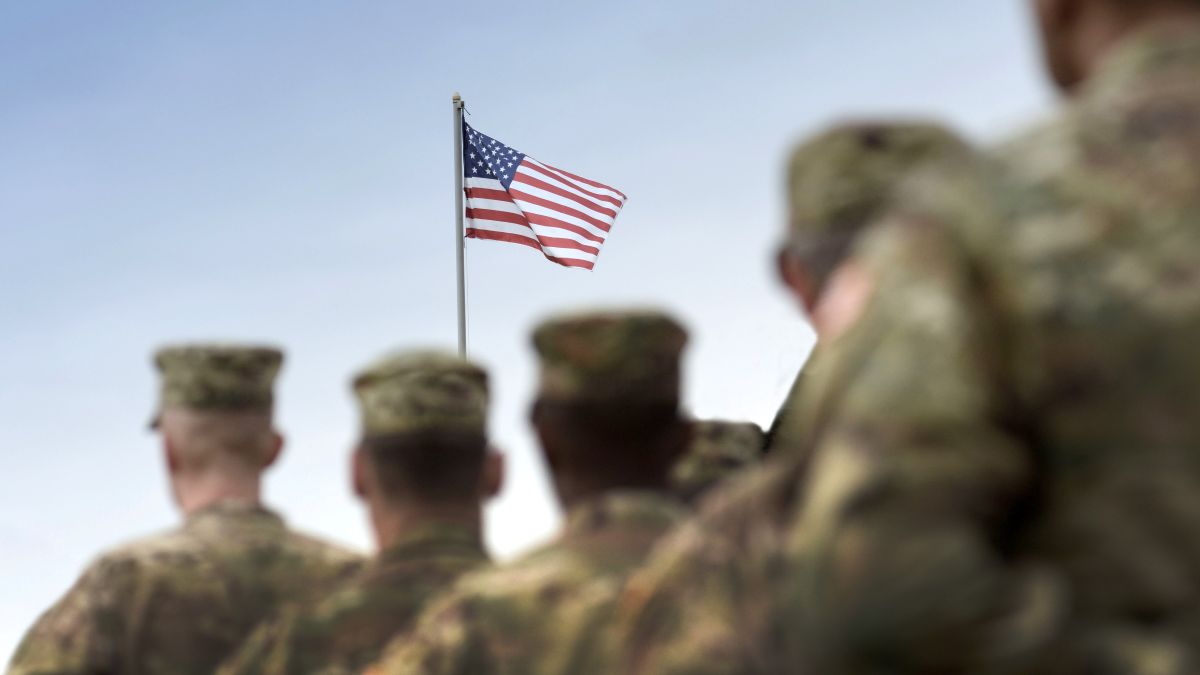
A group of U.S. Senators have advanced a proposal that would provide the first federal funding to support research into gambling addictions within the military.
The Senate Appropriations Committee has included a provision within the FY26 Defense Appropriations Bill that would add gambling addiction to the Department of Defense’s Peer-Reviewed Medical Research Program (PRMRP), alongside a range of other health issues and disorders that are already eligible within the program.
The change would provide financial backing from the federal government for researchers and military clinicians to examine the extent to which armed forces personnel face gambling problems, and develop viable interventions aimed at support and prevention.
Appropriations approved the measure on Aug. 4 and is set to go before the full chamber for consideration.
Operators, NCPG back Senate measure
The measure was led by Sen. Ben Ray Luján and is supported by the National Council on Problem Gambling (NCPG) alogn with more than two-dozen of its state affiliates.
“Service members and veterans facing gambling addiction deserve the same level of support and understanding we’ve worked to build around PTSD, depression and other behavioral health challenges,” Luján told SBC Americas. “This provision is a critical step toward recognizing the realities our military community faces and ensuring the federal government invests in the basic, foundational research needed to support recovery.”
Major gaming operators like FanDuel and BetMGM also officially supported the change.
“Tackling problem gambling addiction requires a coalition, from public health experts to industry leaders willing to share responsibility,” the NCPG’s Director of Government Relations and League Partnerships Cole Wogoman told SBC Americas. “That’s what we saw here. NCPG is proud that this measure was supported by a diverse group of Senators and across sectors. It sends a powerful signal that we can find common ground when it comes to protecting the health and well-being of those who serve.”
The report recommends that the total amount of federal funding to be used for researching all topics listed under the PRMRP should be increased by $20 million for 2026 to $370 million. The NCPG estimates that the new measure will generate between $5 million and $7 million for research into military gambling addiction issues.
NCPG says the time is now
Wogoman told SBC Americas that it’s past time that military gambling risks became more of a focus for federal research.
The NCPG’s research last year found that almost 20 million American adults experienced at least one problematic gambling behavior “many times” in the past year. Military servicemembers are twice as likely as civilians to experience gambling problems, says the council, and nearly 40% of veterans who seek treatment for gambling addiction report that they have attempted suicide.
“For too long, problem gambling among servicemembers and veterans has been overlooked despite clear evidence that they’re at higher risk than civilians and often face more severe consequences,” Wogoman said. “Federal research funding is a key missing component in effectively addressing the issue. Without it, we’re asking local VA clinicians to treat a problem they don’t fully understand and give researchers no tools to develop solutions. This provision is a step towards closing those gaps.
“Gambling has long been embedded in military culture, from informal wagers to slot machines on overseas bases. Yet despite clear evidence that servicemembers and veterans face elevated risks for gambling problems, federal investment in the public health response has fallen short. The existing data is clear: problem gambling is real, it’s growing among young adults and veterans alike, and it’s preventable. This is the moment for the Senate to act. Further delay risks increased harm to public health and national security.
Attempts to remove slots from military bases have failed
Against this backdrop, debate continues over whether slot machines should be maintained on overseas military bases.
Gambling devices were banned on domestic U.S. military bases in the 1950s, but Wired reported this week that the Army Recreation Machine Program (ARMP) currently operates 1,889 slot machines in 79 military locations abroad.
In 2023, federal Rep. Paul Tonko, a sponsor of the SAFE Bet Act, proposed banning those slots on bases, but the measure never got off the ground.
So, too, did a 2018 effort to mandate that the Department of Defense establish treatment protocols for gambling disorders within the armed services. Seven years later, the department may now finally be equipped to take a closer look at military gambling issues.