
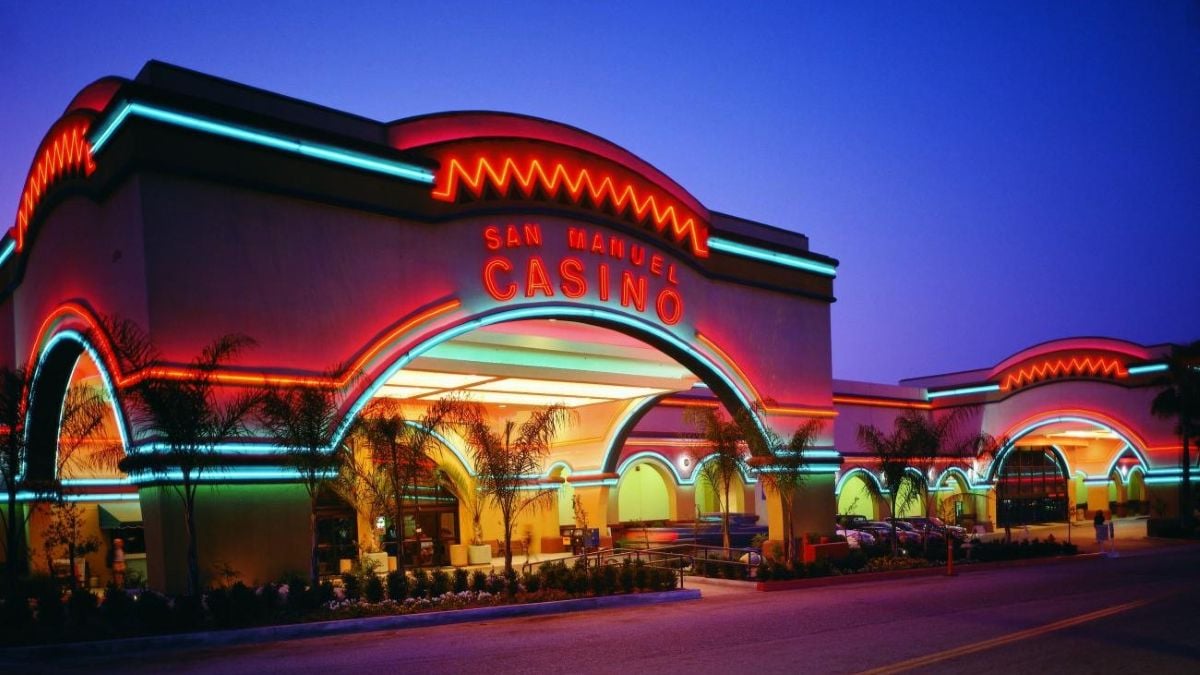
The National Indian Gaming Commission (NIGC) reported on July 31 that tribal casinos made just short of $44 billion in gross gaming revenues in the 2024 fiscal year, a new all-time annual record.
The NIGC reported that tribal gaming entities reaped $43.9 billion in revenue from slot machines, table games, sports betting and iGaming. That was $2 billion more than FY 2023, an increase of 4.6%.
For comparison, the American Gaming Association (AGA) reported that all commercial physical and digital casino gaming and sports betting produced $72 billion in 2024.
The NIGC’s GGR figure, which it defines as the amount wagered minus player winnings, is calculated from independently audited financial statements from 532 gaming operations owned by 243 federally recognized tribes across 29 states.
“This year’s GGR reflects not only the resilience of the tribal gaming industry, but also the dedication of tribal leadership in preserving and growing this important economic driver for their communities,” said NIGC Acting Chairwoman Sharon Avery. “The continued success of Indian gaming is a testament to the strong tribal governance and the sound regulation that protects the integrity of the industry.”
Small group of tribes make up bulk of revenue
Avery noted that all eight of NIGC’s administrative regions saw positive growth in the year.
Approximately 9% of tribal gaming operations accounted for more than half (55%) of the total tribal GGR. All of the operations in that cohort posted more than $250 million of GGR in 2024.
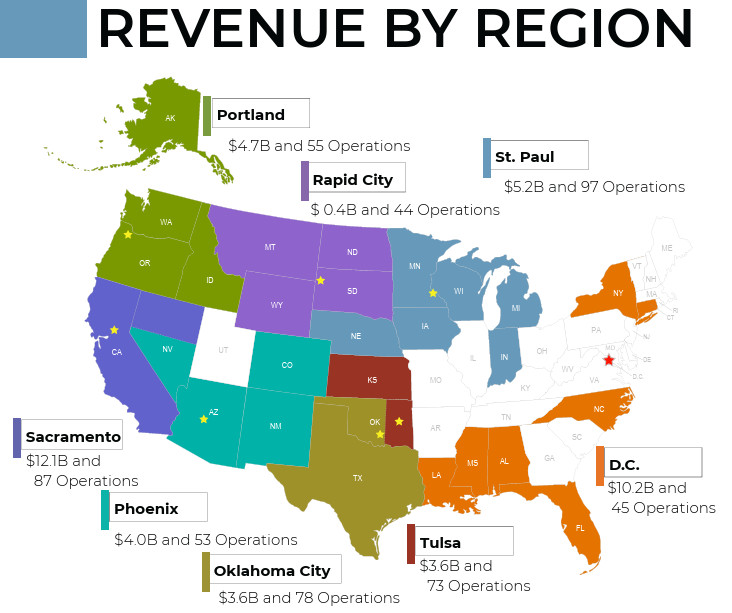
More than one-quarter of all tribal gaming GGR came from California and northern Nevada, as the Sacramento region led the way with $12.1 billion, per the full NIGC report. It always does, given factors such as California’s population and tribal exclusivity over gaming.
The D.C. region, which includes a range of states and the Seminole monopoly in Florida, also eclipsed $10 billion in revenue. That area and the Oklahoma City region each posted double-digit increases over FY 2023 at 11.2% and 12.7%, respectively.
At the other end of the scale, more than half of all tribal gaming facilities reported less than $25 million in revenues and together accounted for around 5% of the total GGR.
NIGC Vice Chair Jeannie Hovland said the overall numbers demonstrate the positive impacts and the crucial role of tribal gaming in supporting tribal sovereignty, job growth, infrastructure, education and social, health and welfare programs in tribal communities.
Challenges persist for tribal gaming
“The positive growth in the FY 2024 GGR demonstrates the adaptability and innovation that define Indian gaming,” added Avery. “With continued strong tribal governance and collaborative regulation, the industry is well-positioned to meet future challenges and opportunities.”
There are present challenges, too. Tribes and tribal organizations have been vocal and high-profile opponents of sweepstakes casinos and sportsbooks and prediction markets, among other platforms, offering their products in tribal territory this year.
In two high-profile examples on the West Coast, the California Nations Indian Gaming Association (CNIGA) threw its weight behind a bill in the state to explicitly outlaw all online gambling including sweeps, before a trio of California tribes filed a lawsuit against both Kalshi and Robinhood in a bid to prevent the derivatives trading companies from offering event contracts on tribal lands.